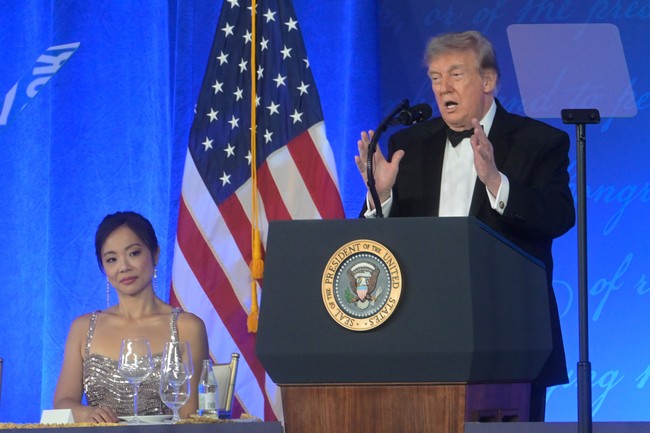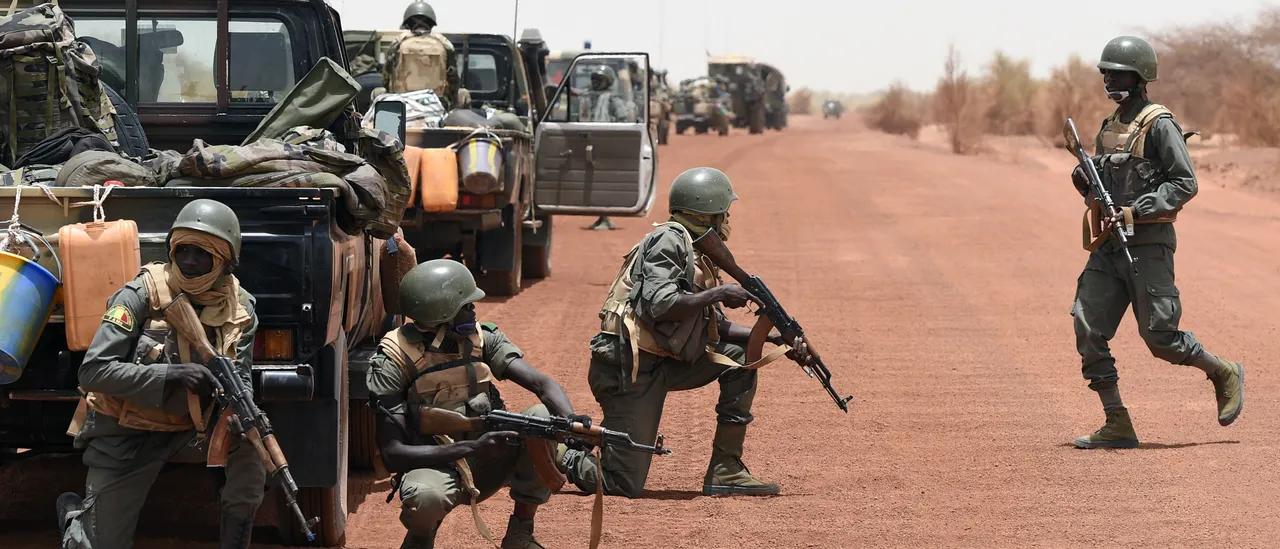
President Trump is reportedly weighing direct military action against radical jihadist forces in Mali, a decisive move that could reshape the battle against terrorism in Africa while simultaneously delivering a potent blow to Russia's struggling influence on the continent.
Regional foreign policy experts suggest reports of the Trump administration considering strikes against terrorists in Mali are credible. While the administration has historically emphasized protecting persecuted Christians in neighboring Nigeria, any intervention in Mali would also be firmly framed by U.S. officials as protecting American national security interests by dismantling dangerous terrorist strongholds.

The prospect of U.S. military action, initially reported by The Washington Post citing current and former U.S. officials, appears to have caught the Malian government off guard. Malian Foreign Minister Abdoulaye Diop stated that his government has "no confirmation and no official statement from the United States" on the matter, adding, "Mali is not sitting idly by waiting for others to come and solve our problems."
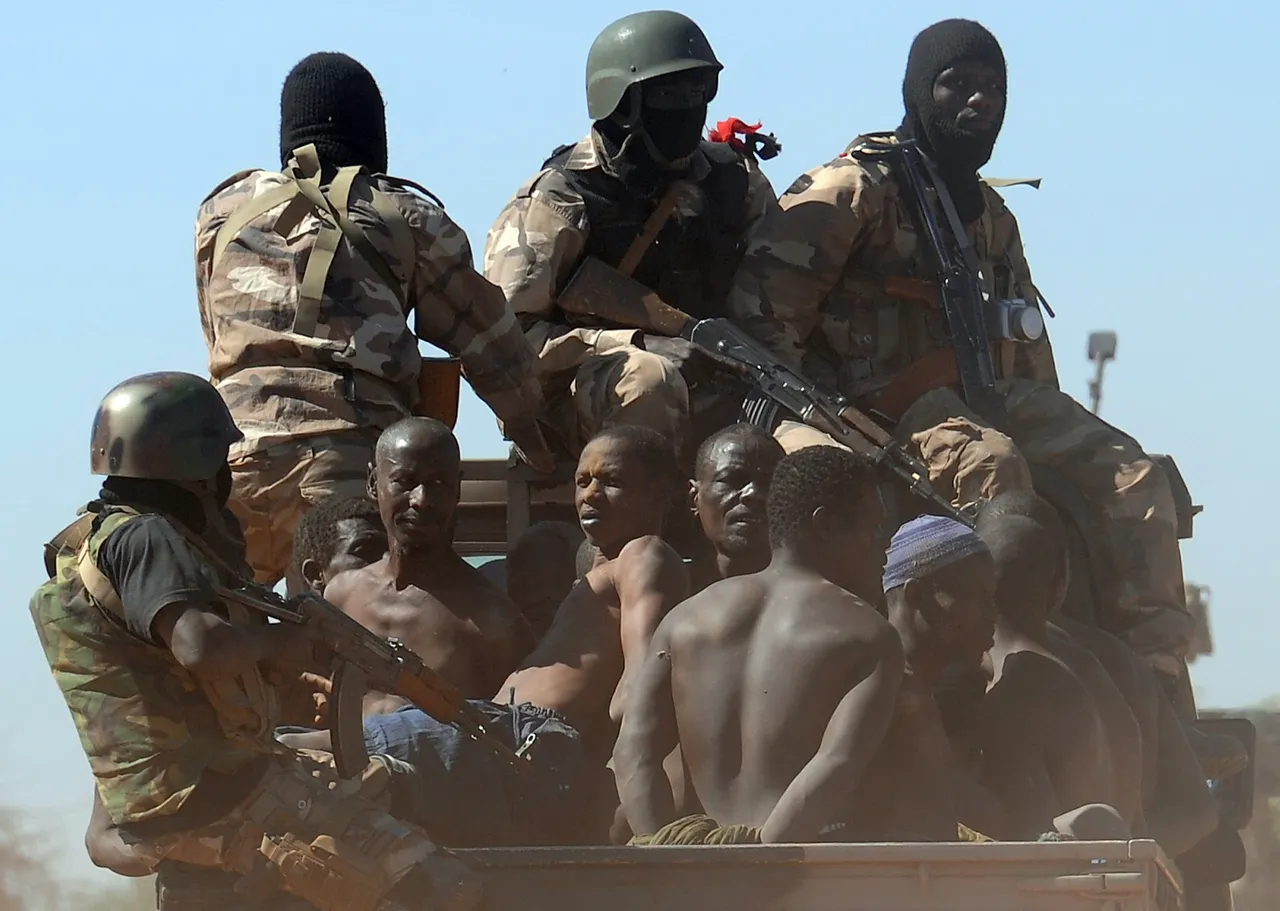
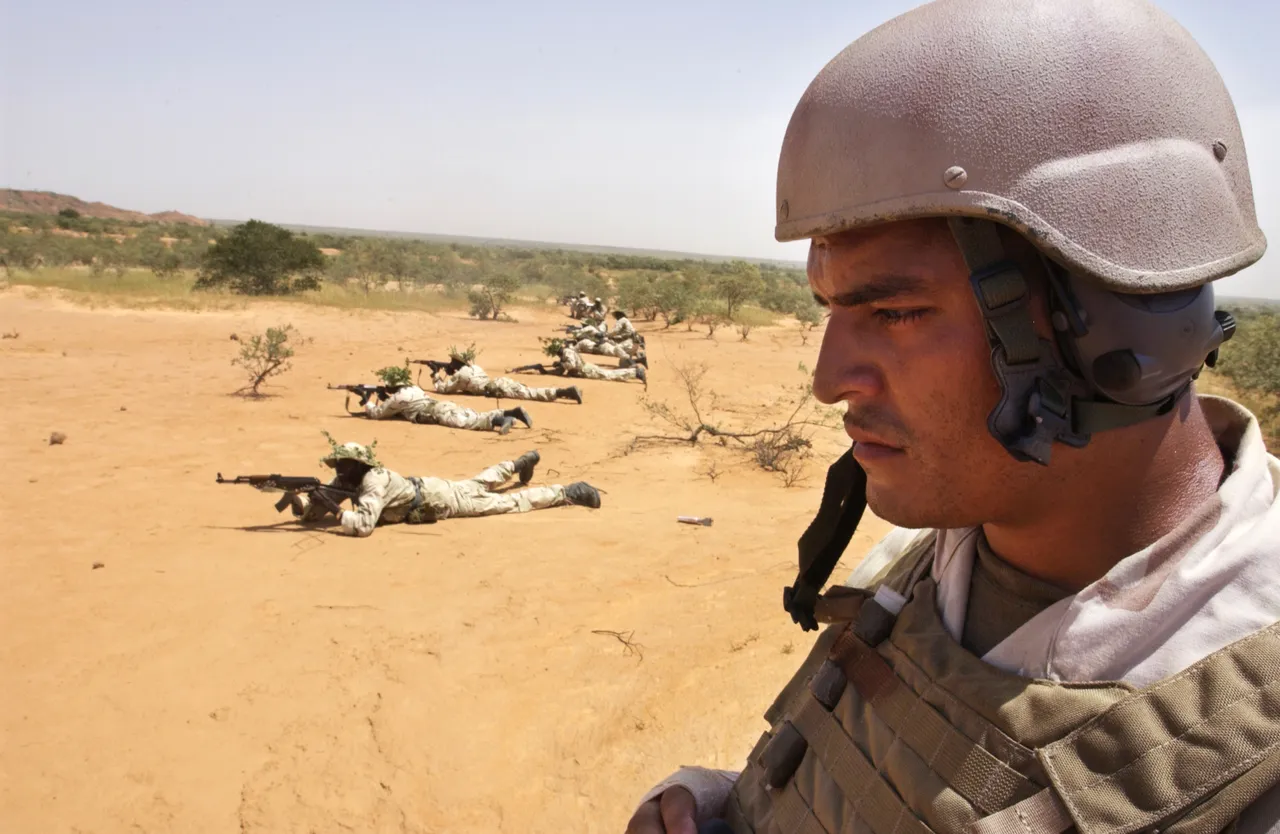
Yet, despite such assurances, Mali's military government is demonstrably losing its fight against Jama’at Nusrat al-Islam wal-Muslimin (JNIM), a U.S.-designated Foreign Terrorist Organization. This jihadist group continues to gain ground, seeking to impose its brutal vision of Sharia law.
While the White House has neither confirmed nor denied that direct attacks are under consideration, an administration official underscored the gravity, calling terrorism in the Sahel a "multi-national problem." The official urged "regional partners and NATO allies to support the Alliance of Sahel States in their war against JNIM and ISIS," further advocating for the purchase of U.S. equipment and services to bolster these efforts.
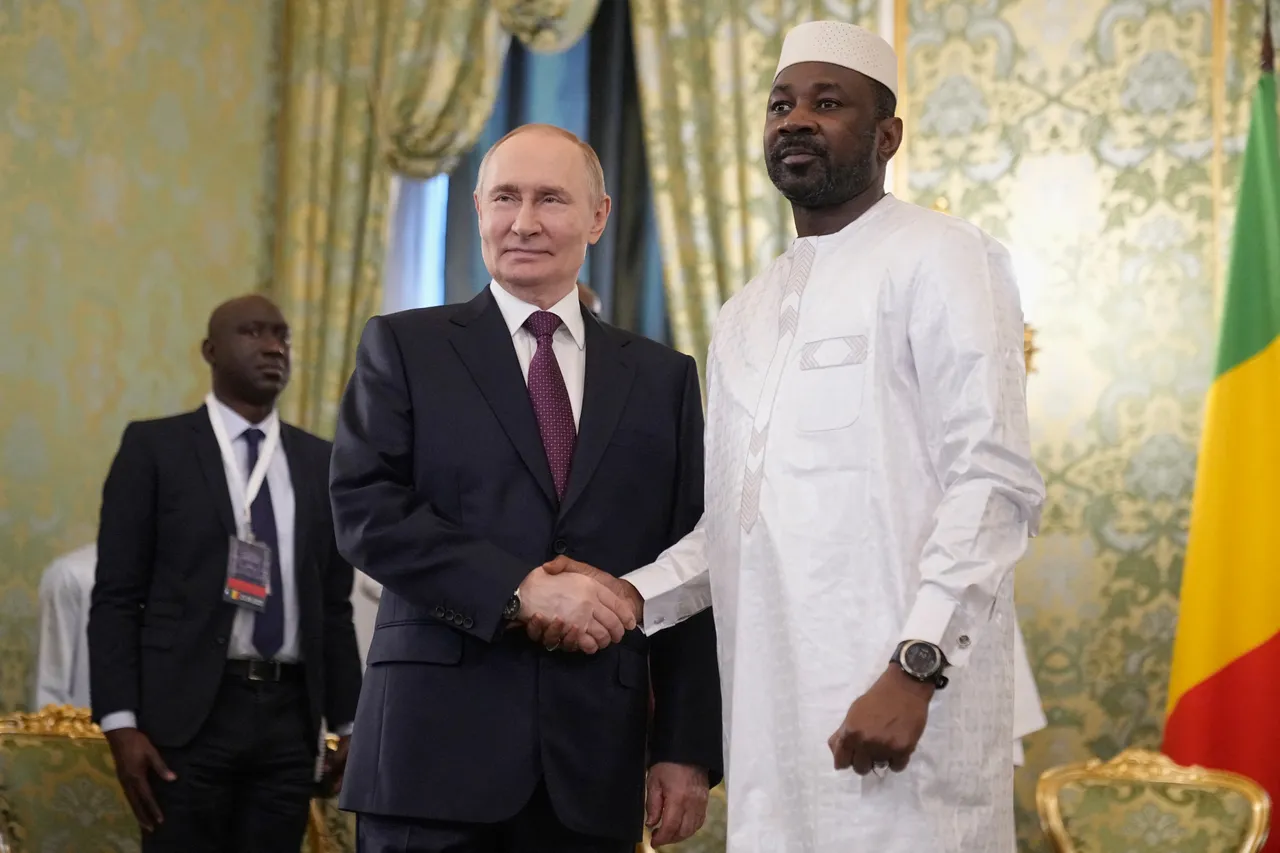
Crucially, the administration official did not mince words regarding Russia's role, stating that the U.S. wishes the Alliance of Sahel States success but pointed out that its reliance on Russia's "ineffective counterterrorism capabilities" has directly contributed to the region's "deteriorating security situation." The official expressed hope that "other African nations take note of Russia's terrible performance in combating terrorism."
Scott Morgan, a D.C.-based security consultant with Red Eagle Enterprises, affirmed to the Daily Caller that a U.S. strike remains plausible. He suggested that while Russia's partnership with Mali complicates matters, the opportunity to embarrass the Kremlin could be a significant factor drawing the U.S. into the conflict. Morgan noted that a successful U.S. counterterrorism operation would give Russia a "black eye" and "screw over Putin," emphasizing that money generated from the African conflict has helped sustain Russia's war in Ukraine.
Ebenezer Obadare, a senior fellow at the Council on Foreign Relations and a leading expert on the region, expressed greater confidence that U.S. involvement is ultimately inevitable. "It's always been clear to people like myself who study the Sahel that, at some point, something has to be done," Obadare told the Caller. He believes Russia's incompetence, combined with any American inaction, would eventually force the U.S. to intervene as JNIM destabilizes the region and directly threatens American interests across Africa.
Such an intervention, Obadare warned, cannot be a short-term operation but would require a long-term commitment and robust partnership between the U.S. and Mali. This echoes the counterterrorism agreement with Nigeria, designed to prevent jihadi groups from establishing bases capable of attacking the U.S. or its interests, all while seeking to "protect Christians, who have been slaughtered at the hands of these Jihadi groups."
The distinction between Nigeria and Mali is clear, however. Mali's current military government seized power through a series of coups, a stark contrast to Nigeria's struggling but civilian leadership. While a U.S. partnership could risk legitimizing Mali's junta, Obadare suggested a carefully negotiated collaboration could both halt the jihadi advance and create conditions for the military to eventually relinquish power.
Despite experts indicating a Mali intervention would primarily be framed around national security, the Trump administration's unwavering commitment to religious freedom remains a powerful undercurrent. A State Department spokesperson reaffirmed this priority: "The Trump Administration has made it clear that protecting religious freedom for all individuals, including Christians – the most persecuted religious group worldwide – is a priority."
Open Doors, a respected Christian advocacy group, ranks Nigeria as the seventh most dangerous country for Christians globally, a figure President Trump has previously highlighted. Mali, at number 15, is not far behind, facing its own brutal wave of persecution.
A legal expert working with Open Doors in sub-Saharan Africa emphasized that reports of possible U.S. action should draw crucial international attention to the "often-overlooked crisis facing Christians and moderate Muslims across Mali and the broader Sahel." He described the horrifying reality: "Christian communities have faced attacks on churches, kidnappings of clergy, displacement, and pressure to abandon their faith, while millions across the region live under the constant threat of violence." He added that "lasting peace will require sustained regional cooperation, accountability, and the protection of every community vulnerable to violence."
Ultimately, as Obadare powerfully concluded, the stakes extend far beyond any single group. "This is not just about defending Christians, which we should do," he stated. "It's about protecting our long-term interests in making sure the bad guys don't become squatters in a region of West Africa, making themselves comfortable, and then ultimately bringing problems to us here in the United States."
"West Africa is the epicenter of the Islamist insurgency in the entire world," Obadare declared. "You don't need extra justification for that." The Trump administration's potential action in Mali signals a clear commitment to confront this global threat head-on, securing American interests and standing firm for freedom and faith against the forces of radical extremism and foreign adversaries.