The guns have fallen silent—for now—but the message from President Donald Trump has not changed: diplomacy remains the preferred path, yet America is fully prepared to act if Iran chooses confrontation over peace.
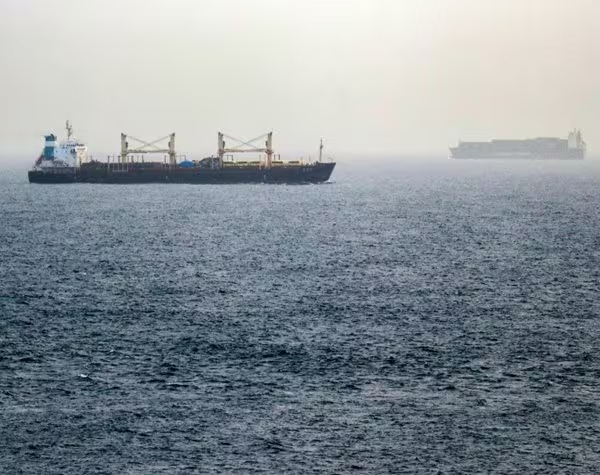
The United States paused military strikes against Iran for a second consecutive day on Sunday, while Tehran also indicated it had halted attacks, creating a temporary opening for renewed negotiations on an interim ceasefire. The pause follows nearly two weeks of escalating hostilities that began after Iran targeted ships attempting to transit the strategically vital Strait of Hormuz, one of the world's most important energy corridors.
The Pentagon did not immediately explain the decision to halt operations, leaving analysts to weigh several possibilities. One report has fueled speculation that military planners may be reassessing available resources before deciding on the next phase of the campaign.
According to The New York Times, citing two people briefed on the matter, plans for a broader escalation were put on hold in part because of concerns over shrinking U.S. munitions stockpiles. The report has not been independently confirmed by the Pentagon, and defense officials had not publicly addressed the claim as of Sunday.
The White House, however, made one point unmistakably clear: the temporary pause should not be mistaken for weakness.
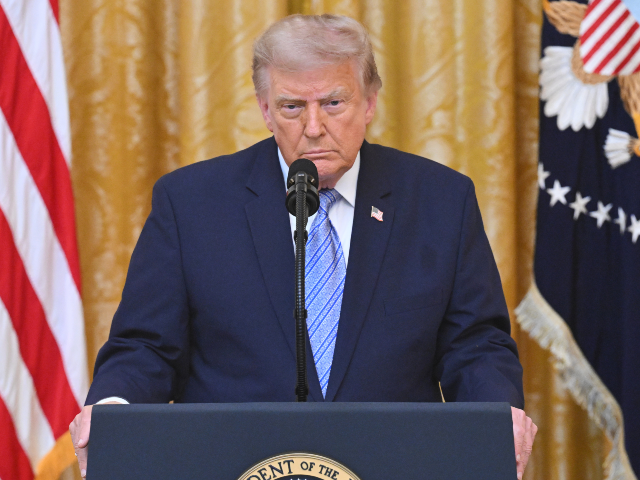
“President (Donald) Trump has always been consistent in saying he prefers a diplomatic solution, but he continues to retain all options if Iran continues terrorist activities in the Strait of Hormuz or against allies," White House Communications Director Steven Cheung said.
Cheung delivered an equally direct warning to Tehran.“It would be wise for Iran to work toward a negotiated deal. Otherwise, they know what will happen.”
That statement reflects a hallmark of the Trump administration's America First foreign policy—seeking peace through strength rather than endless conflict. While the president has repeatedly emphasized his willingness to negotiate, he has also demonstrated that attacks on American interests, allies, or critical global shipping lanes will not go unanswered.
The Strait of Hormuz remains one of the world's most strategically significant waterways, and any disruption there carries consequences far beyond the Middle East, affecting global energy markets, international commerce, and U.S. national security interests.
Whether the current lull develops into meaningful negotiations or merely precedes another round of military action remains uncertain. What is clear is that the administration is keeping every option on the table while signaling that Iran—not Washington—holds the key to avoiding another dangerous escalation.
For the Trump administration, the objective remains straightforward: protect American interests, safeguard freedom of navigation, deter Iranian aggression, and pursue peace from a position of unmistakable strength.