The clock is ticking in the Strait of Hormuz, and the Trump administration is signaling that diplomacy still has a narrow window to succeed before the pressure on Iran intensifies.
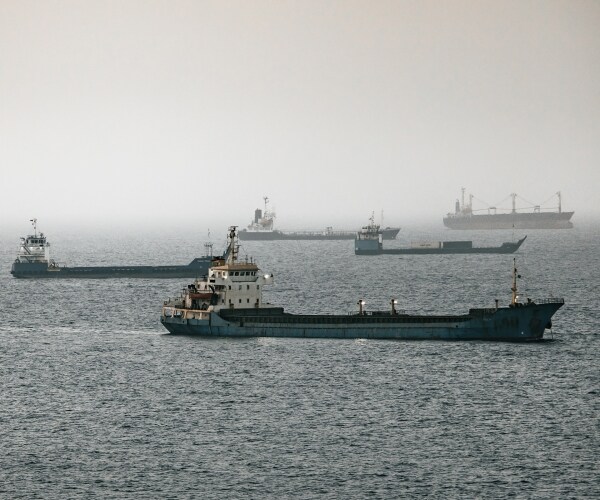
Treasury Secretary Scott Bessent said Tuesday that Washington hoped an agreement to reopen the strategic waterway could be reached “today or tomorrow,” hours after another cargo ship was struck in the vital passage.
“There is a chance we may have a deal” in the coming hours, Bessent told CNBC.
That optimism comes directly from President Donald Trump, who said Monday that the strait could reopen as soon as Tuesday while making clear that Iran’s options were running out.
Trump warned that Tehran was facing its “last chance before decapitation,” even as he continued to leave the door open for diplomacy.
That combination—maximum pressure backed by a willingness to negotiate—is becoming the defining feature of Trump’s approach.
The Strait of Hormuz is not just another piece of international real estate. It is one of the world’s most important energy corridors, and disruption there can send consequences through global markets and ultimately reach American consumers.
The latest strike on a cargo vessel only underscored the urgency.
For the Trump administration, diplomacy is preferable if it produces a real result. But diplomacy without leverage is little more than wishful thinking. The administration’s message is that Iran has a choice: help restore stability or face consequences for continuing to threaten a critical international waterway.
That is the America First calculation.
Washington does not need another endless foreign conflict. It does need to make clear that hostile powers cannot hold vital international trade routes hostage and expect the United States to simply look away.
Bessent’s expectation of a deal within hours suggests the diplomatic channel remains open.
But Trump has made the stakes unmistakable.
The United States is offering Iran a way out. The question now is whether Tehran is smart enough to take it.