President Donald Trump made headlines Thursday after formally withdrawing Canada’s invitation to join his newly created Board of Peace—a group he described, without hesitation, as “the most prestigious Board of Leaders ever assembled.” And no, that description was not up for debate.
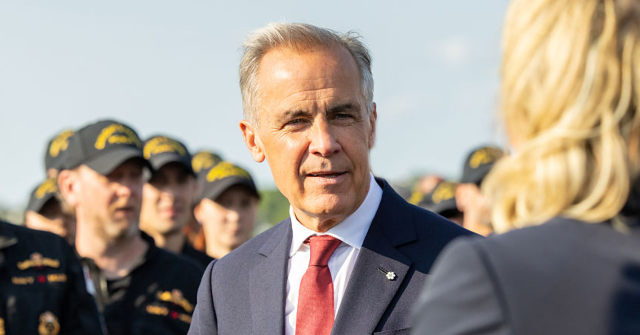
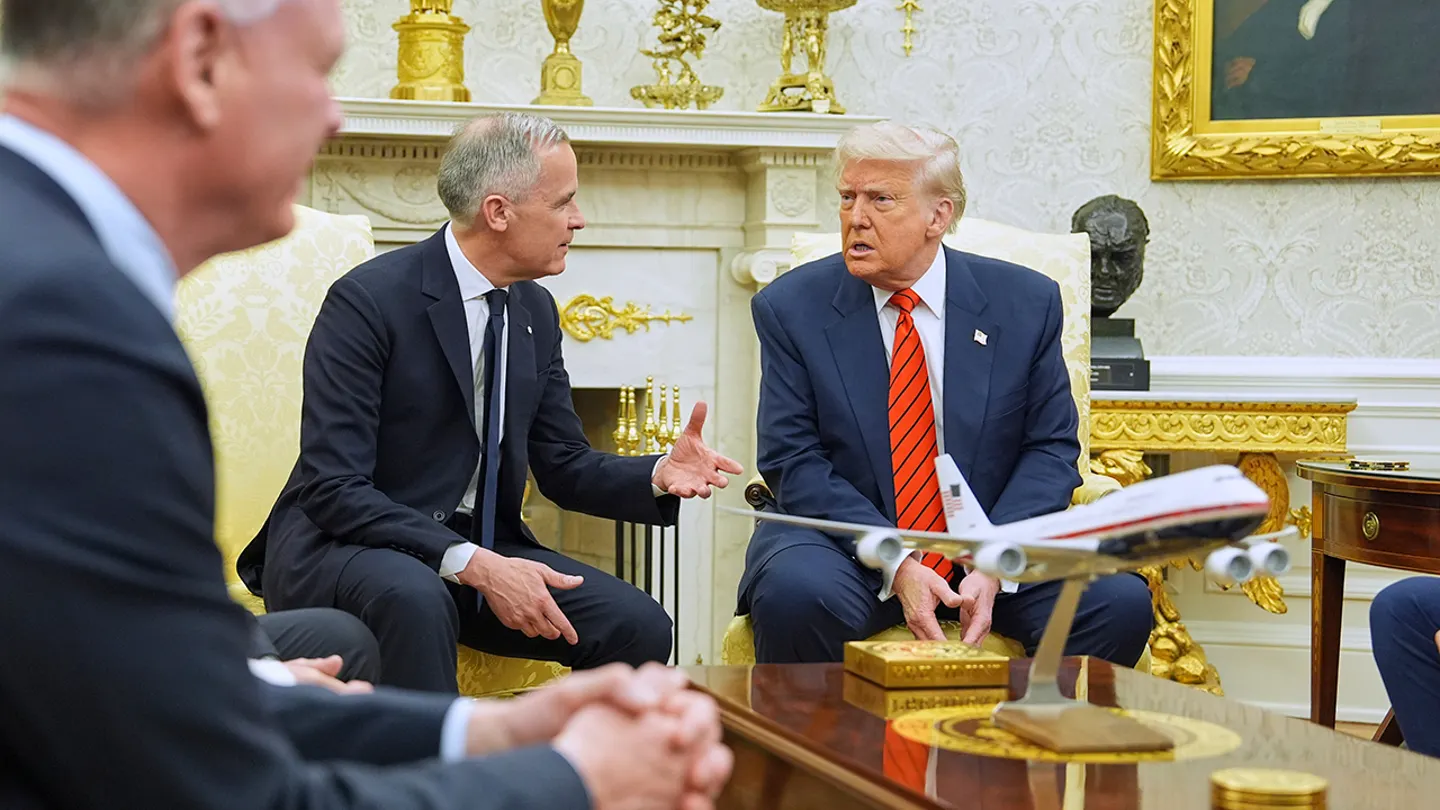
In a statement posted on Truth Social, Trump informed Canadian Prime Minister Mark Carney that Canada would no longer be welcome on the board. The message was direct, unmistakable, and very Trump. The invitation, he said, was officially rescinded, effective immediately. Consider it a diplomatic RSVP correction.
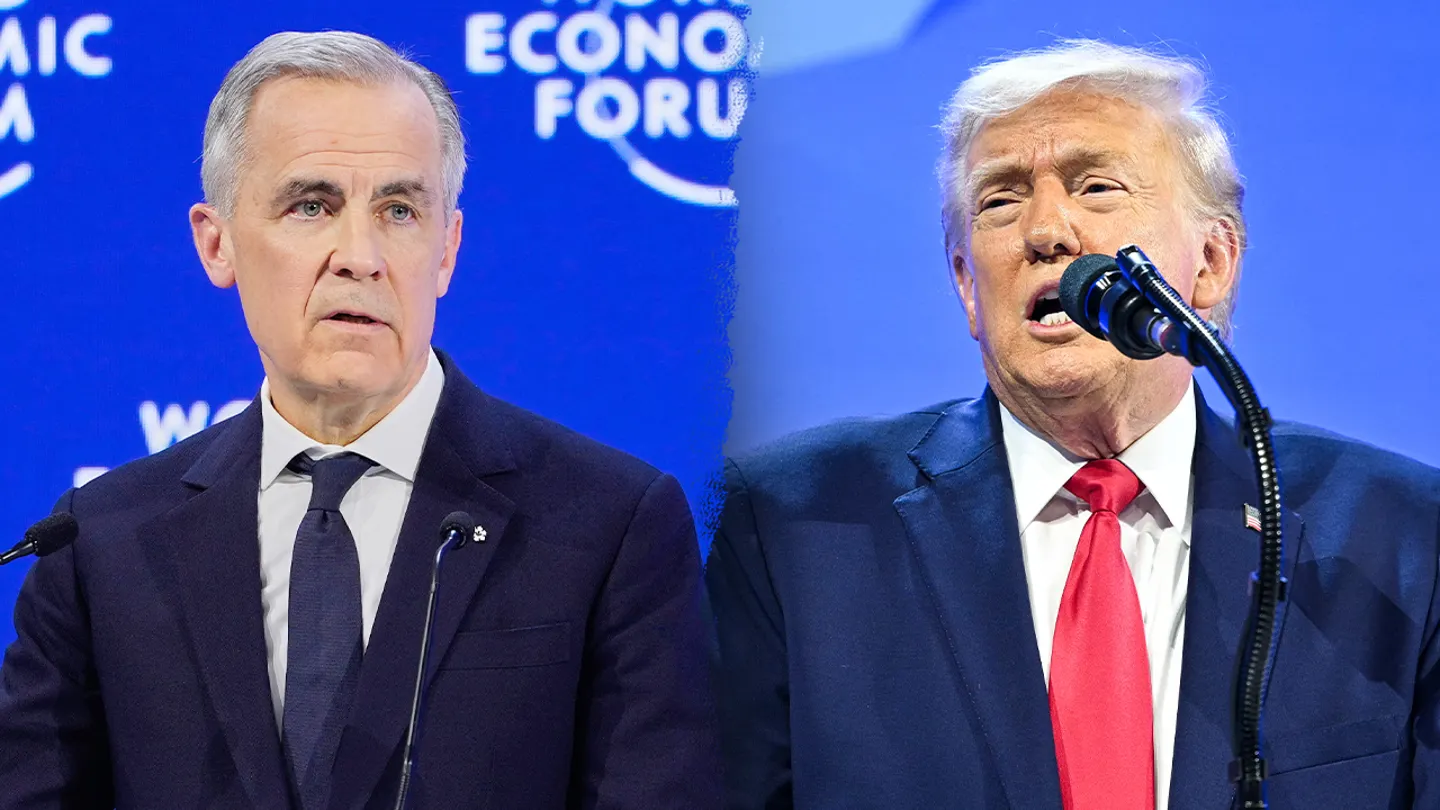
The president unveiled the Board of Peace during a speech and signing ceremony at the World Economic Forum in Davos, Switzerland, where leaders from Latin America, Europe, the Middle East, and Central and Southeast Asia joined him on stage. Canada, notably, did not—at least not anymore.
Trump’s decision came just one day after he argued that the United States should control Greenland in order to build a large-scale “Golden Dome” missile defense system. According to the president, the system wouldn’t just protect America—it would also defend Canada, which he pointed out relies heavily on U.S. security. A generous offer, one might say.
Speaking at the forum, Trump noted that Canada benefits greatly from U.S. defense efforts and suggested a little gratitude wouldn’t hurt. He said he watched remarks from Prime Minister Carney and didn’t sense much appreciation. In Trump’s words, Canada “lives because of the United States,” a reminder he suggested Carney keep in mind before making future statements. Subtle? Not exactly. Clear? Absolutely.
Carney, for his part, did not mention Trump by name but warned that the so-called rules-based international order is breaking down as major powers increasingly use economic and security leverage to pressure allies. He argued that countries like Canada—what he referred to as “middle powers”—should take this as a wake-up call and focus on diversification, collective action, and respect for sovereignty.
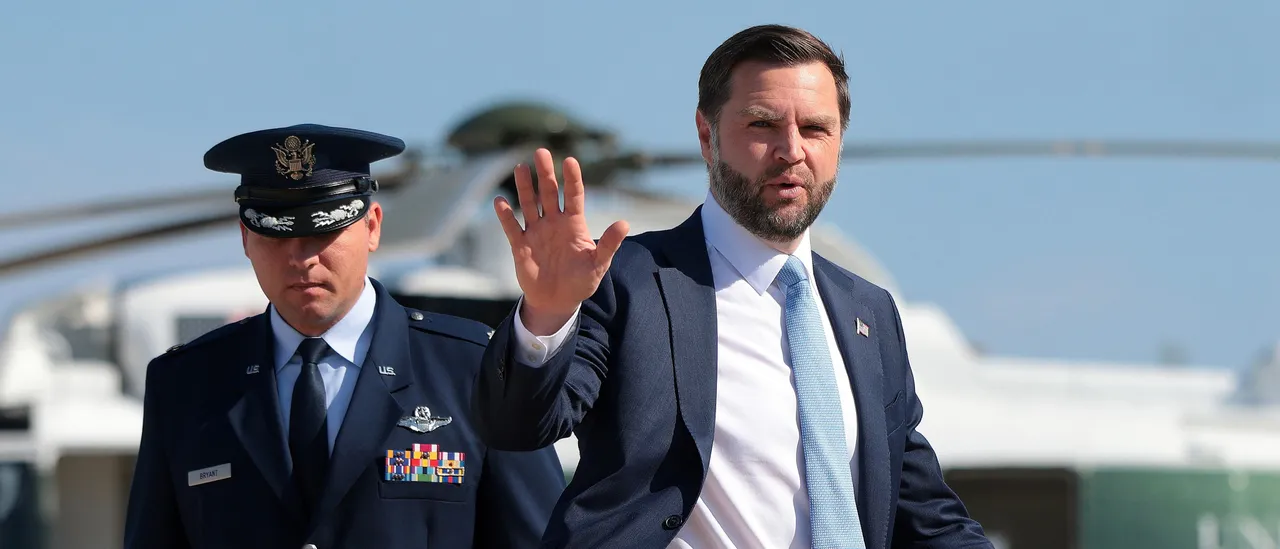
Trump, meanwhile, is moving forward. He confirmed that he will chair the Board of Peace himself, alongside a lineup of senior political, diplomatic, and business figures. The board will include his son-in-law Jared Kushner, Secretary of State Marco Rubio, U.S. special envoy Steve Witkoff, and billionaire Marc Rowan. In other words, a serious group with serious influence—no participation trophies required.
The message from the White House was unmistakable: leadership comes with responsibility, alliances come with expectations, and respect goes both ways. The Board of Peace is moving ahead with leaders ready to engage constructively—and that’s a positive step toward stronger cooperation and a more secure future.