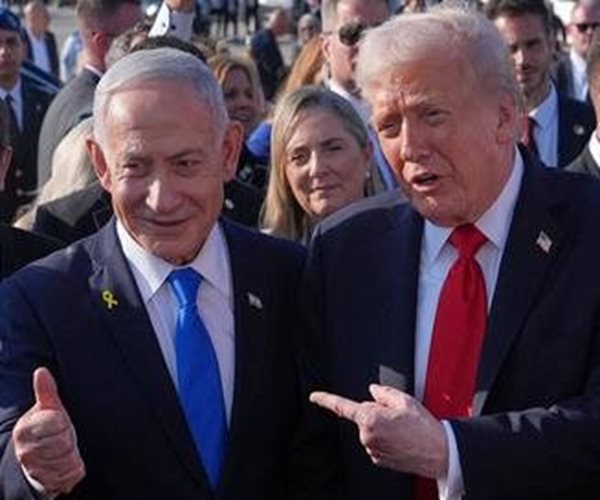
President Donald Trump’s longstanding relationship with Israeli Prime Minister Benjamin Netanyahu is facing a new test as the administration works to finalize a deal aimed at ending the conflict with Iran.
Just last year, Netanyahu described Trump as the “greatest friend Israel ever had in the White House,” a reflection of the close partnership that defined much of their political relationship. Throughout his time in office, Trump consistently positioned himself as one of Israel’s strongest allies, championing policies that significantly strengthened ties between Washington and Jerusalem.
However, as negotiations surrounding a potential agreement with Iran move forward, Trump has not hesitated to voice his frustrations publicly. In recent remarks and interviews, the president questioned some of Netanyahu’s decisions and used unusually direct language while discussing the Israeli leader’s approach to the conflict.
Trump also emphasized the extent of his support for Israel over the years, arguing that his administration played a pivotal role in strengthening the nation’s security and international standing. His comments underscored the belief that no modern American president has done more to support Israel’s interests on the world stage.
The public exchange highlights the complexity of balancing a close alliance with broader regional objectives. While Trump continues to express strong support for Israel, he is also focused on securing what he hopes will become a lasting agreement to bring stability to the region and end the war with Iran.
Political allies do not always agree on every decision, especially when the stakes involve war, diplomacy, and national security. And while media outlets are eager to portray every disagreement as the end of a partnership, reality is often far less dramatic. Strong leaders frequently engage in tough conversations when critical interests are on the line.
As efforts toward a potential deal continue, Trump remains focused on achieving an outcome that he believes will promote peace, strengthen American interests, and enhance stability throughout the Middle East. If successful, it could become one of the most significant diplomatic achievements of his presidency—proving once again that bold leadership often requires difficult conversations, even among close friends.