
In a significant move that underscores the Trump administration's commitment to public health and common sense, the federal government is, for the first time, initiating a nationwide screening project to detect compounds from abortion drugs in America's drinking water. The Environmental Protection Agency (EPA) is adding mifepristone and misoprostol to a groundbreaking study that will meticulously test water samples for over 1,000 other pharmaceuticals, PFAS, and various chemicals. This landmark action comes after years of persistent advocacy from pro-life organizations, state attorneys general, and members of Congress.
The EPA's September project will deploy advanced non-targeted analysis, a cutting-edge technique that allows researchers to screen each water sample against a comprehensive library of more than 1,400 chemicals. This extensive list includes over 250 pharmaceuticals, alongside pesticides and PFAS. Notably, mifepristone, misoprostol, misoprostol acid, and several mifepristone metabolites are specifically named for detection.
EPA Administrator Lee Zeldin announced the study on September 9, directly addressing widespread concerns raised by Americans about unknown pollutants infiltrating their drinking water. "The Trump EPA is committed to getting to the bottom of this, so that Americans can feel confident about the safety of their drinking water," Zeldin stated, signaling a clear departure from previous administrations' reluctance to tackle such sensitive issues.
While the EPA has yet to disclose the specific water systems participating in this crucial research, the agency confirmed it is collaborating with the water sector to select systems across several metropolitan areas. Testing is slated to commence over the next year, promising a year of unprecedented scrutiny into what truly flows from our taps.
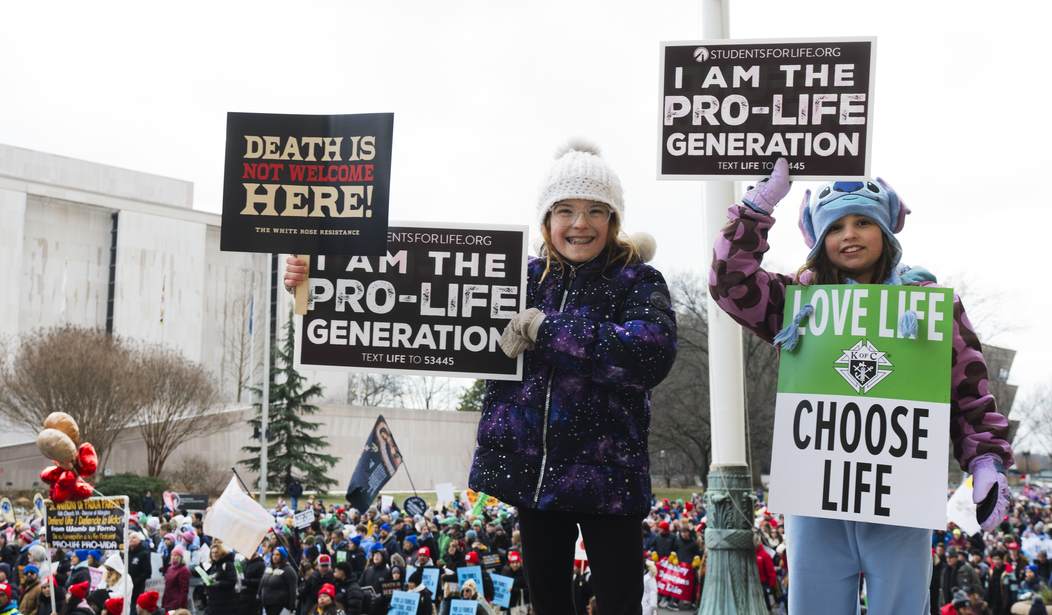
The driving force behind this federal initiative has been Students for Life of America (SFLA), which has spearheaded the charge for years, lobbying the EPA to test drinking water for these abortion-drug compounds. Their relentless efforts were echoed by nineteen members of Congress and fourteen state attorneys general, whose comments to the EPA amplified the call for action. SFLA rightly hailed the new federal testing as a "victory for common sense."
"You don't have to be pro-life to want crystal-clear drinking water," affirmed Kristan Hawkins, President of Students for Life of America, perfectly encapsulating the broad appeal of this health-focused investigation.
SFLA has also highlighted research published in July in Issues in Law & Medicine, where scientists sampled water in Austin, Texas; Blacksburg, Virginia; and Carbondale, Illinois. These researchers reported detecting anti-progesterone activity in most of the sample categories examined. While that paper did not chemically identify mifepristone directly, it used the PR CALUX assay to measure anti-progesterone activity benchmarked against mifepristone (RU486), indicating a potential presence and underscoring the urgent need for further, more definitive testing.
The EPA's new testing methodology offers a more precise approach. Its mass-spectrometry-based system will compare detected substances in drinking water against reference profiles for known chemicals, including mifepristone and misoprostol. The initial phase will answer a critical presence-or-absence question, laying the groundwork for future evaluations. It’s important to note that this non-targeted analysis will not quantify the concentration of any detected chemical, meaning further studies would be necessary to assess potential danger or to establish federal drinking-water limits.
Even if these compounds are found, the immediate goal is to tell scientists which substances warrant a closer, more in-depth investigation. This responsible, scientific approach ensures that any future actions are based on solid data, not speculation. This EPA action is a testament to the Trump administration's dedication to the safety and well-being of American families, cutting through political noise to address tangible concerns about the purity of our most vital resource. It represents a crucial step in ensuring accountability and transparency in our nation's environmental safeguards, upholding American values by prioritizing the health of its citizens.