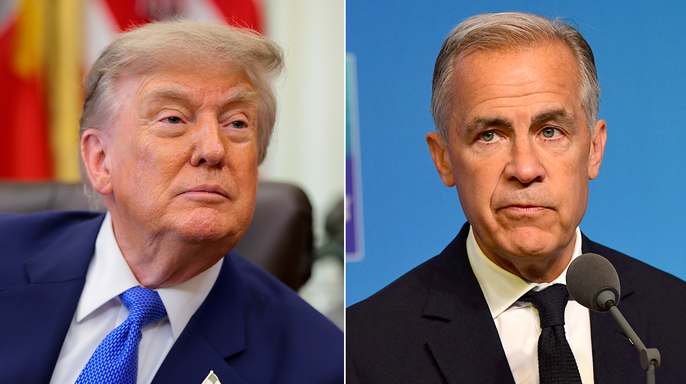
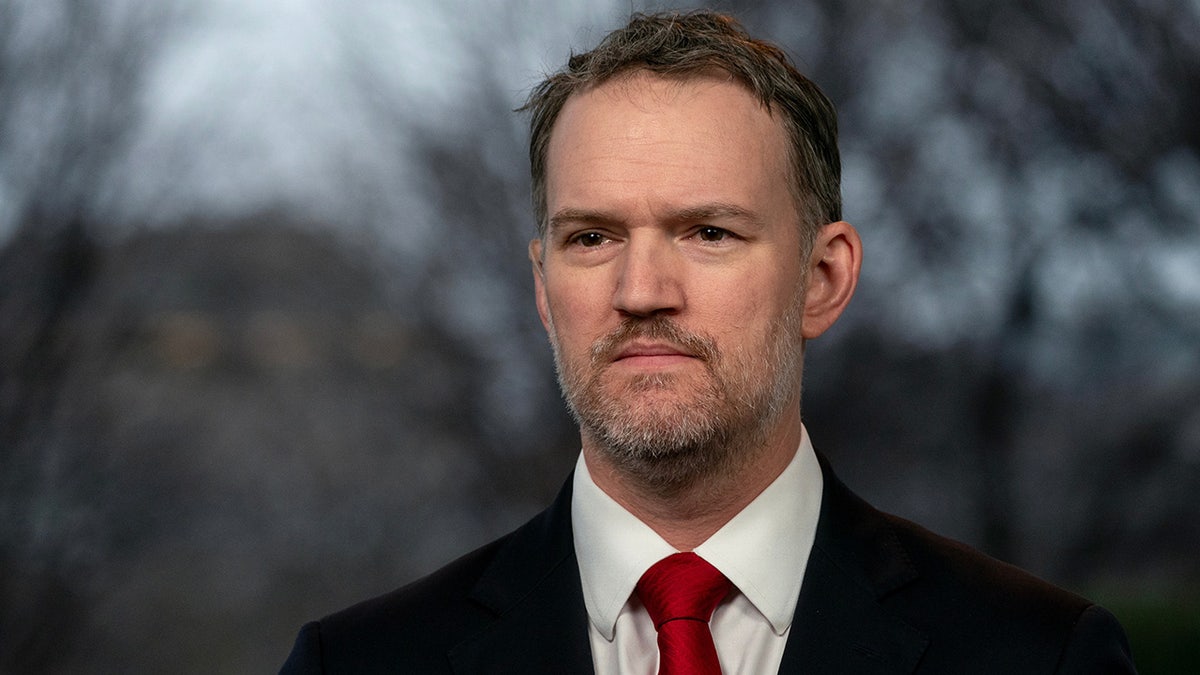
When President Donald Trump offered what his administration described as "the best deal in the world" to Canada, few would have predicted their northern neighbors would turn their backs on it. Yet, that's precisely what transpired, according to U.S. Trade Representative Jamieson Greer, who pulled back the curtain on the contentious negotiations nearly two weeks after Canada declined to finalize a critical trade agreement with the U.S.
Greer, a key architect of Trump's America First trade agenda, detailed the behind-the-scenes sparring on 'Special Report,' laying bare Canada's surprising decision.
"We offered them the best deal. They looked at it square in the face and turned around," Greer stated, highlighting the baffling turn of events.
This revelation comes amid an escalating trade confrontation between the two nations, a conflict Trump notably amplified by signing an executive order to whimsically rename Lake Ontario as "Lake America" – a clear signal of his administration's no-nonsense approach to protecting American interests.
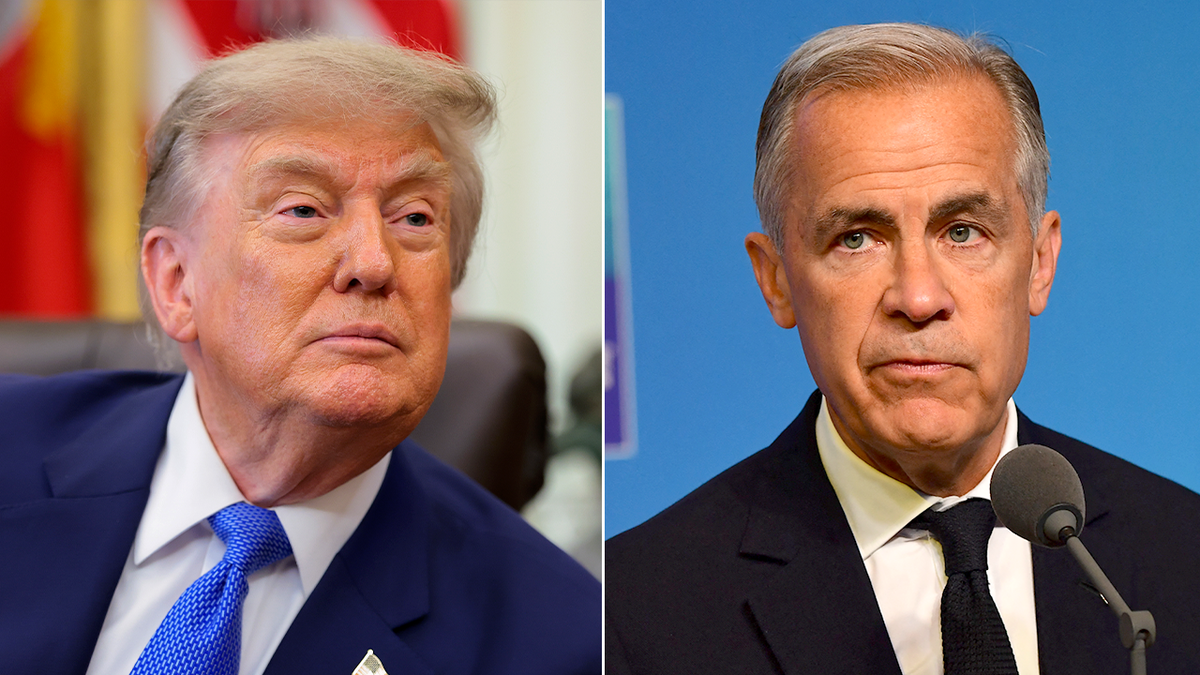
The trade chief explained that despite Trump's trade program already offering Canada an advantageous position, U.S. officials were willing to engage further after Canadian authorities requested a revised agreement. "I told them what we could deliver. I said, 'We could try to give you the best deal in the world on steel, aluminum, autos and help you out on lumber,'" Greer recounted. "These are things very sensitive for the Canadians, and we managed to move the levers of our government to give them that deal."
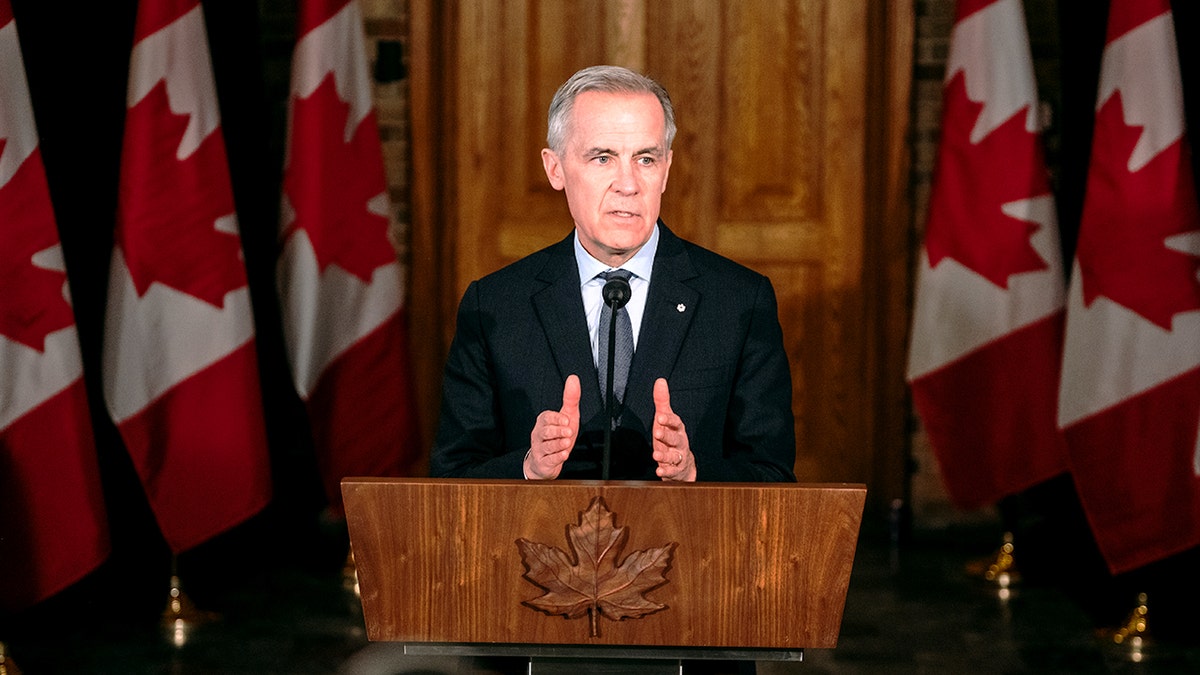
After an initial handshake agreement between Trump and Canadian Prime Minister Mark Carney, Canadian officials returned to Ottawa. What exactly transpired there remains a mystery to Greer, but it ultimately led Canada to renege on the deal, seeking additional, apparently insatiable, concessions.
"When they came back, they wanted more, they wanted more tariff relief. It wasn't good enough to have the best deal in the world," Greer told Fox News chief political anchor Bret Baier. "They wanted it to be even better… These are things we couldn't accommodate."
Canada formally suspended trade talks on August 21st, a breakdown U.S. trade officials squarely blamed on "new demands and walk backs of other commitments by Canada" that effectively "upended the careful balance" of the arduous negotiations.
"We were ready to do it. We gave them the best deal in the world. Did it give them everything? No. Did we have everything we wanted? No. That's how a deal works," Greer asserted, underscoring the fundamental principle of fair negotiation.
Adding insult to injury, Canadian leaders then appeared on television after the agreement imploded, claiming their country had "been attacked." Greer swiftly pushed back on this disingenuous characterization, pointing out that the vast majority of Canadian goods enter the U.S. duty-free. He also noted the telling fact that Canada, alongside Communist China, stood alone as the only nations to retaliate against U.S. trade measures.
Furthermore, Greer revealed Canada's own protectionist tendencies: "Since even before the second Trump term, they've limited our ability to sell dairy into Canada, and they're importing things from China. They're turning them into other goods and trying to get them duty-free across our border." A clear double standard, it would seem.
Despite the apparent bad faith from Ottawa, Greer, ever the diplomat, believes the Canadians were negotiating in good faith initially. However, he confirmed that no formal negotiations have taken place since August 21st, though some informal outreach has occurred.
As for the future, Greer's message was unambiguous and firm: the fate of the trade deal now squarely rests "in Canada’s corner." The Trump administration, always prioritizing American workers and businesses, has laid out its terms. It's up to Canada to decide if they will finally embrace the common-sense deal offered or continue down a path of self-imposed economic friction, much to the detriment of their own people and the broader North American alliance.