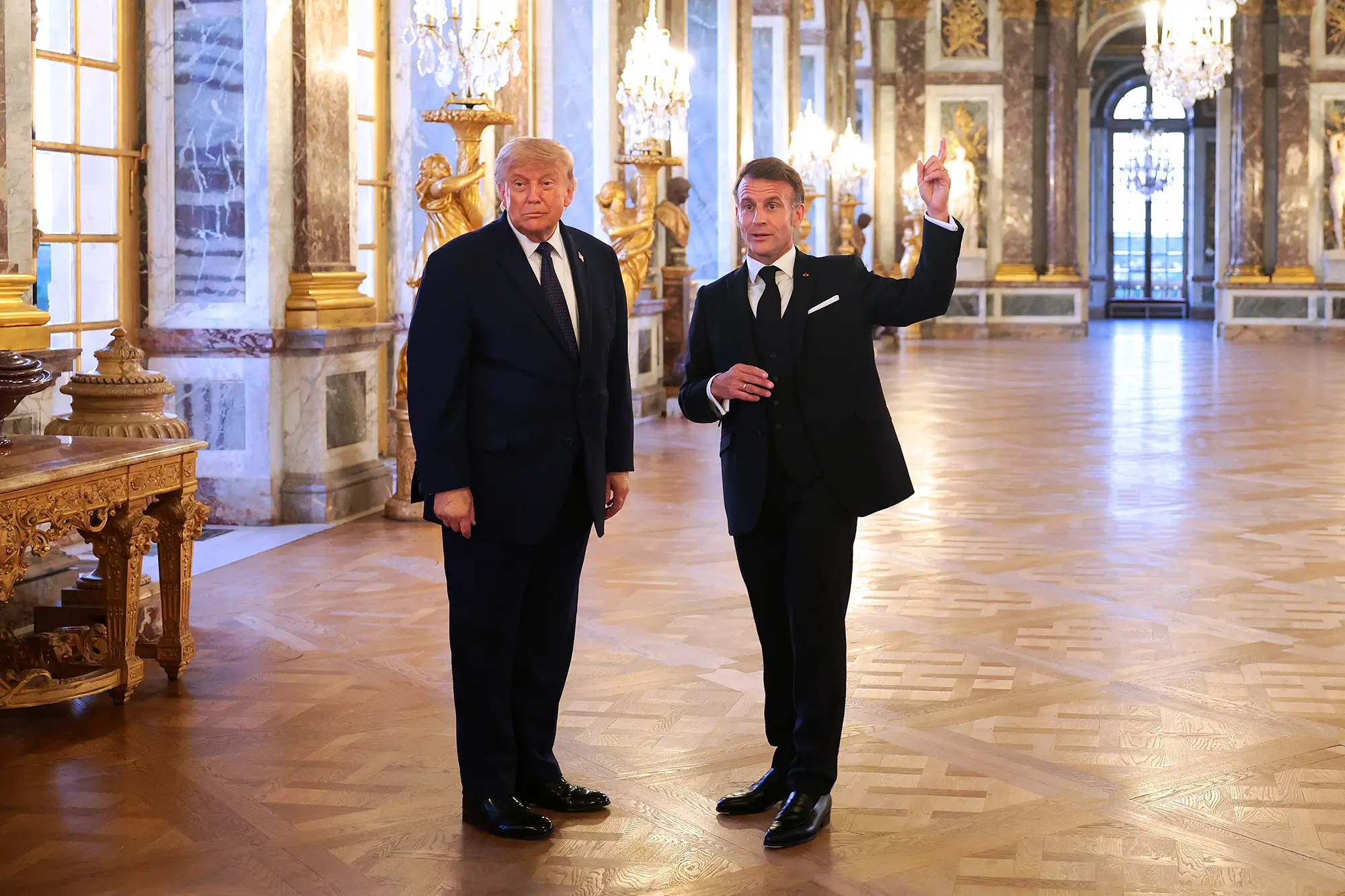
After months of global attention centered on Iran and instability across the Middle East, President Donald Trump signaled that the administration is preparing to shift its focus back toward ending Russia’s war in Ukraine—including the possible return of stronger pressure on Russian oil exports.
Speaking to reporters during the Group of Seven summit in Evian-les-Bains, France, Trump indicated that the temporary easing of restrictions tied to Russian oil could soon come to an end as energy markets stabilize and concerns over supply disruptions ease.
“Soon we’ll be able to do that because the oil is now flowing,” Trump said. “We’re in a position to do that soon.”
The remarks offered one of the clearest signs yet that the administration believes conditions are changing after months of prioritizing Middle East stability and avoiding further shocks to global energy markets.
During the height of tensions involving Iran, certain restrictions affecting Russian oil shipments were eased in an effort to prevent energy prices from surging. Since then, markets have calmed following the ceasefire in the Gulf and the reopening of shipping routes through the Strait of Hormuz.
Trump suggested that chapter may now be closing.
Referring to the Iran conflict, the president said the issue would soon be “back in the rearview mirror,” allowing greater attention to be directed toward bringing the war in Ukraine to an end.
Meanwhile, America’s allies are intensifying pressure on Moscow.
British Prime Minister Keir Starmer announced additional sanctions targeting Russia’s energy sector, financial networks, and the so-called “shadow fleet” used to move oil and liquefied natural gas despite restrictions. The package reportedly expands pressure to more than 600 vessels and networks accused of helping Russia sustain trade operations.
Canada introduced its own sanctions targeting individuals, entities, and vessels connected to Russia’s war effort, while European Commission President Ursula von der Leyen continues pushing broader measures focused on banking, energy, and trade.
The renewed pressure follows another major Russian attack on Ukraine. Ahead of the G7 summit, Russia launched a large-scale assault involving drones and missiles that reportedly killed civilians and damaged infrastructure.
Ukrainian President Volodymyr Zelensky met with G7 leaders as discussions focused on increasing support for Ukraine and expanding economic pressure on Moscow.
Some European officials had questioned whether the Trump administration would support tougher measures after spending months focused on the Middle East. Trump’s comments appear to have eased some of those concerns.
Although Trump campaigned on bringing the war to a close quickly, he acknowledged that negotiations have proven more difficult than expected.
“The whole thing is ridiculous,” Trump said. “So, yeah, I’m going to do whatever I can.”
With tensions in the Middle East cooling and allies aligning around renewed economic pressure, sanctions may once again become a central tool in efforts to push the conflict toward a negotiated end. For supporters of the administration, the message is straightforward: stabilize one crisis, then move aggressively to tackle the next.