President Donald Trump turned up the heat Sunday, taking direct aim at Netflix and its proposed acquisition of Warner Bros. Discovery with a blunt Truth Social message that left little room for interpretation: “Stop the Netflix cultural takeover.”
Trump shared a One America News commentary criticizing the deal and made clear where he stands on a merger already under intense review at the Department of Justice. In other words, this isn’t just another corporate transaction quietly sliding through Washington—it’s one the president is watching closely.
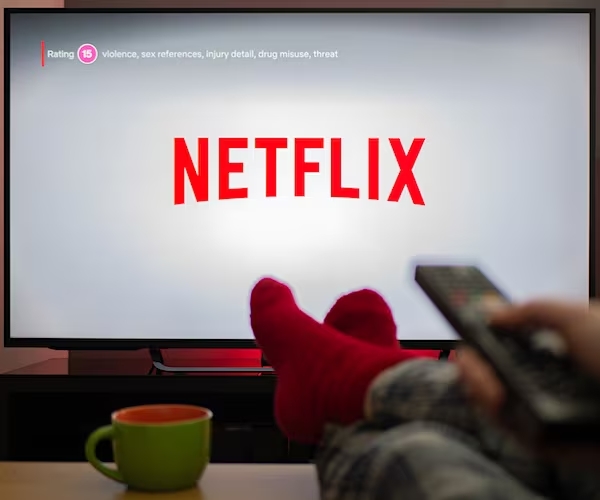
Netflix needs federal approval for the blockbuster merger, which would unite the world’s largest streaming platform with Warner Bros. Discovery’s streaming service and one of the most valuable film and television libraries ever assembled. Supporters call it “synergy.” Critics call it something else entirely: unchecked power.
Those critics argue the merger would concentrate unprecedented control over the streaming and entertainment markets in a single corporation. A combined Netflix–WBD entity would dominate premium scripted content, global distribution, and major intellectual property franchises, giving it enormous leverage over pricing, release schedules, creative labor, and—yes—cultural narratives. Apparently, binge-watching now comes with a side of corporate gatekeeping.
The concerns were laid out sharply in the OAN commentary shared by Trump. Written by constitutional attorney John M. Pierce, the article warned that the acquisition represents an effort to consolidate cultural power inside what he described as one of America’s most ideologically aggressive corporations. Pierce accused Netflix of promoting progressive narratives while sidelining dissenting viewpoints, a charge that resonates with millions of Americans who’ve noticed a pattern.
Pierce also argued that Warner Bros. Discovery’s assets are more than just commercial properties—they are cultural institutions. Folding them into Netflix, he warned, would create the most powerful cultural gatekeeper the United States has ever seen. Not exactly the kind of monopoly James Madison had in mind.
Adding fuel to the fire is a rival bid. Paramount Skydance, backed by tech billionaire Larry Ellison and led by his son David Ellison, reportedly made an all-cash offer of $108 billion, or $30 per share, for Warner Bros. Discovery—an offer that implies a higher valuation for shareholders than Netflix’s proposal. Despite that, WBD’s board has continued to pursue the Netflix deal, raising uncomfortable questions about fiduciary duty.
According to the OAN commentary, regulatory filings and reporting show Paramount’s bid was repeatedly rebuffed, fueling speculation that ideological alignment—not shareholder value—may have influenced the board’s preference. Trump has previously made clear that he views Paramount under David Ellison’s leadership as a more balanced steward of American media.
Regulators now face mounting pressure to treat the deal as a top-tier antitrust case. Some analysts say a combined Netflix–WBD would control roughly one-third of the U.S. paid streaming market, making it the largest player in the country. Even more concerning to critics, its content library would dwarf competitors, creating a serious competitive imbalance.
Beyond market share, opponents are urging regulators to consider the broader implications for free expression, cultural diversity, and creative competition. Fewer major studios could mean fewer opportunities for writers, directors, and actors—and more decisions driven by algorithms instead of artistry.
Trump’s Truth Social post makes one thing clear: the Netflix–WBD merger is no longer just a business deal. It’s a political and cultural flashpoint. And by calling it out directly, Trump is once again positioning himself as a defender of competition, free expression, and an American media landscape that reflects more than just one narrow worldview. In the long run, that kind of vigilance is exactly what keeps innovation—and culture—alive.