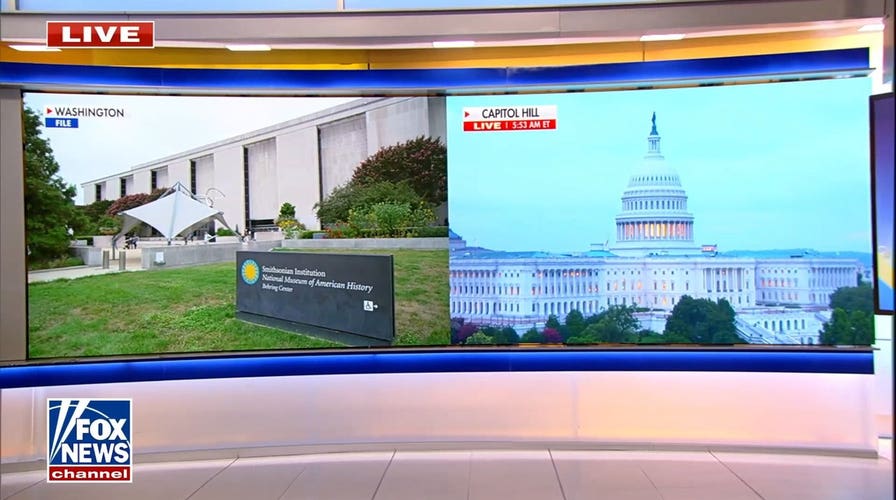
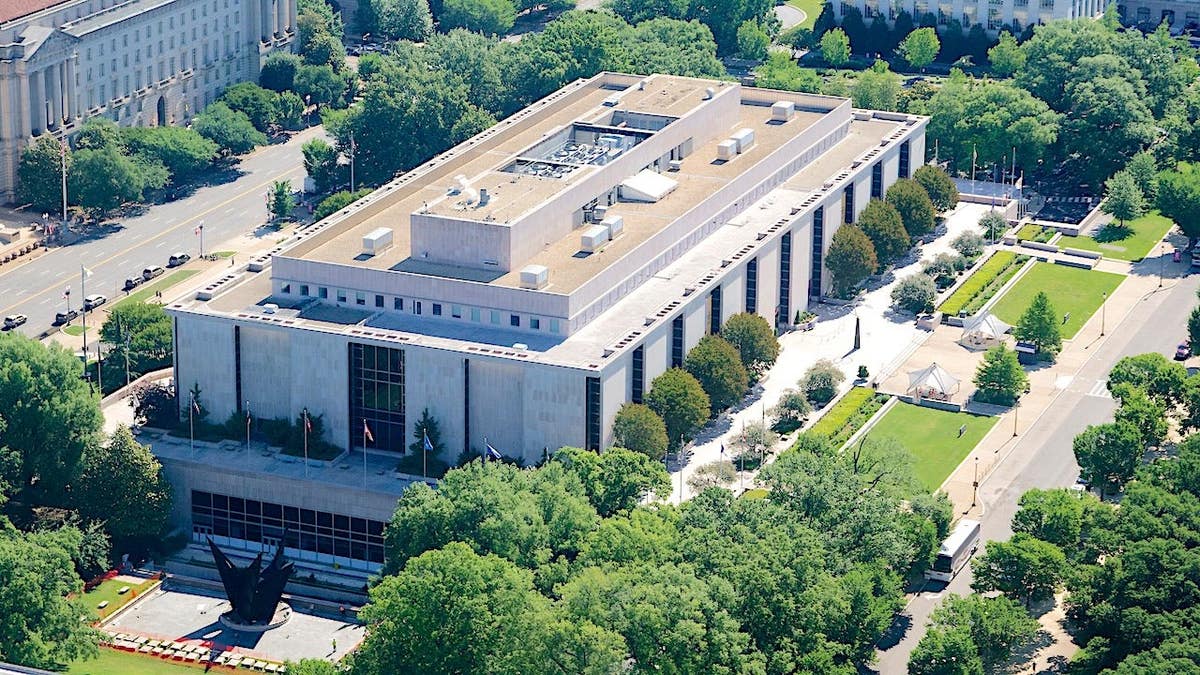
President Donald Trump has drawn a clear line in the sand against the increasingly radical revisionism infiltrating America's most revered cultural institutions. In a bold move, President Trump issued an executive order on Friday, directing his administration to install prominent signs outside the Smithsonian's National Museum of American History. These signs will guide visitors to what the White House unequivocally describes as "accurate" information about the nation's storied past, directly confronting the museum's alleged "woke" narratives.
The directive instructs the National Park Service, which oversees the public spaces surrounding the iconic museum, to place these critical informational markers. Their purpose is to highlight a damning White House report, released fittingly on July 4th, which sharply criticized the Smithsonian's distorted portrayal of American history. Furthermore, President Trump mandated the creation of a temporary exhibit specifically designed to correct what his administration identifies as deeply inaccurate historical information.
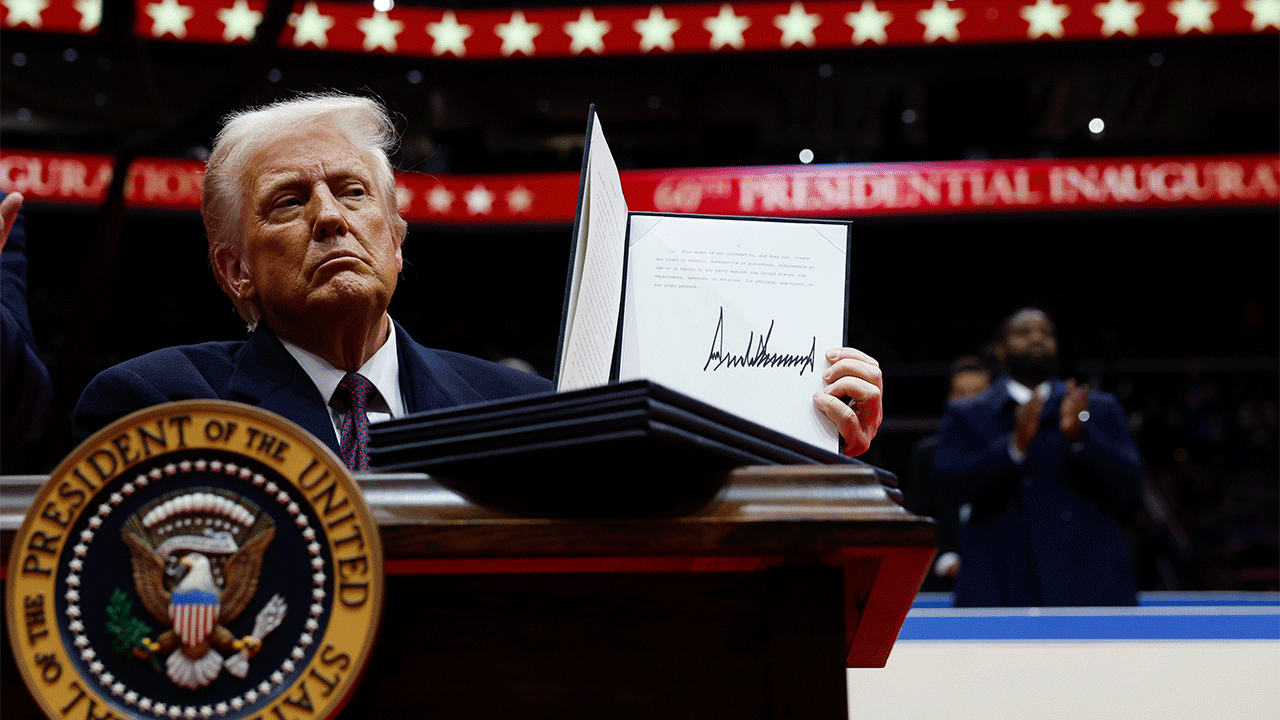
This decisive action follows an exhaustive report from Trump's Domestic Policy Council. The report pulled no punches, accusing the Smithsonian and, specifically, the National Museum of American History, of failing miserably to present history "in a way that is inspiring, unifying, and worthy of our great republic." This is not merely an academic disagreement; it's a fundamental clash over the soul of American identity and the narrative we teach our children.
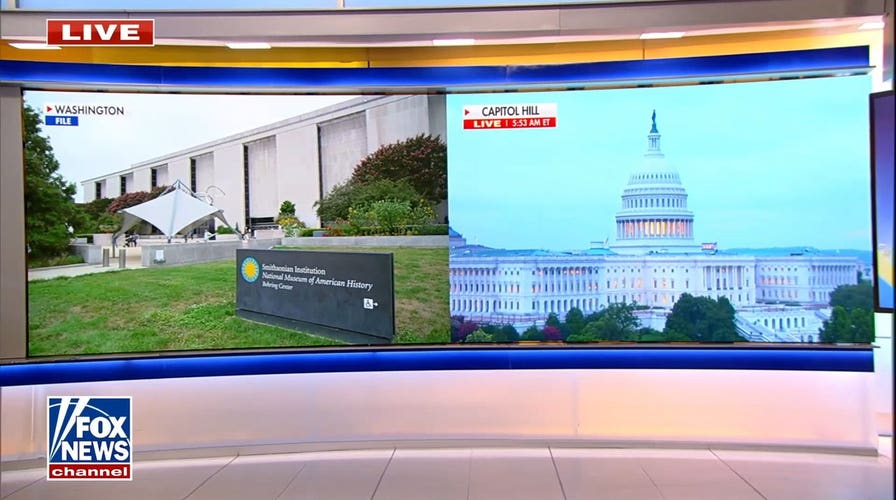
Given the Smithsonian's unique operational independence from the executive branch, President Trump cannot simply dismiss its leadership or unilaterally dictate changes to its exhibits. However, his order brilliantly targets federal property outside the museum, leveraging the National Park Service's jurisdiction to ensure a more balanced and patriotic perspective is offered to the public. It's a strategic maneuver to push back against a federally funded institution that appears to have lost its way.
National Museum of American History Director Anthea M. Hartig, attempting to defend the museum during recent congressional testimony, claimed the White House report "does not fairly or accurately characterize the full body of work at the museum." While admitting there is "always room for improvement," her words offered little reassurance to those concerned about the erosion of traditional American values within the institution.
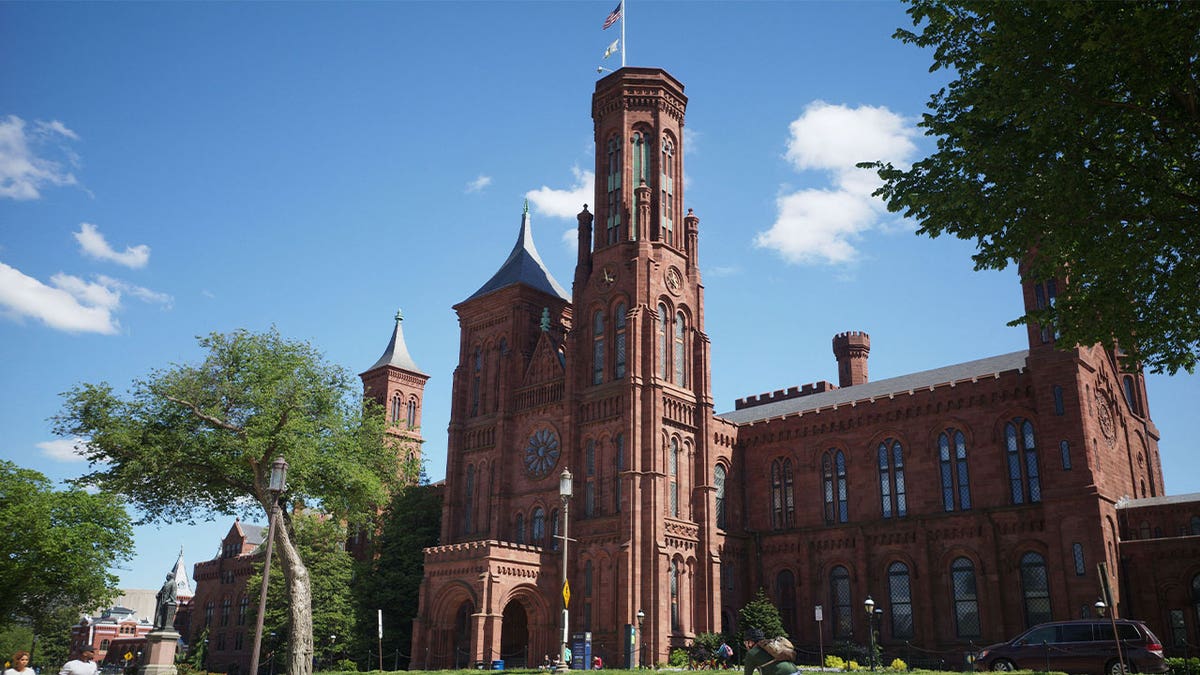
Friday's executive order is not an isolated incident but a continuation of President Trump's broader, principled effort to restore integrity and pride to the Smithsonian's vast collection of exhibits. In March, he had already signed a separate executive order directing the Smithsonian's Board of Regents to systematically eliminate what the administration rightly deemed "improper, divisive or anti-American ideology" from its institutions.
The White House has previously singled out the National Museum of American History's "Entertainment Nation" exhibit for particular criticism, arguing its displays on American pop culture were used to frame the nation's history through a distinctly ideological lens, rather than genuinely celebrating its remarkable achievements. As White House official Lindsey Halligan powerfully stated, "American taxpayers should not be funding institutions that undermine our country or promote one-sided, divisive political narratives." This is precisely the accountability Americans demand.
The irony here is stark: the Smithsonian, overseen by a Board of Regents that includes Vice President JD Vance and Chief Justice John Roberts, receives roughly two-thirds of its substantial annual budget – nearly a billion dollars – directly from federal appropriations. Taxpayer dollars, it seems, have been inadvertently funding narratives that actively diminish the very nation those taxpayers cherish.
President Trump's steadfast refusal to allow America's heritage to be rewritten by ideologues is a powerful affirmation of the America First movement's commitment to preserving national pride, upholding factual history, and ensuring that our institutions serve the public interest, not a partisan agenda. This is about reclaiming the true story of America – a story of exceptionalism, resilience, and unwavering spirit – for all future generations.