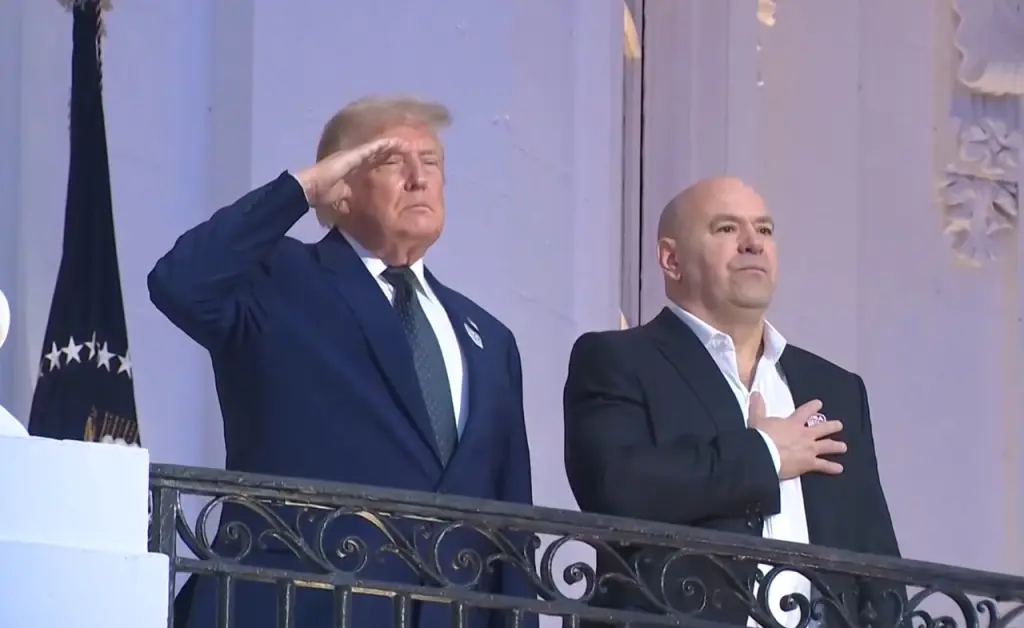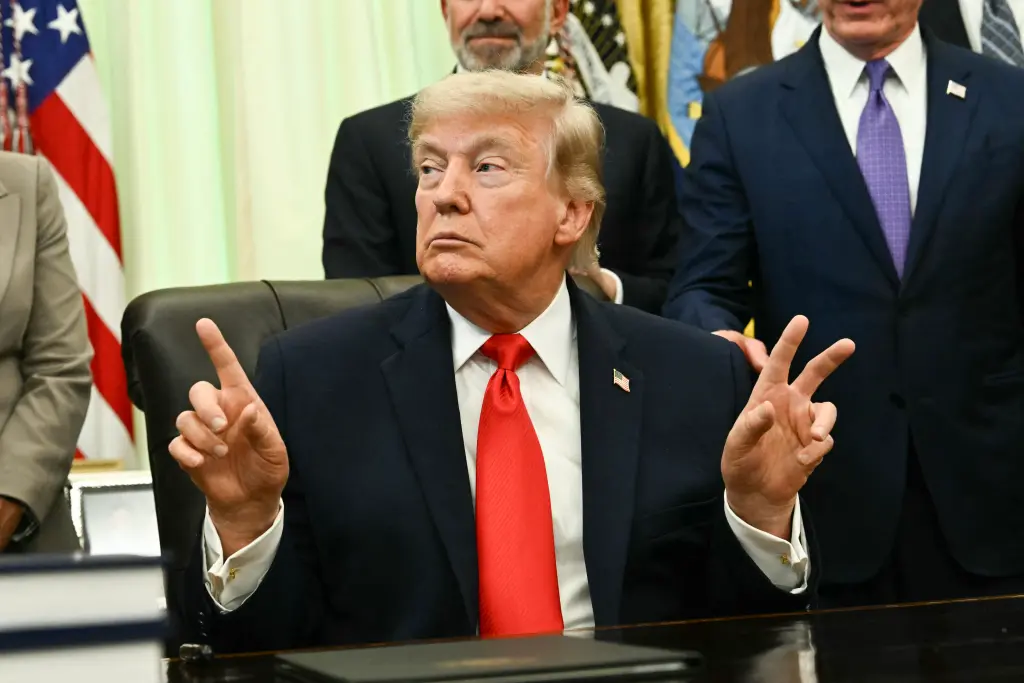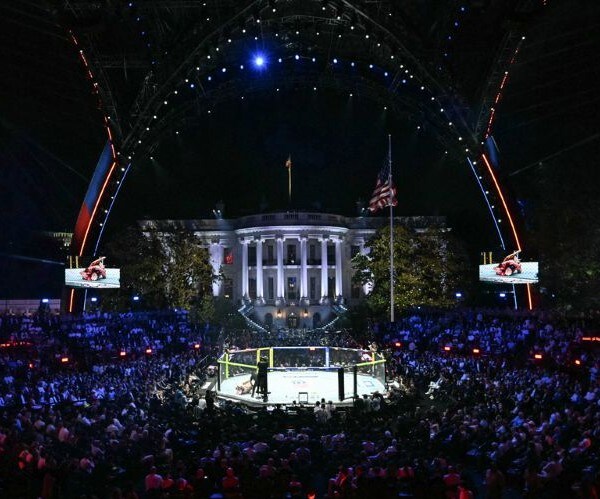
President Donald Trump celebrated his 80th birthday on Sunday with a political spectacle few presidents would attempt — combining a White House-hosted UFC event with the announcement of what he described as an initial agreement aimed at ending the conflict involving Iran.
The unusual pairing of diplomacy and high-profile entertainment created one of the more unconventional moments of Trump’s presidency, blending foreign policy messaging with the kind of public stagecraft that has long defined his political brand.
For weeks, Trump had been signaling progress toward a deal connected to the regional conflict, but continued instability threatened to overshadow the event. As crowds gathered on the White House’s South Lawn for a UFC-style mixed martial arts showcase, attention shifted toward whether the administration could deliver a meaningful diplomatic breakthrough.
Before the fights began, Trump announced that an agreement to end the conflict was “now complete.”
According to Trump’s remarks, the United States would move to end its blockade of Iran and the Strait of Hormuz would reopen — developments that, if fully implemented, could reduce pressure on global energy markets and ease concerns over oil prices.
Supporters immediately framed the announcement as an example of Trump’s preferred formula: visible strength, public leverage, and negotiation from a position of pressure rather than prolonged military engagement. To allies, the timing was intentional — demonstrate force, then announce peace.
Critics, however, urged caution.
They noted that major diplomatic agreements are rarely settled in a single declaration and emphasized that important details reportedly remain unresolved and subject to additional negotiations in the coming weeks. Opponents also questioned whether celebratory messaging risks creating expectations before formal terms are finalized.
Still, the imagery was unmistakably Trump.
A White House lawn transformed into a combat arena while the president announced progress toward ending a foreign conflict is unlikely to appear in any traditional presidential playbook. Then again, normal political choreography has rarely been Trump’s preferred sport.
Whether the agreement ultimately becomes a durable diplomatic achievement or another opening chapter in a longer negotiation remains to be seen.
But politically, the moment captured something larger: an administration determined to project confidence, control the narrative, and present American power not as cautious management — but as something visible, forceful, and impossible to ignore.
For supporters, that looks like leadership. For critics, it looks like performance. The coming weeks may determine which interpretation lasts.