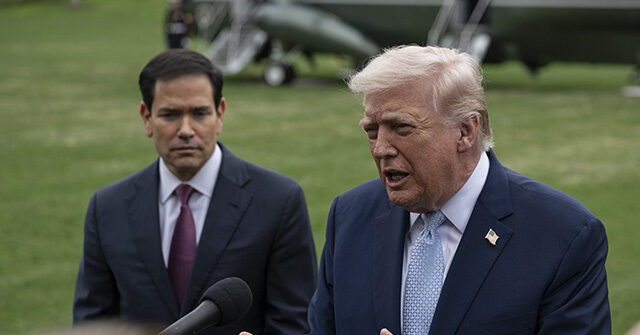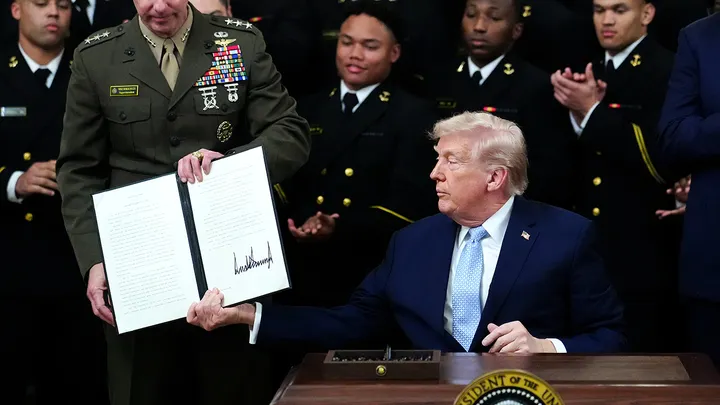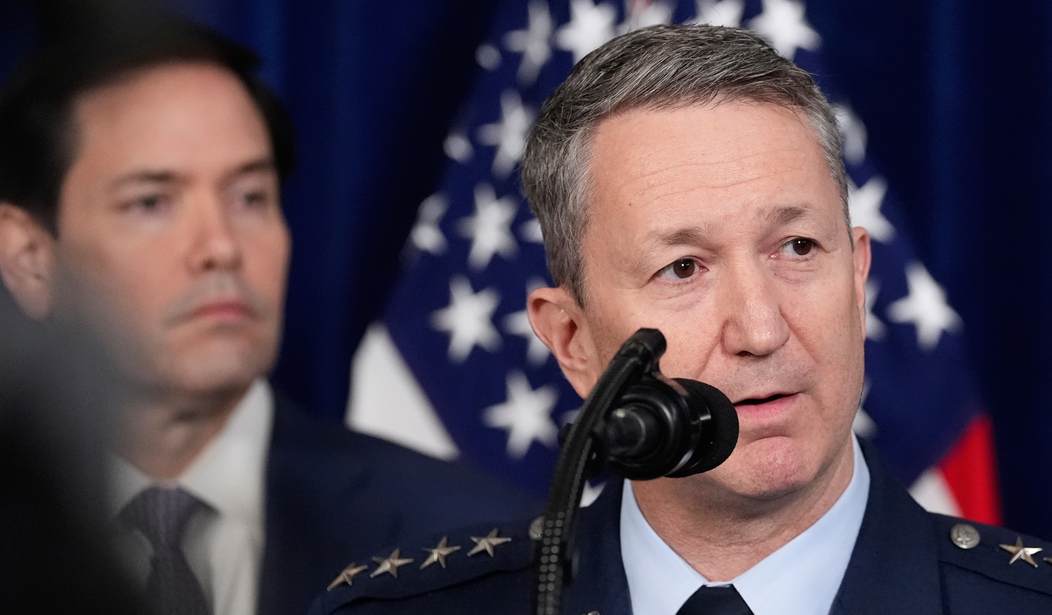
Under the leadership of Secretary of War Pete Hegseth and Joint Chiefs Chairman Gen. Dan “Razin’” Caine, the United States is charting new territory by calling for a historic meeting of Western Hemisphere military leaders to confront drug trafficking head-on. Because after decades of polite warnings, it turns out decisive action works better.
On Friday, Joint Task Force Southern Spear carried out another successful operation, striking a drug boat in the Eastern Pacific Ocean with a “lethal kinetic strike” that killed two narco-terrorists. The mission underscores a more aggressive posture in the long-running fight against the cartels — and this time, results are arriving on schedule.
The February meeting will bring together military leaders from 34 nations with a unified goal: dismantling drug cartels and strengthening regional security. It’s the kind of coordination that makes traffickers nervous and law-abiding citizens safer — which explains why it hasn’t happened like this before.
Recent operations show the strategy is working. Joint Task Force Southern Spear has targeted known cartel members transporting narcotics, while the U.S. Coast Guard in 2025 seized 510,000 pounds of cocaine — the largest haul in Coast Guard history. Apparently, when you treat the drug trade like a real enemy, it starts losing ground.
With this potentially historic gathering of Western Hemisphere commanders, the Trump administration is establishing a level of military strategy and regional engagement not seen in 50 years. It’s a clear signal that the War on Drugs is no longer just a slogan — it’s an operation with teeth.
And as allies line up and cartels feel the pressure, one thing is becoming obvious: coordinated strength beats organized crime. With leadership willing to act and partners ready to join, the region is moving toward a safer future — and that’s a win worth saluting.