The United States carried out a second consecutive day of military strikes against targets inside Iran early Thursday, as tensions in the Middle East continued to escalate following Iranian attacks on American interests and regional allies.
According to U.S. Central Command (CENTCOM), American forces struck “multiple targets” inside Iran “in response to Iran’s unwarranted and continued aggression.” The operation follows a series of retaliatory actions that began after Iran allegedly targeted U.S. military assets and personnel in the region.
The latest developments came just hours after Iran launched attacks against Bahrain, Kuwait, and Jordan—three nations that host American military personnel and facilities. The strikes heightened concerns that the conflict could expand beyond direct confrontations between Washington and Tehran.
In Bahrain, authorities activated missile warning sirens and urged residents to seek shelter as fears of additional Iranian attacks spread throughout the small Gulf kingdom. The warning followed threats from Iran’s Islamic Revolutionary Guard Corps, which had indicated Bahrain could become a target because of its close security relationship with the United States.
The renewed military action marks a significant escalation in the ongoing standoff, with American forces now conducting air operations against Iranian targets for a second straight day. CENTCOM has described the strikes as defensive measures designed to protect U.S. personnel, military installations, and regional stability.
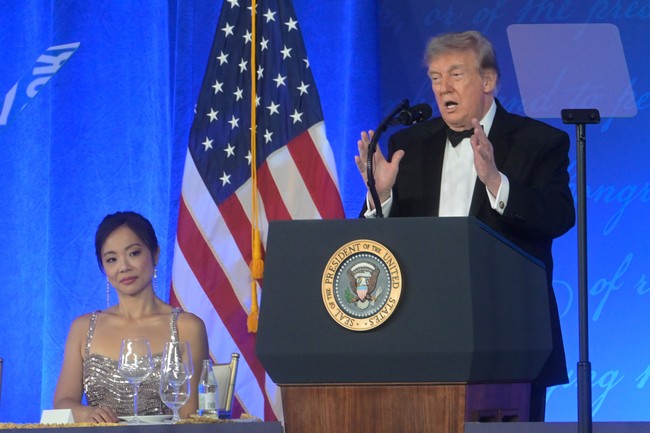
President Donald Trump has repeatedly stated that the United States does not seek a broader war but will respond decisively to attacks against American forces and allies. The administration's strategy appears focused on degrading Iran's military capabilities while maintaining pressure on Tehran to return to negotiations.
For supporters of the administration, the latest response demonstrates a willingness to back American warnings with action. In international affairs, they argue, deterrence tends to work best when adversaries believe threats are more than carefully worded press releases.
The Strait of Hormuz and surrounding Gulf region remain among the world's most strategically important areas, making any military confrontation there a matter of global concern. Energy markets, shipping routes, and regional security all stand to be affected by further escalation.
As events continue to unfold, the possibility of additional military action remains high. For now, however, Washington's message is unmistakable: attacks on American forces and allies will be met with a response, and the United States intends to maintain pressure until Iran changes course or reaches a diplomatic solution.
With a second day of strikes underway and regional tensions at their highest levels in months, the world is watching closely to see what happens next.