The persistent, unchecked aggression of Iran-backed Houthi insurgents has reached a critical point, forcing the United States to order the mandatory departure of some diplomatic personnel and their family members from American missions across Saudi Arabia. This unsettling directive is a stark acknowledgment of the escalating threat posed by a rogue proxy force, emboldened by its benefactors in Tehran, and operating with increasing impunity against a vital American ally.
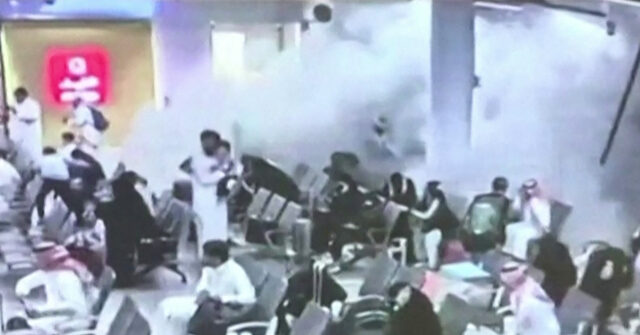
The latest wave of Houthi terror saw a devastating attack on King Fahd International Airport in Dammam, claiming two lives and injuring eight others. This wasn't an isolated incident but the latest in a chilling series of drone and missile strikes targeting Saudi civilian airports – a clear violation of international norms and a direct threat to regional stability.
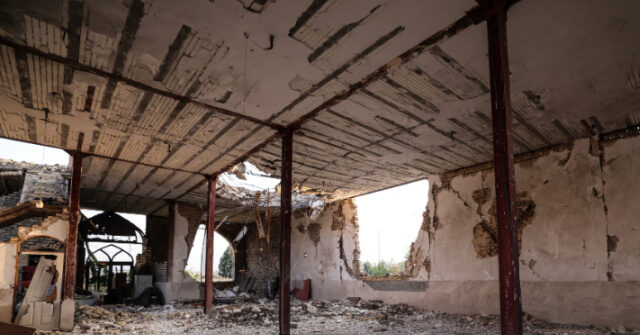
The Saudi national oil company, Aramco, also found itself in the crosshairs, reportedly evacuating staff from its headquarters in Dhahran. Dammam, the site of the airport attack, sits a mere ten miles from Aramco’s corporate nerve center. Just last week, Houthi missiles seriously damaged the Aramco building, demonstrating the insurgents’ capability and audacity. While the facility remained operational and some staff initially stayed, "nonessential" employees were quickly shifted to remote work.
On Thursday, sources close to Aramco confirmed that all remaining employees at the Dhahran headquarters had been instructed to work from home until further notice. "There was an evacuation order issued for these staff; no specific reason was given," one source noted, underscoring the gravity of the situation as the Houthis continue their campaign of intimidation.
This surge in attacks isn't just about infrastructure; it's about sowing chaos and testing the resolve of the region and its allies. Saudi military officials reported intercepting four Houthi drones targeting the vicinity of the Muslim holy cities of Mecca and Medina on Thursday. The audacity of threatening Islam's most sacred sites with drones in September provoked outrage across the Muslim world, yet concrete action remains frustratingly absent.
State Department spokesman Tommy Pigott confirmed the mandatory departure order for "non-emergency U.S. government employees and their family members," explicitly linking the escalation to "Iranian-supported Houthis" and their "hostilities against Saudi Arabia, including attacks on civilian airports and other critical infrastructure resulting in civilian casualties and severe travel disruptions." The spokesman, however, downplayed reports of similar evacuations elsewhere, perhaps to avoid broadcasting the full extent of the regional instability.
The grim reality, as Chatham House research fellow Farea al-Muslimi pointed out, is that Saudi Arabia, despite its sophisticated military, faces immense difficulty defending its vast territory against a "relatively small nonstate actor" that can "impose enormous costs without having to spend very much themselves." This asymmetry highlights a dangerous global trend where proxies, armed and directed by malevolent state actors like Iran, can wreak havoc with minimal repercussions for their sponsors.
The economic fallout is already tangible. Aramco stock slid, the Saudi National Bank saw a significant loss, and the Saudi benchmark stock index experienced its largest single-day drop in over two years. The United Arab Emirates also felt the tremor, with markets in Dubai and Abu Dhabi posting losses. This financial instability further underscores the profound consequences of allowing Iran and its proxies to destabilize the Middle East.
America First foreign policy demands strength and unwavering support for our allies, particularly against state-sponsored terror. The necessity of evacuating U.S. personnel from Saudi Arabia serves as a stark reminder of the urgent need for decisive action against those who threaten peace and prosperity in a region critical to American interests and global energy security. This ongoing aggression by Iran-backed forces must be met with resolve, not retreat, to restore deterrence and protect our allies from the architects of chaos.