The message from the United States at the United Nations this week was unmistakable: the days of empty condemnations and diplomatic hand-wringing are over. During an emergency U.N. Security Council meeting on Thursday, U.S. officials issued a blunt warning to Iran as protests and brutal crackdowns continue across the country—making it clear that under President Donald Trump, America is not afraid to act.
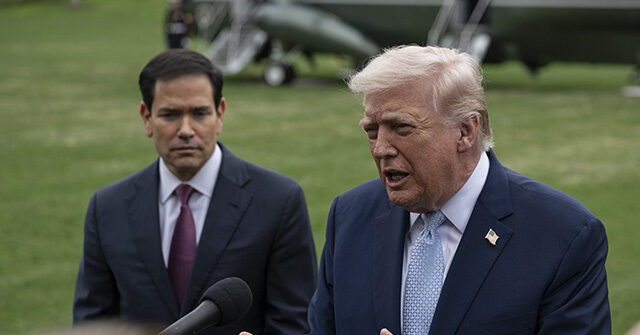
Facing Iranian officials directly, U.S. Ambassador to the U.N. Mike Waltz reminded the council that President Trump is “a man of action, not endless talk,” a not-so-subtle jab at the U.N.’s long history of issuing statements while dictators keep killing their own people. Waltz stressed that Trump has made it clear that all options are on the table to stop what activists describe as mass slaughter by the Iranian regime—and that Iran’s leadership knows it.
The U.S. was joined by Iranian dissidents and human rights advocates in condemning Tehran’s violent crackdown on nationwide protests. Activists estimate that at least 2,677 people have been killed, with some figures placing the death toll as high as 12,000. Even by the regime’s own grim standards, that’s staggering.
Waltz’s remarks came as Trump signaled that the killing may be slowing, suggesting a potential de-escalation—but without backing away from pressure. By Thursday, protests appeared to be largely smothered under an intense security presence, while the government-maintained internet and communications blackout remained firmly in place. Funny how transparency disappears the moment authoritarian regimes feel threatened.
Behind the scenes, diplomats from Egypt, Oman, Saudi Arabia, and Qatar reportedly spent the last 48 hours raising concerns with Trump about the economic and regional consequences of a U.S. military intervention. Trump listened—because strong leadership includes weighing consequences—but he didn’t retreat from holding Iran accountable.
Iran’s response at the meeting was predictable. Deputy Ambassador Hossein Darzi accused the U.S. of steering unrest and laying the groundwork for intervention under a so-called “humanitarian” narrative. It was the usual routine: deny responsibility, blame America, and hope the world ignores the bodies.
But that narrative fell apart when Iranian dissidents Masih Alinejad and Ahmad Batebi addressed the council at the U.S.’s request. In a moment that cut through diplomatic theater, Alinejad confronted the Iranian representative directly, stating that the regime had tried to kill her three times—including an attempted assassination at her home in Brooklyn. The Iranian official stared straight ahead, saying nothing. Silence, in this case, said plenty.
Batebi delivered equally harrowing testimony, describing torture in Iranian prisons, including guards cutting his body and pouring salt into the wounds. He told the council he could show the scars if they doubted him. Both dissidents urged the international community—and President Trump specifically—not to abandon the Iranian people.
“You encouraged people to go into the streets,” Batebi told Trump. “That was a good thing. But don’t leave them alone.”
Russia was the lone Security Council member to defend Iran’s actions, urging the U.S. to stop intervening—an unsurprising stance from a country with its own well-documented allergy to human rights.
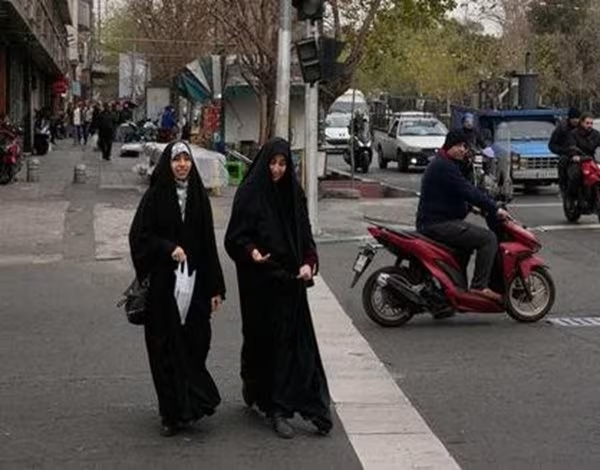
Meanwhile, new videos of protests have largely stopped emerging from Iran, likely due to the overwhelming presence of security forces. In Tehran, witnesses reported quiet mornings, no new debris, and fading gunfire—less a sign of peace than of suppression.
According to the U.S.-based Human Rights Activists News Agency, the death toll continues to rise and now exceeds any other period of unrest in Iran in decades, rivaling the chaos of the 1979 Islamic Revolution. The Iranian government has offered no official casualty figures.
In response, the U.S. announced new sanctions on Iranian officials accused of directing the crackdown, including the secretary of Iran’s Supreme Council for National Security. The Group of Seven and the European Union signaled they are also considering additional sanctions to increase pressure on Tehran’s theocratic rulers.
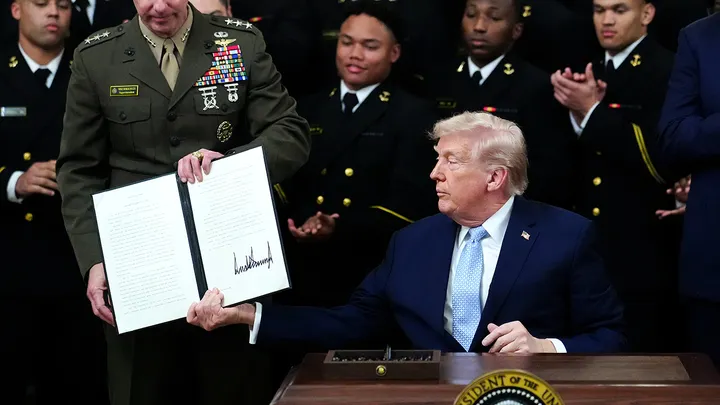
Once again, the contrast is clear. While others worry about optics and statements, President Trump is applying real pressure—sanctions, accountability, and a credible warning that America will not tolerate mass slaughter disguised as “internal affairs.” And for the Iranian people risking their lives for freedom, that clarity and resolve may matter more than any speech ever delivered in that chamber.