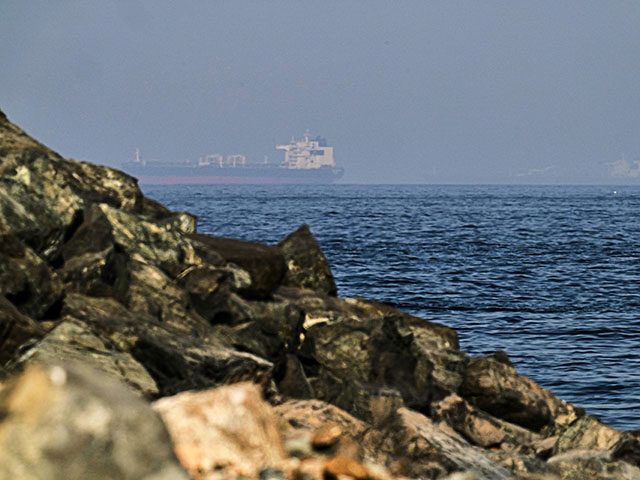
The United Arab Emirates appears to have found a way to outmaneuver growing Iranian threats in the Strait of Hormuz — by using the same “shadow fleet” tactics long employed by Iran and Russia to dodge sanctions and surveillance.
According to Reuters, several oil tankers operated by the Abu Dhabi National Oil Company (ADNOC)
successfully transported at least six million barrels of crude oil through the highly volatile shipping corridor without interference from Iranian forces.
The operation reportedly relied on classic shadow fleet methods, including disabling ship tracking systems and conducting ship-to-ship oil transfers at sea to conceal cargo movements and final destinations.
In other words, the Gulf states are now giving Iran a taste of its own playbook.
The shipments reportedly involved four tankers carrying UAE crude oil. Reuters stated the oil was either transferred at sea to other vessels heading toward Southeast Asian refineries, unloaded into storage facilities in Oman, or delivered directly to refineries in South Korea.
The Strait of Hormuz remains one of the world’s most strategically important maritime chokepoints, with a massive percentage of global oil shipments passing through the narrow waterway each day. Tensions in the region have escalated dramatically following recent confrontations involving Iranian forces and U.S. naval operations.
As Iran continues threatening commercial shipping and attempting to project control over the strait, regional players appear increasingly willing to adapt unconventional methods to keep oil flowing and avoid disruptions to global energy markets.
Ironically, the same tactics Western officials spent years condemning when used by Russian and Iranian vessels are now being quietly adopted by U.S.-aligned Gulf partners trying to protect vital energy exports. Geopolitics has a funny way of turning “dangerous loopholes” into “creative logistics solutions” depending on who’s using them.
The successful movement of millions of barrels despite regional instability also highlights a broader reality: global energy markets are continuing to adapt around Iranian pressure tactics rather than surrendering to them.
Meanwhile, the United States under President Donald Trump has maintained a hardline stance against Tehran, repeatedly warning that attacks on shipping lanes or U.S. assets will trigger direct consequences.
And while Iran continues attempting to flex its influence in the Gulf, the latest tanker movements suggest regional allies are finding ways to keep commerce moving — even if it means borrowing a few tricks from the very regimes they’re trying to avoid.