The drumbeat of censorship from across the Atlantic grows louder, as the United Kingdom, fresh off a controversial conviction, is now attempting to strong-arm American tech companies into silencing a voice on platforms hosted right here in the United States. It's a brazen act of foreign government overreach, and it puts the First Amendment squarely in the crosshairs.
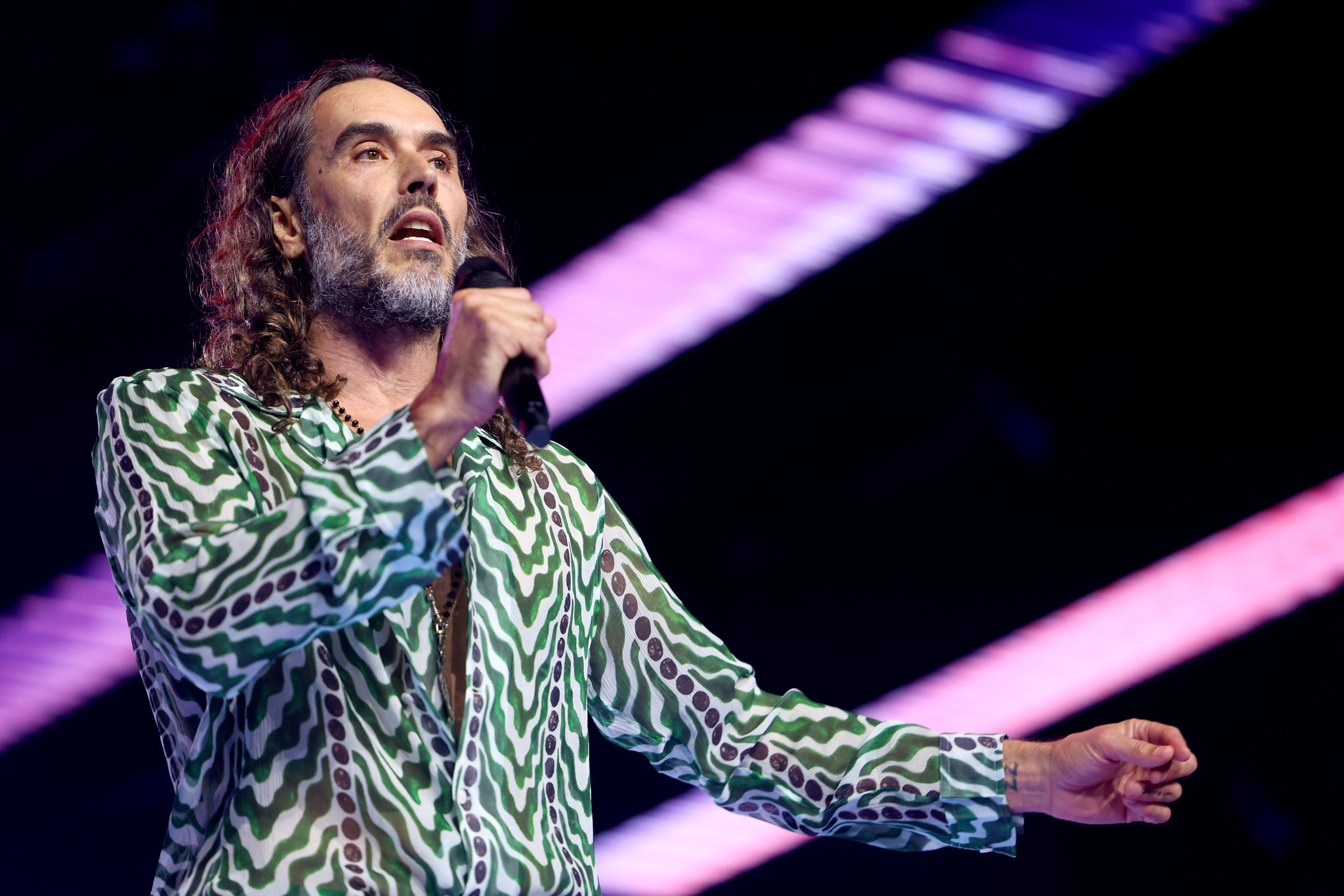
Russell Brand, once a flamboyant comedian and now an ardent anti-establishment commentator, was recently convicted of one count of rape and three counts of sexual assault in a British court, receiving a sentence of over ten years. While the justice system delivered its verdict, the U.K. government quickly moved beyond the courtroom, extending its reach into the digital public square.
Just days after his conviction, Brand's wife, Laura, delivered a defiant message to his more than six million YouTube subscribers. From behind bars, Brand maintained his innocence. The immediate response from the British government? A direct request to Google: erase his words from American screens. This isn't just about a single conviction; it’s a chilling attempt to dictate what Americans can say, or even see, online. When foreign powers believe they can muzzle speech on U.S. platforms, our foundational First Amendment is undeniably on trial.
The demand for censorship came from the U.K. prison service, utilizing what the BBC described as an "established mechanism" with tech giants. While reports vary on whether a government minister directly met with Google, the message was clear and insistent.
A Ministry of Justice spokesman boldly stated, "It is only right that the Government asks for content that is distressing for victims to be taken down and we strongly believe YouTube should remove this content." Prime Minister Andy Burnham piled on, calling on companies to "show some decency and take these videos down."
Housing Minister Matthew Pennycook, however, was forced to admit to BBC Breakfast, "We don't have any power to mandate a removal of content. That is up to Google." Yet, the badgering continued, all under the flimsy pretext that "victims shouldn't have to see this content."
This argument collapses under even the slightest scrutiny. A convicted man declaring his innocence, especially while legal appeals are often still an option, causes no significant harm that warrants such an extreme measure. Defendants routinely maintain their innocence post-verdict. A truly free society protects that right. And, importantly, nobody is forcing Brand's alleged victims, or anyone else for that matter, to click on his videos.
But the British left, true to form, couldn't resist. Labour MP Jess Phillips openly suggested a second "Online Safety Act" is "very likely." The first act, passed in 2023, already forces websites with British users – including American ones – to police "illegal" and "harmful" content, empowering the U.K. communications regulator, Ofcom, to levy hefty fines for non-compliance. Even Conservative leader Kemi Badenoch pushed back, stating, "Immediately demanding that private platforms take down without looking at whether a law has been broken is not where I would start from." Apparently, some common sense still resides in London.
Google told the BBC, "We're aware of the new content and our teams are investigating." While the BBC reported Google had initially denied the request, Pennycook downplayed any suggestion of refusal. As of Tuesday morning, the video remained online. Meanwhile, Big Tech companies have taken varied approaches. Meta swiftly disabled Brand's Facebook, Instagram, and WhatsApp accounts post-sentencing, citing policy violations. Yet, his X account remains live, a testament to at least one platform’s commitment to free expression.
This isn't the first time the U.K. government has tried to weaponize American tech platforms. When allegations against Brand first surfaced in 2023, even before charges were filed, YouTube demonetized his account. Caroline Dinenage, chair of the House of Commons Culture, Media, and Sport Committee, then wrote to Rumble, explicitly asking "whether Rumble intends to join YouTube in suspending Mr. Brand's ability to earn money on the platform."
Rumble, to its credit, "emphatically rejected" the request. They rightly declared, "We regard it as deeply inappropriate and dangerous that the UK Parliament would attempt to control who is allowed to speak on our platform or to earn a living from doing so." Rumble stood firm for free speech, understanding the perilous precedent. What began with attempts to demonetize has now predictably escalated to full-blown demands for digital erasure – and all through American websites. This is precisely how censorship gains its insidious foothold.
Thankfully, the Trump administration took decisive steps to counter such foreign censorship of Americans. In May 2025, then-Secretary of State Marco Rubio unveiled a groundbreaking policy to restrict visas for foreign nationals who engage in censorship of Americans. He declared it "unacceptable for foreign officials to demand that American tech platforms adopt global content moderation policies or engage in censorship activity that reaches beyond their authority and into the United States." That December, five Europeans, including former EU Commissioner Thierry Breton, were added to the State Department's list of banned individuals for their role in the "global censorship industrial complex." Yet, thanks to Obama-appointed Judge James Boasberg of the U.S. District Court, this crucial policy is currently on pause, a stark reminder of judicial obstruction.
On the legislative front, Rep. Michael Rulli, R-Ohio, introduced the GRANITE Act (H.R. 10174) in August, which would wisely prohibit U.S. courts from recognizing or enforcing any "foreign censorship law." As Rulli rightly stated, the Constitution "does not bend to Brussels or London." With the specter of a second Online Safety Act looming, the questions raised by the GRANITE Act are no longer hypothetical; they are urgently pressing.
This is not, and never was, just about Russell Brand. This is about due process. This is about American sovereignty. The U.K. is perfectly capable of running its own prisons and protecting its victims within its own borders. What it absolutely cannot do is dictate what you, or any American, can watch or say on an American platform. If they can silence him, they can silence anyone. American companies must draw a hard line and refuse these demands. They should also publish regular, transparent reports detailing every government takedown request they receive, including the requesting entity, the content targeted, and the outcome. The fight for free speech in the digital age is paramount, and America must lead the charge against the globalist censors who seek to undermine our fundamental rights.