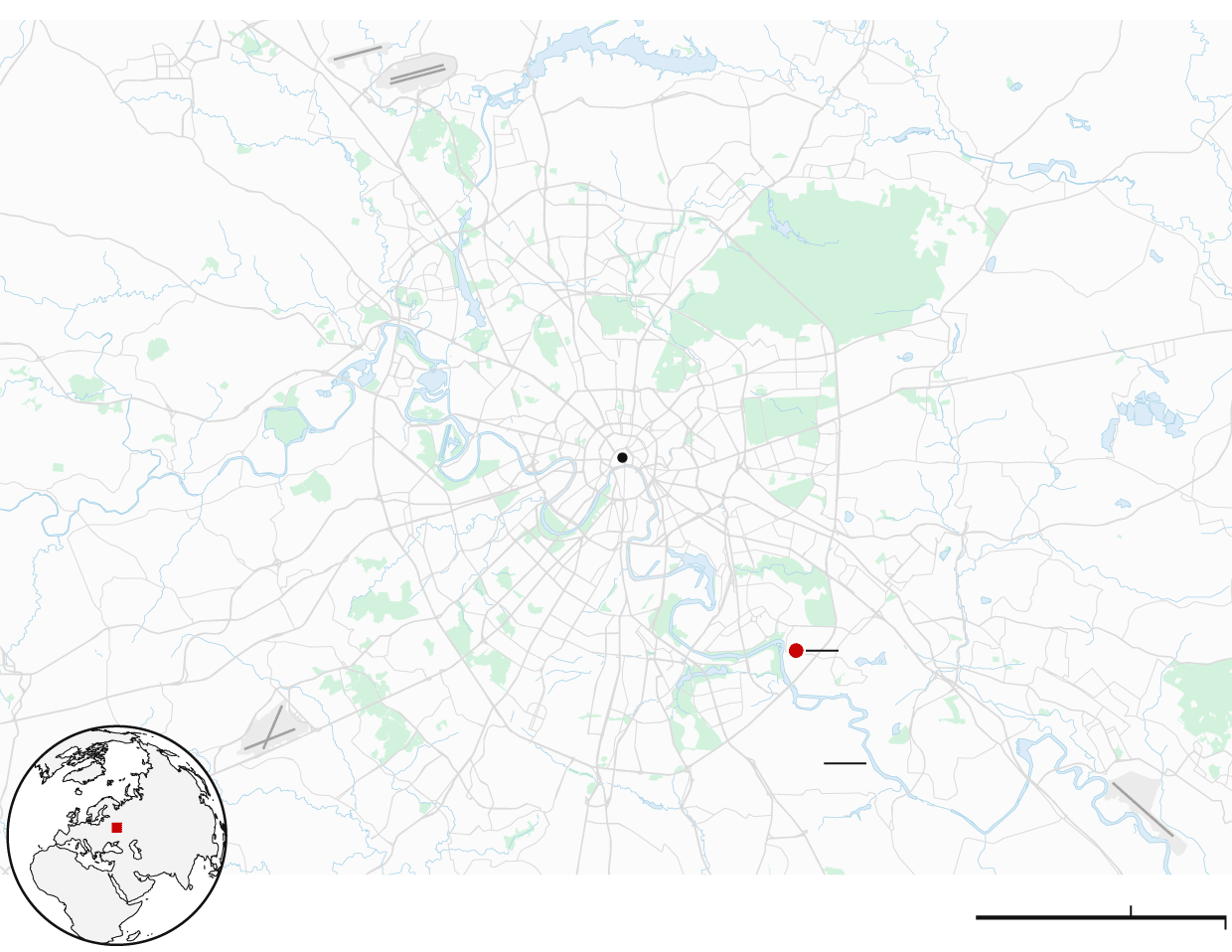
Ukraine carried out what has been described as its largest air raid on Moscow since the beginning of Russia’s full-scale invasion, with long-range drone strikes hitting multiple locations across the Russian capital and surrounding areas.
According to reports, one of the most significant targets was a major oil refinery in Moscow’s Kapotno district, where the attack reportedly triggered a fire and disrupted operations.
The strike also led to evacuations at Russia’s largest airport as authorities responded to the unfolding situation.
Ukrainian President Volodymyr Zelenskyy said the operation came in response to Russia’s recent strike on a historic monastery complex in Kyiv earlier this week, framing the attack as retaliation within the broader conflict.
For many residents in Moscow, the scale of the operation appeared unexpected. Reports indicated the city, unlike some other conflict zones, does not typically issue air raid alarms, leading to confusion and anxious reactions across social media as the attacks unfolded.
The operation marked another example of how the war continues reaching deeper beyond traditional front lines, with strategic infrastructure increasingly becoming part of the battlefield.
Modern warfare keeps reminding the world that distance no longer guarantees predictability — and major cities are discovering that conflicts rarely stay contained forever.
As the conflict continues, attention now turns to how both sides respond and whether renewed diplomatic efforts can eventually create a path toward stability rather than continued escalation.