In a move that underscores the persistent efforts to obstruct President Donald Trump’s America First vision, U.S. District Judge Tanya Chutkan has slammed the brakes on plans for a magnificent triumphal arch near Arlington National Cemetery. This decision, handed down by an unelected federal judge, highlights the deep-seated bureaucratic resistance faced by any project seeking to honor American greatness.
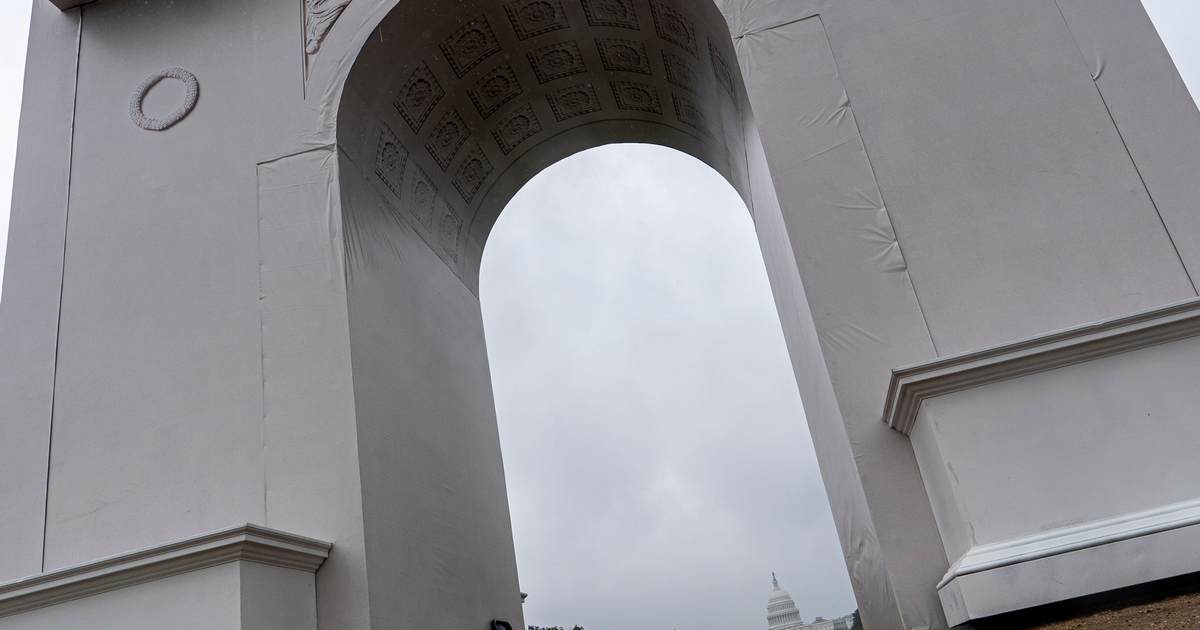
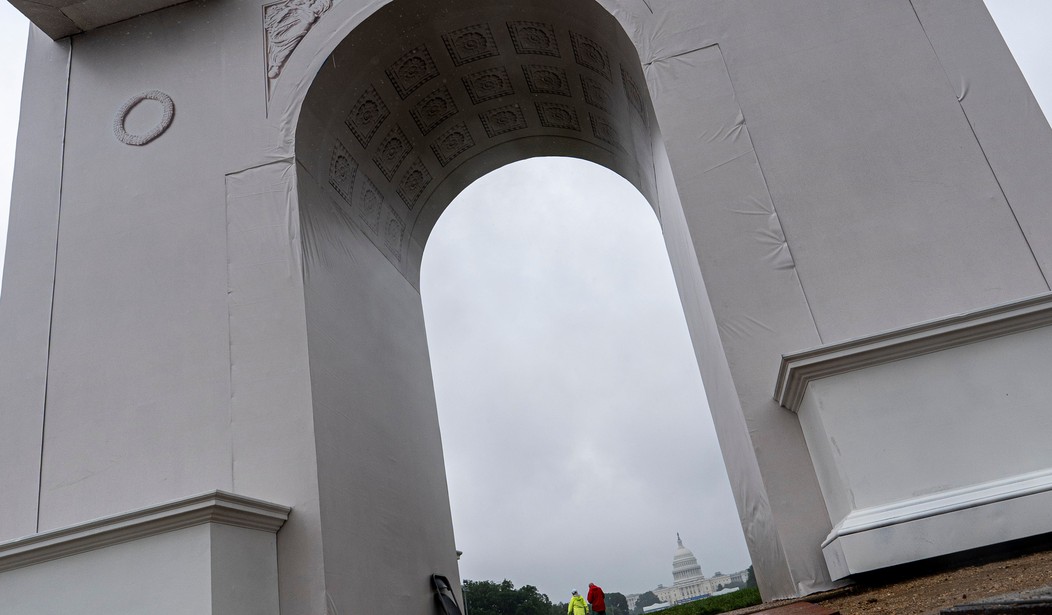
At the heart of this dispute lies a familiar tactic: weaponizing antiquated laws against progress. Judge Chutkan issued a temporary restraining order (TRO) halting construction of the proposed 250-foot arch at Memorial Circle, the very nexus connecting Arlington Memorial Bridge to the sacred grounds of Arlington National Cemetery. The ruling stems from two consolidated lawsuits – one from a trio of Vietnam veterans and an architectural historian, and another from the reliably left-leaning District of Columbia and Virginia. Their arguments contend the project would disrupt traffic, strain emergency services, and damage the area's historic character – concerns that ring hollow against the backdrop of a monument celebrating America’s enduring legacy.
The central question, as framed by the administration, is whether existing law already grants the authority for such a monument, or if Congress must once again weigh in. The Trump administration, championing a bold vision for America’s 250th birthday, firmly asserts its authority. It points to a 1925 law that authorized the construction of the Arlington Memorial Bridge, a piece of legislation that specifically contemplated two 166-foot columns at what is now Memorial Circle. While those columns were never built, the administration argues, logically, that the original authorization remains perfectly sufficient to support a new arch.
But logic, it seems, is often a casualty in the corridors of power when the America First agenda is on the line. Judge Chutkan, rather predictably, found herself dubious at best.
Her reasoning includes the rather baffling assertion that a 250-foot arch is considerably higher than the originally planned 166-foot columns – as if architectural ambition is now a judicial matter. Furthermore, she claims it would obstruct a historic view that the original plans sought to preserve. One might wonder if celebrating America’s quarter-millennium mark is now deemed an obstruction by some. The judge also conveniently highlighted that the 1925 legislation authorized a bridge, not a massive monument. Because, apparently, a decorative gateway celebrating history and potentially serving as a national security asset can't evolve from initial bridge plans. Because, of course they did.
To further complicate matters, Congress subsequently enacted the Commemorative Works Act, which generally requires specific congressional authorization for monuments on federally administered land in the nation's capital. Chutkan found that the proposed arch likely falls squarely within that law, seemingly ignoring the spirit of the previous authorization when it suits a political agenda.
Adding a touch of strategic brilliance, the administration also argued the structure could serve as a tourist attraction, a decorative gateway, and a national security facility. Defense Secretary Pete Hegseth and Homeland Security Secretary Markwayne Mullin both submitted declarations outlining potential security functions. Yet, Judge Chutkan, ever the skeptic, noted that these justifications surfaced only recently and questioned how a brief delay would compromise national security for a project expected to take years to complete. Apparently, securing America needs a permission slip from the judiciary.
Unsurprisingly, the judge determined that D.C. and Virginia had demonstrated likely success on their statutory claim and would suffer irreparable harm if construction proceeded. This is the playbook: invent harm, find a sympathetic judge, and block anything that might genuinely benefit the American people or symbolize national pride.
It is crucial to remember that this is a temporary restraining order, not a final judgment forever dooming the arch. The Trump administration is fully expected to continue defending its statutory authority, and appellate review is not just possible, but highly probable. For now, however, President Trump’s vision for a powerful American monument stands obstructed. The administration may now face the absurd task of convincing a potentially Democrat-controlled Congress to authorize a project that should be a source of national unity and pride. This judicial overreach is a stark reminder of the constant battle against those determined to halt the America First mandate for change and progress.