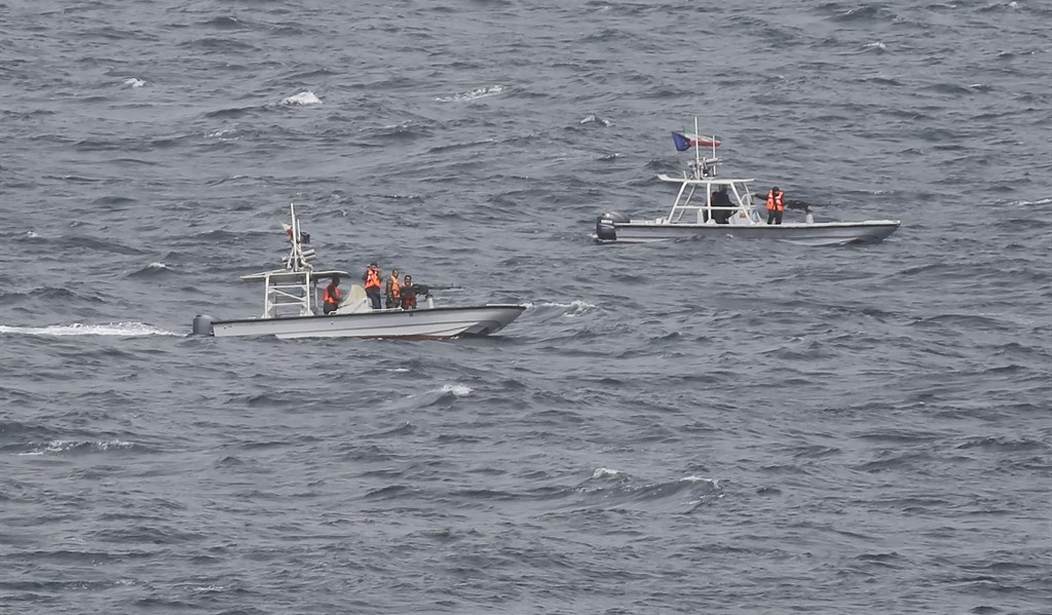
Tensions in the Middle East escalated this week after reports indicated that Iran has begun laying naval mines in the Strait of Hormuz, one of the most critical shipping lanes in the world. The move prompted immediate military action and strong warnings from the United States.
According to U.S. officials and multiple reports, Iranian vessels have started deploying a limited number of mines in the strategic waterway. Small boats capable of placing two or three mines at a time are believed to be involved in the operation. Estimates suggest Iran’s total stockpile could range from roughly 2,000 to 6,000 mines, although intelligence analysts acknowledge that number is largely an educated guess.
So far, about a dozen mines are believed to have been placed. But even a single mine can have a massive impact on global shipping. No commercial vessel wants to risk striking one, which means even a small number can effectively halt traffic.
President Donald Trump issued a clear warning about the consequences of such actions. He stated that if Iran has deployed mines in the Strait of Hormuz, they must be removed immediately or the country would face severe military repercussions.
“If Iran has put out any mines in the Hormuz Strait, and we have no reports of them doing so, we want them removed immediately,” Trump said. “If for any reason mines were placed, and they are not removed forthwith, the military consequences to Iran will be at a level never seen before.”
Around the same time that warning was delivered, U.S. Central Command carried out airstrikes targeting what has been described as Iran’s last operational Ghadir-class mini-submarine, signaling that Washington is prepared to act quickly to protect maritime traffic.
The threat to close the Strait of Hormuz has already rattled global energy markets. Oil prices surged to around $115 per barrel, nearly doubling from the typical $60 range. The reason is simple: roughly 20 percent of the world’s oil supply passes through this narrow passage between the Persian Gulf and the Gulf of Oman.
Shipping activity has reportedly dropped by about 97 percent since the mining threat emerged. Some ships have attempted to slip through by turning off their Automatic Identification System, the maritime tracking signal used to monitor vessel movements, until they clear the danger zone.
This is not the first time Iran has tried to disrupt the Strait. In 1987, during tensions in the Persian Gulf, the United States launched Operation Prime Chance to intercept Iranian forces laying mines. The conflict later escalated into Operation Praying Mantis after the U.S. Navy frigate USS Samuel B. Roberts struck a mine.
This time the United States is approaching the situation with a different set of tools and tactics. American mine-clearing ships are already in the region, and several Littoral Combat Ships are expected to play a central role in counter-mine operations.
The vessels involved include USS Canberra, USS Tulsa, and USS Santa Barbara. These ships are equipped with specialized counter-mine systems that include MH-60 Seahawk helicopters, unmanned surface vessels, advanced sensors, and remotely operated underwater systems designed to locate and neutralize mines.
Modern surveillance technology also gives the United States a major advantage compared to the 1980s. Continuous monitoring allows forces to track activity around the Strait in real time, making it far more difficult for hostile forces to deploy mines without being detected.
For now, the priority is speed. Every day that shipments are disrupted increases pressure on global energy markets and eventually translates into higher prices for consumers. Ensuring that shipping lanes remain open is not just a military objective—it is an economic one.
With U.S. forces already responding and the administration sending a firm message, the hope is that the situation can be contained quickly and that one of the world’s most important trade routes stays open for business.