The family of Charlie Kirk, the visionary founder of Turning Point USA, has taken a decisive stand, filing a searing notice of claim against Utah Valley University, the state, and key campus officials. This legal precursor to a full lawsuit lays bare allegations of stunning failures and reckless decisions that, according to the filing, directly led to Kirk's tragic assassination on campus.
The core of the family's claim asserts that UVU possessed explicit knowledge of a perilous rooftop security risk long before a lone gunman took the life of the 31-year-old conservative leader. This isn't just about general security; the filing highlights that the threat of a rooftop shooter should have been "especially top-of-mind given the attempted assassination of President Trump, Charlie Kirk’s close friend and political ally, by a rooftop shooter the previous year." The double standard here is chilling: the dangers facing prominent conservative voices were apparently dismissed.
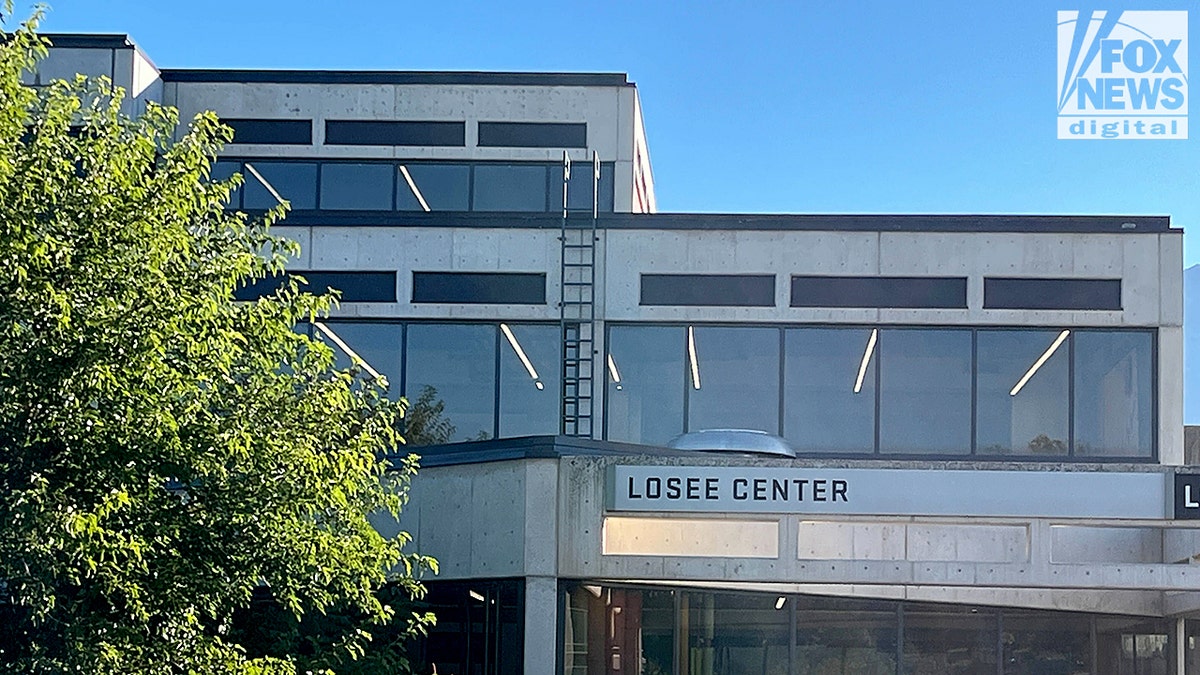
The legal document, signed by attorneys Loren Washburn, Brett Parkinson, and Clifford Parkinson, details a disturbing exchange. Turning Point USA organizers allegedly informed UVU Police Chief Jeffrey Long about student concerns regarding rooftop access to the Sorenson Center, a building "pretty close" to where Kirk would be speaking. The alleged killer fired from the Losee Center, just west of it. "If this is true, it would be nice to either have it controlled access or allow one of my guys to be there as well," a TPUSA organizer reportedly wrote to the chief. Long's alleged reply? A concise and now haunting, "I got you covered." This promise, the filing argues, was tragically broken.
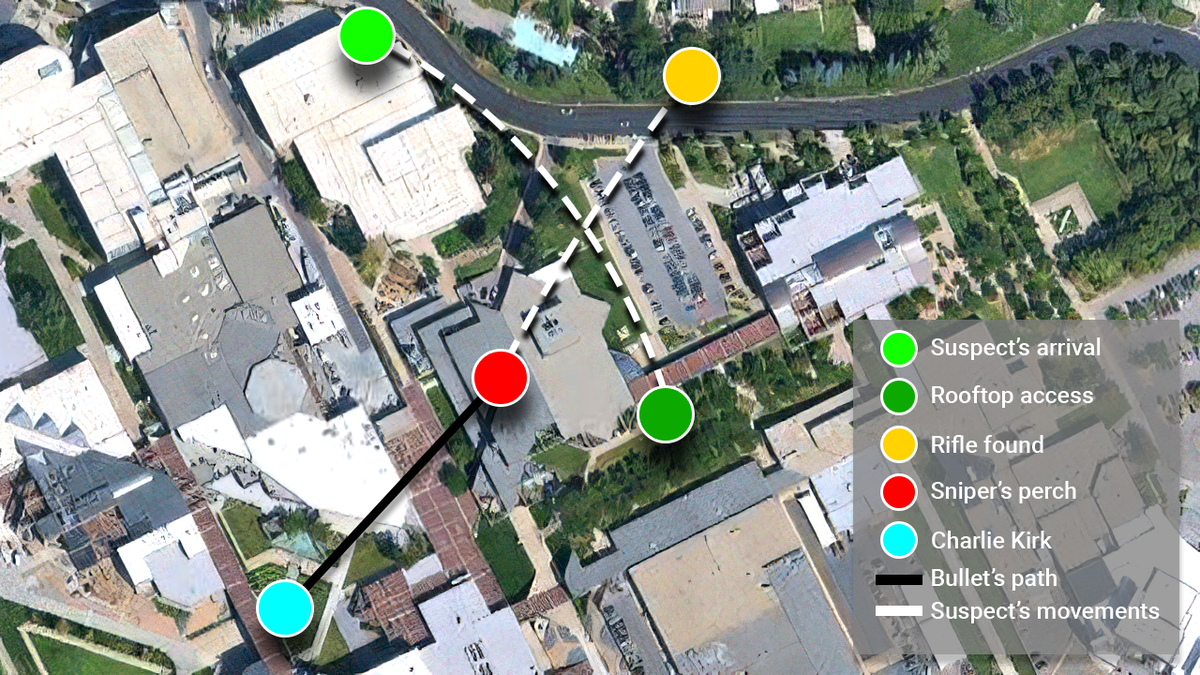
On September 10, 2025, Kirk, a father of two, was struck down in the campus courtyard by a shot fired from a sniper’s perch on the Losee Center rooftop. The accused, 23-year-old Tyler Robinson, has pleaded not guilty. But for Kirk's family, this was an entirely preventable tragedy.
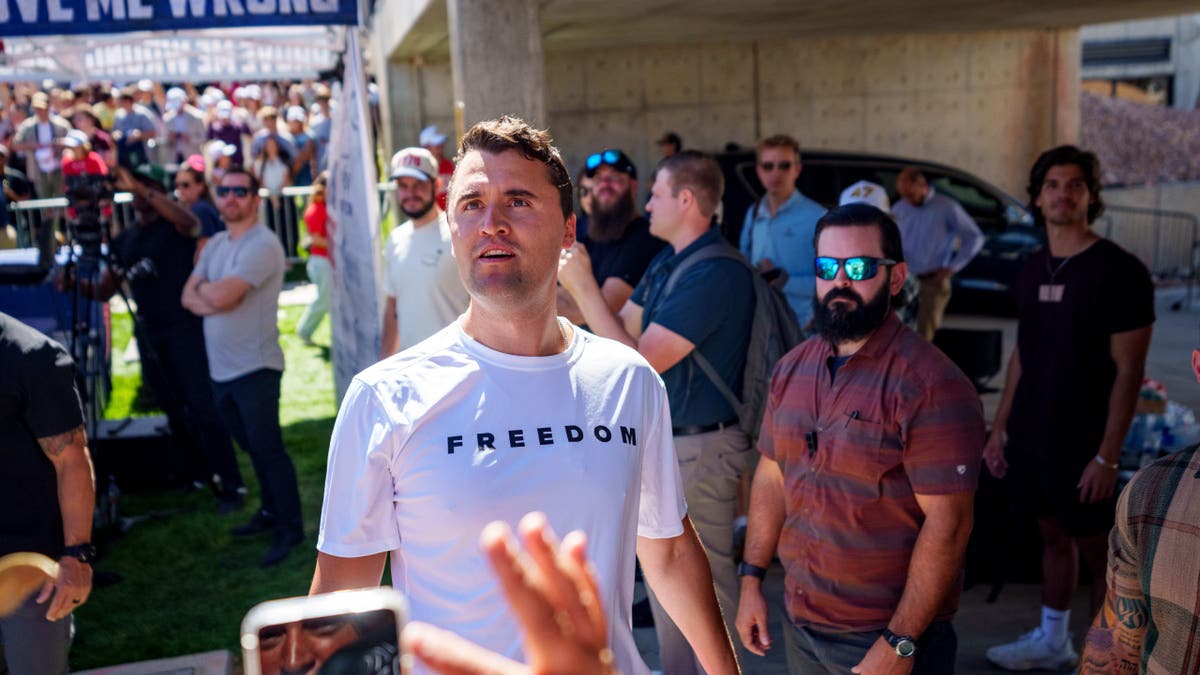
"His murder was entirely preventable and, in fact, would not have happened had the State of Utah and UVU followed through on their stated security promises, which included protecting the rooftops surrounding the quad where Charlie was speaking," stated Brett Parkinson, counsel for the Kirk family. "Those failures not only robbed Charlie Kirk of his life, but also robbed his family of their husband, father, son, and brother, with impacts that will compound for the rest of their lives."
The prospective plaintiffs include Kirk's widow, Erika Kirk, and their two children, with potential claims from his parents. The filing doesn't specify monetary damages but significantly raises a claim of "state-created danger" under the U.S. Constitution – a grave accusation implying the state's actions, or inactions, directly contributed to the peril.
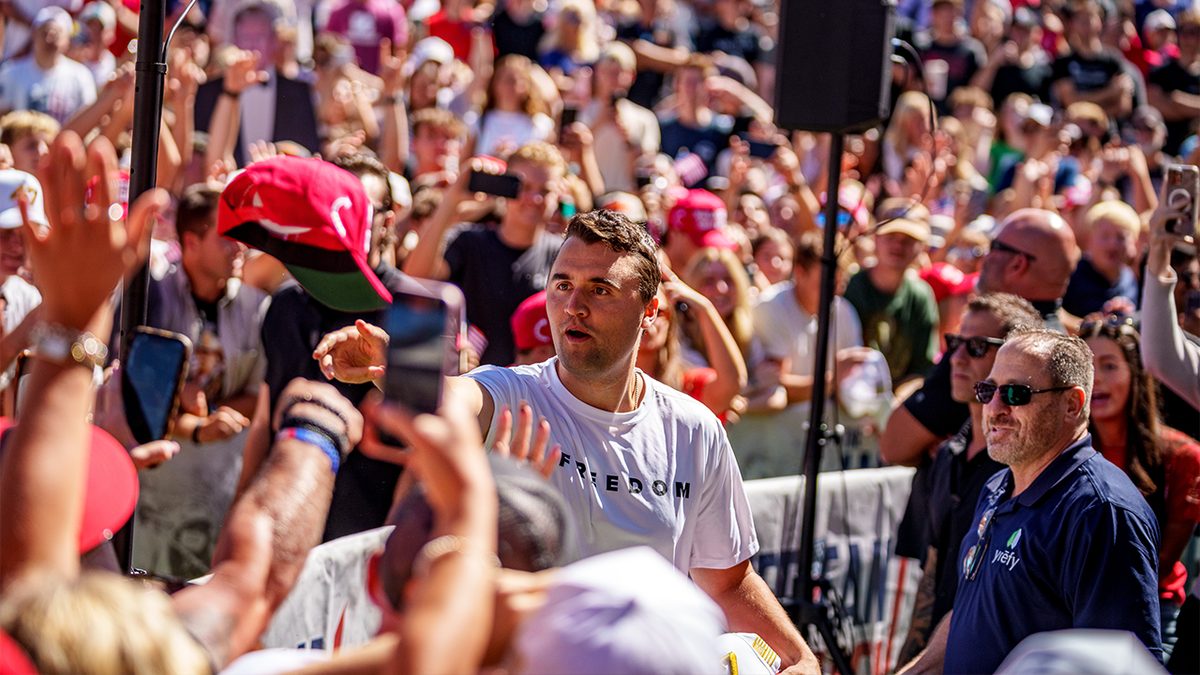
UVU, in a brief and expected response, stated it is "aware of the notice of claim" and that it "addresses legal matters consistent with our established processes." Such institutional boilerplate offers little comfort to a grieving family seeking accountability.
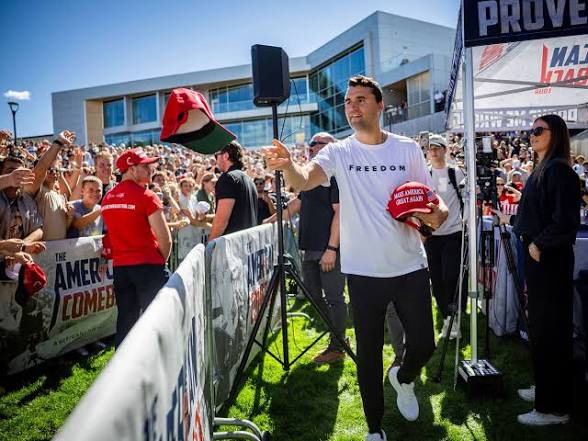
Kirk, who built TPUSA into a national conservative powerhouse, was a prominent figure, speaking at multiple Republican National Conventions and befriending top political leaders, including President Trump. He was a man who understood the threats he faced, publicly stating in May 2025, "You should not have to walk around with security for your entire family and for myself just because you support a politician or political candidate or certain values." He added starkly, "We get death threats. People want to murder us."
The filing points to a wider climate of political violence at the time, referencing attempts on President Trump’s life, the attack on Paul Pelosi, and other violent incidents. Yet, against this backdrop of escalating danger for conservative voices, "the UVU Parties failed to rise to the occasion," allegedly creating "a foreseeable danger to Charlie" through a series of "stunning failures and reckless decisions."
Among the catalog of alleged negligence:
- A failure to conduct a meaningful risk assessment or grasp the significance of Kirk's high-profile visit.
- No written security plan or pre-event security briefing by campus police.
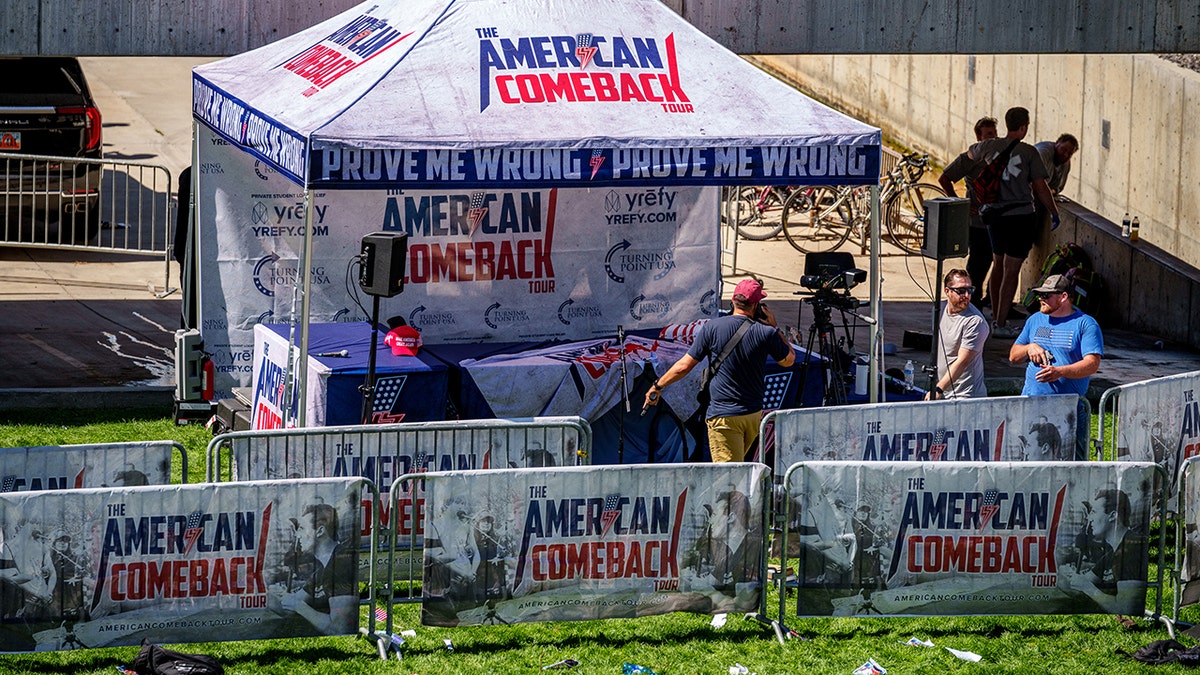
- Placing Kirk in a "fishbowl" outdoor quad, surrounded by tall buildings, despite safer indoor alternatives used for past controversial speakers.
- Assigning only six campus police officers for an event that drew approximately 3,000 spectators – a mere 25% of the UVU police force.
- UVU President Astrid Tuminez allegedly denying Chief Long's request for more officers, with no effort to seek assistance from neighboring departments.
- First responders being unavailable after the shooting, forcing Kirk to be transported in a private vehicle, not an ambulance.
- The school's failure to use its "exclusive power" to establish a security perimeter, deploy physical barriers, or utilize metal detectors—basic security measures common at campus sporting events.
- A campus security camera system that was not monitored in real time, lacking drones for rooftop surveillance. Crucially, post-incident review of footage showed the alleged shooter running across the Losee Building roof to a "sniper’s nest." Had this been monitored, the filing claims, "Kirk’s tragic death could have been avoided."
- The Losee Center rooftop remained unsecured despite warnings to the police chief about its accessibility and evidence of frequent, unauthorized use by students.
These alleged institutional failures, the family asserts, directly placed Charlie Kirk in mortal danger. "He was legally entitled to believe that when the UVU Parties approved the Tour event to be held on campus on September 10, that the UVU Parties would only hold the event in a venue and with associated security measures that made the event safe for him to attend and participate in," the notice states. "Instead, Mr. Kirk was exposed to the danger of a rooftop shooter that took his life."

This case is a stark reminder of the escalating dangers facing conservative voices in America today, and the profound responsibility institutions bear in protecting free speech, especially when it challenges prevailing narratives. The Kirk family’s pursuit of justice is not just for Charlie, but for every American who believes in accountability and the fundamental right to speak freely without fear of institutional negligence leading to fatal consequences.