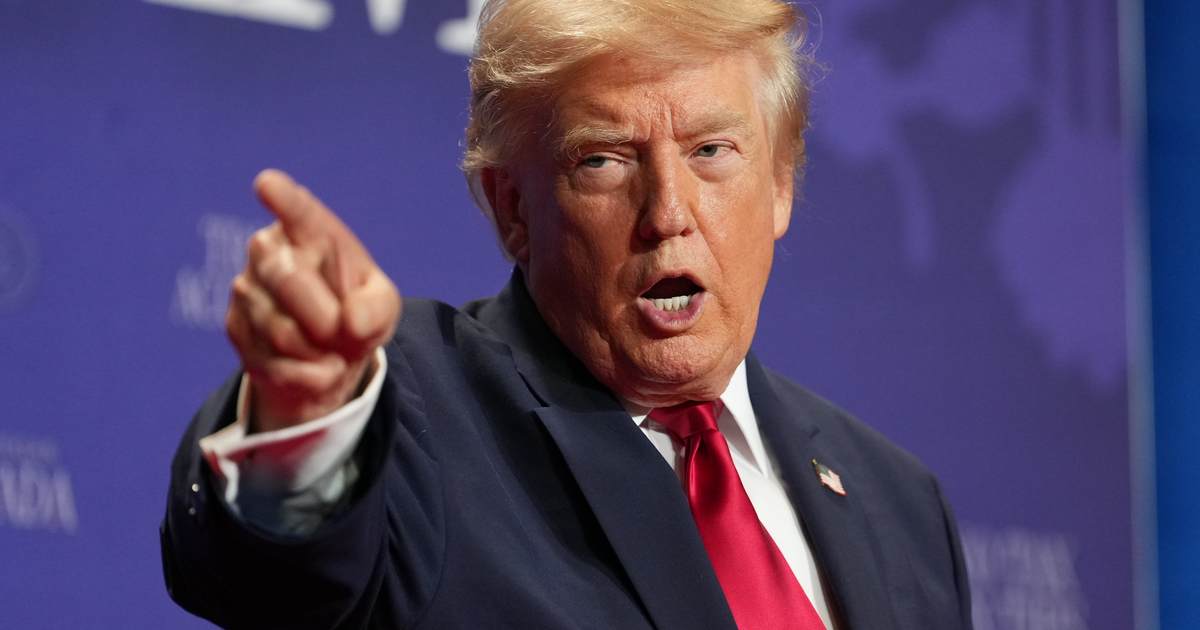
The Supreme Court delivered a blow to election integrity efforts on Monday, rejecting the Trump administration's emergency bid to enforce crucial U.S. Postal Service (USPS) restrictions on mail-in ballots. This decision, leaving a lower court's nationwide block in place, throws a shadow over the upcoming 2026 midterm elections and raises serious questions about the transparency and security of our voting process.
President Trump had previously directed the USPS to develop new, stronger standards for handling election mail — a common-sense move aimed at safeguarding the ballot box. These vital rules, finalized in late August, sought to standardize federal ballot mail with an election-mail logo, high-speed scan capability, and a unique barcode for each voter. Furthermore, they would have required state and local election officials to submit envelope designs to the Postal Service for review and upload basic voter information to an online USPS portal. These measures were designed not to hinder voting, but to prevent fraud and ensure every legitimate vote counts, a principle that should unite all Americans.
According to the proposed USPS rule, any mailings failing to comply would be returned to election officials for correction, ensuring a higher standard of accuracy. Yet, these necessary safeguards faced immediate resistance, with an election expert accusing judges of trying to "run out the clock" on these crucial reforms and attorney Gregory Teufel arguing federal courts had "overstepped their authority" in blocking their implementation. This sentiment echoes the broader frustration among those who believe secure elections are paramount.
In its brief order, the Supreme Court stated that the government was "unlikely to succeed on the merits" for purposes of obtaining emergency relief. While Justice Brett Kavanaugh agreed with the decision to keep the rules on hold, he notably indicated that the USPS may, in fact, have the statutory authority to impose such requirements. "In my view, based on the briefing the Court has received at this interim stage, there is at least a fair prospect that the final rule falls within the Postal Service's statutory authority," Kavanaugh wrote. However, he concluded that attempting to apply the rules during the 2026 elections would be "arbitrary and capricious" due to a perceived lack of time for implementation by state and local officials. It seems common sense needed a permission slip, or perhaps, an extended deadline.
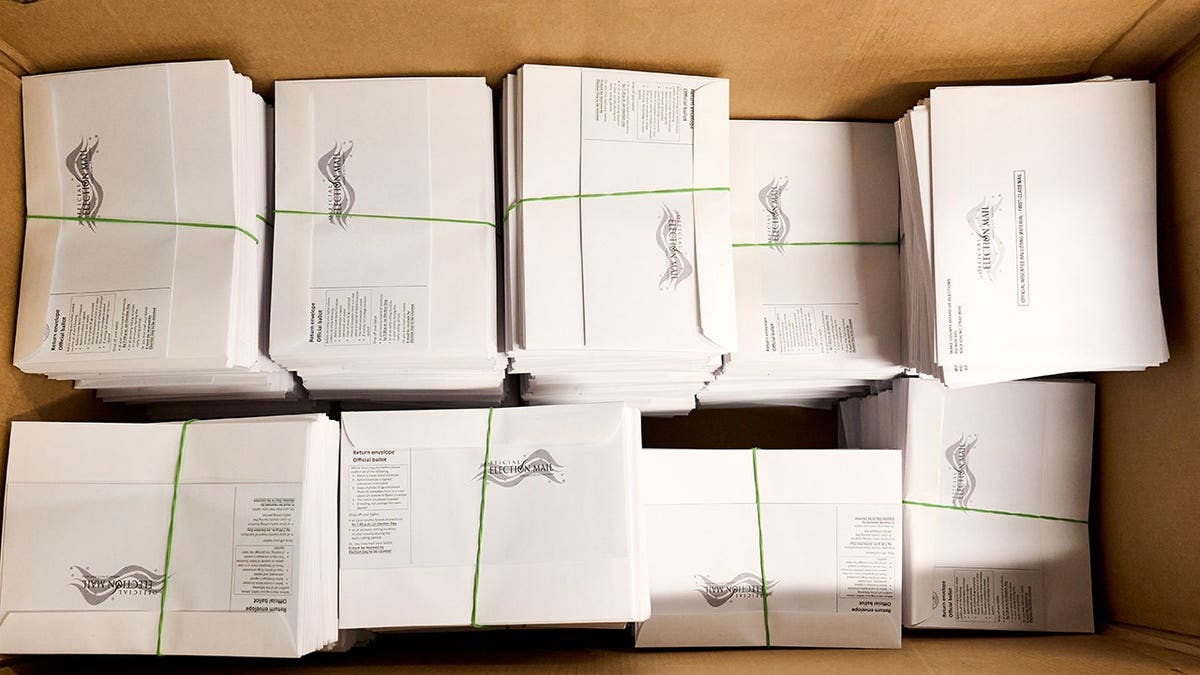
This technicality, however, doesn't diminish the pressing need for ballot security. A large box of pre-assembled mail-in ballots at the Wake County Board of Elections in Raleigh, N.C., just days before a past election, serves as a stark visual reminder of the scale and potential vulnerabilities of unstandardized mail-in voting.
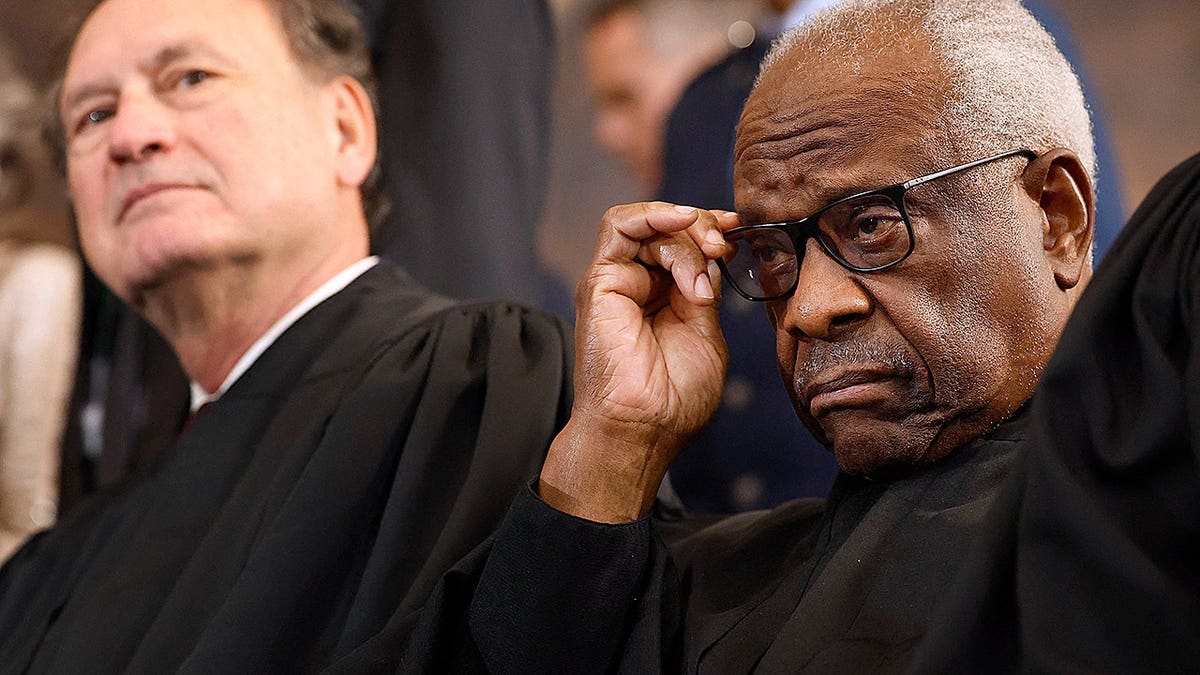
Justices Samuel Alito and Clarence Thomas provided a sharp dissent, arguing robustly that some of the plaintiffs lacked legal standing and that the remaining challengers were pursuing what the court has previously termed a "Hail Mary pass." Justice Alito firmly asserted, "The Government has made the showings necessary for a stay, so I respectfully dissent." He emphasized the USPS's broad authority to regulate mail and warned that the government would suffer "irreparable harm" if a reversal came too late for the midterms. Their dissent highlights a fundamental disagreement within the highest court on the urgency of protecting our electoral processes.
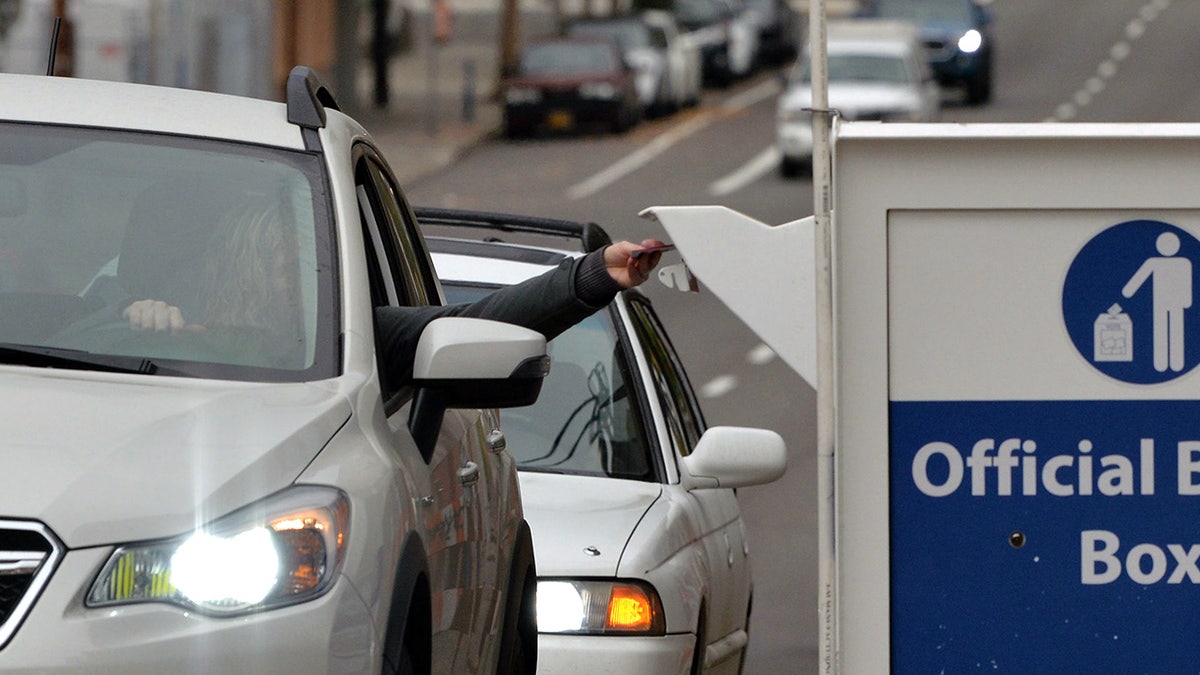
Oregon residents drop off their ballots, a scene that has become commonplace across the nation, underscoring the vital importance of ensuring every ballot box, physical or virtual, is beyond reproach.
Predictably, Democratic officials swiftly moved to celebrate the Court's procedural blocking as a "victory." New York Attorney General Letitia James declared that the Supreme Court "protected one of our most fundamental, inalienable rights – the right to make your voice heard at the ballot box." She conveniently ignored the part about securing that ballot box. Senate Minority Leader Chuck Schumer, ever the partisan, called it "one of the most important cases to protect voting rights" and, in a remarkably unbecoming display for a sitting senator, proclaimed, "Trump’s plan to make it harder to vote was obviously unconstitutional." He added, with a dismissive flourish, "The President’s attempt to screw around with vote by mail was obscene. Finally, his scheme is dead. Trump: you lost another one."
Such rhetoric from the Left only serves to underscore the deep partisan divide on election integrity, framing common-sense security measures as "making it harder to vote." The reality is, securing elections should be a bipartisan priority, not a political football. The fight to protect the sanctity of the American vote continues, and with the 2026 midterms looming, the American people deserve clarity, security, and a system they can trust. This Supreme Court decision may delay necessary reforms, but it cannot diminish the unwavering commitment of America First patriots to ensure free, fair, and secure elections for all.