About Us
Imagen destacada
  • Politics
By 4ever.news
12 hours ago
Vance Says Iran Deal Hinges on Actions as 60-Day Deadline and Hormuz Strategy Shape U.S. Approach

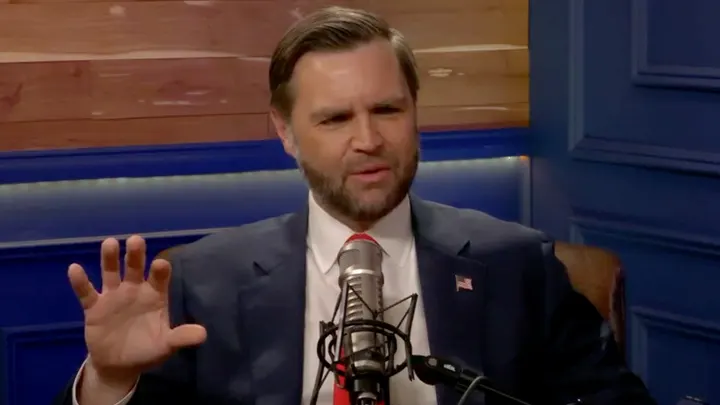
Vice President JD Vance said the Trump administration’s strategy toward Iran is built on one core principle: trust actions, not promises, as Tehran enters a 60-day evaluation period under a new agreement tied to the reopening of the Strait of Hormuz.

Speaking exclusively to Fox News Digital, Vance described Iran as effectively operating under a probationary framework, where potential economic benefits depend entirely on compliance with U.S. conditions.

“The thing I've learned from the President of the United States is whether friend or foe, you shouldn't trust anybody, you should trust people's actions,” Vance said.

He explained that the structure of the agreement is designed to reward behavior rather than rhetoric.

“That’s why the way this agreement is built is that if they act in the right way… they get a lot of benefits,” he added.

According to Vance, Iran faces two possible paths: comply with conditions such as halting nuclear weapons development and ending support for terrorist groups, or forfeit any economic relief tied to the deal.

“The Iranians have two pathways. If they behave like a normal country… then the United States is going to change our relationship with Iran,” Vance said, adding that sanctions relief and reintegration into the international community would be possible under compliance.
Vice President JD Vance said the Trump administration’s strategy toward Iran is built on one core principle: trust actions, not promises, as Tehran enters a 60-day evaluation period under a new agreement tied to the reopening of the Strait of Hormuz.  Speaking exclusively to Fox News Digital, Vance described Iran as effectively operating under a probationary framework, where potential economic benefits depend entirely on compliance with U.S. conditions.  “The thing I've learned from the President of the United States is whether friend or foe, you shouldn't trust anybody, you should trust people's actions,” Vance said.  He explained that the structure of the agreement is designed to reward behavior rather than rhetoric.  “That’s why the way this agreement is built is that if they act in the right way… they get a lot of benefits,” he added.  According to Vance, Iran faces two possible paths: comply with conditions such as halting nuclear weapons development and ending support for terrorist groups, or forfeit any economic relief tied to the deal.  “The Iranians have two pathways. If they behave like a normal country… then the United States is going to change our relationship with Iran,” Vance said, adding that sanctions relief and reintegration into the international community would be possible under compliance.  However, he emphasized that any deviation from those conditions—including attempts to rebuild nuclear capabilities or continue support for militant groups—would shut down those benefits.  Vance also pointed to the reopening of the Strait of Hormuz as a key factor strengthening the U.S. position, citing improving energy flows and declining prices.  “Oil is flowing, gas is flowing… We think within a week, two weeks, you're going to see the substantial resumption,” he said, noting that increased supply is expected to help push energy costs lower for American consumers.  The agreement reportedly includes the possibility of a large-scale investment framework for Iran, potentially involving private-sector participation, though officials stress that any economic engagement would depend entirely on verified compliance during the negotiating period.  For the administration, the message remains consistent: access to benefits must be earned through measurable actions, not declarations.  As the 60-day window unfolds, both sides are now operating under heightened scrutiny, with the outcome likely to shape not only U.S.-Iran relations but also broader regional stability and global energy markets.

However, he emphasized that any deviation from those conditions—including attempts to rebuild nuclear capabilities or continue support for militant groups—would shut down those benefits.

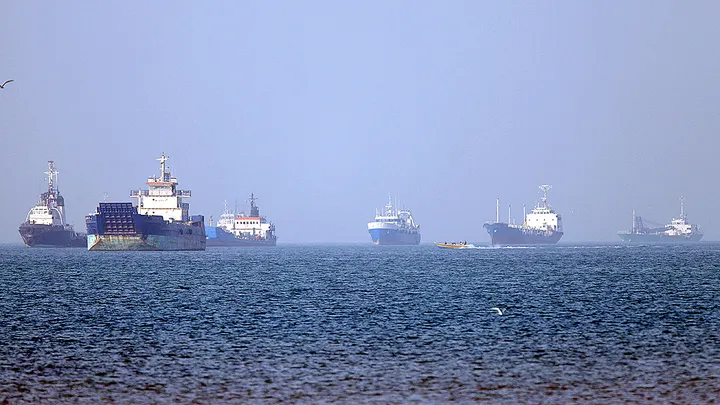
Vance also pointed to the reopening of the Strait of Hormuz as a key factor strengthening the U.S. position, citing improving energy flows and declining prices.

“Oil is flowing, gas is flowing… We think within a week, two weeks, you're going to see the substantial resumption,” he said, noting that increased supply is expected to help push energy costs lower for American consumers.

The agreement reportedly includes the possibility of a large-scale investment framework for Iran, potentially involving private-sector participation, though officials stress that any economic engagement would depend entirely on verified compliance during the negotiating period.

For the administration, the message remains consistent: access to benefits must be earned through measurable actions, not declarations.

As the 60-day window unfolds, both sides are now operating under heightened scrutiny, with the outcome likely to shape not only U.S.-Iran relations but also broader regional stability and global energy markets.