A devastating double earthquake has claimed over 4,000 lives in Venezuela, a tragic toll that lays bare the profound failures of the nation's socialist regime to protect its citizens and respond effectively to crisis. With state services long degraded by years of economic collapse and ideological mismanagement, the already struggling country now faces a monumental recovery effort it appears utterly unequipped to handle.
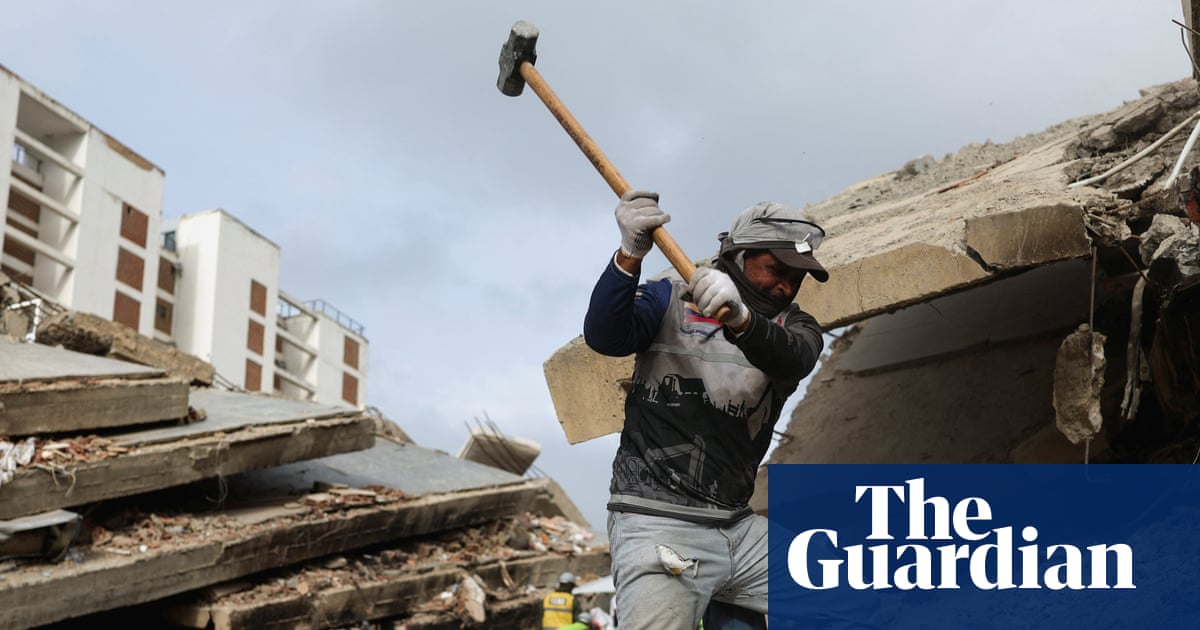
The government officially announced on Friday that the death toll from the back-to-back quakes, which struck on June 24, has soared past 4,000. Specifically, 4,118 people are confirmed dead, with another 16,740 injured and thousands more unaccounted for. These seismic events—a 7.5-magnitude shock followed just seconds later by a 7.2-magnitude quake, the strongest in Venezuela in over a century—utterly leveled entire high-rise apartment blocks in the coastal state of La Guaira.
While official rescue operations have ceased, desperate family members continue to sift through the rubble, clinging to the faint hope of locating their loved ones, if only to provide a dignified burial. Adding to the widespread panic, a 3.0-magnitude tremor recently rattled central Caracas, forcing building evacuations.
The sheer scale of recovery is staggering, a burden compounded by a government whose socialist policies have systemically dismantled its own infrastructure and services. The United Nations has been compelled to launch an urgent appeal for nearly $300 million to assist 1.3 million people in desperate need—a grim testament to the regime's inability to provide basic safety nets, let alone disaster relief. The bitter irony is not lost on observers: non-governmental organizations, once targeted by government repression, are now critical to the makeshift mobile kitchens, clinics, and field hospitals springing up in the hardest-hit areas of La Guaira.
With direct physical damage to housing and infrastructure estimated around an astronomical $37 billion, the country's acting president, Delcy Rodríguez, has predictably turned to the international community. She has called for the release of Venezuelan assets frozen abroad, even appealing to King Charles III to free approximately 30 tons of Venezuelan gold held under UK sanctions. It seems the socialist leaders who impoverished their nation now expect others to foot the bill for their predictable failures.
Despite the unfolding tragedy, Rodríguez has attempted to defend her government's emergency response, confidently assuring the public that the country would not descend into social unrest. This assertion rings hollow for many Venezuelans, who have expressed profound anger and frustration over what they perceive as their government's woefully inadequate handling of the disaster before international teams eventually arrived to pick up the pieces.
The catastrophic aftermath of these earthquakes is more than just a natural disaster; it is a stark, tragic display of what happens when a nation's foundational institutions are deliberately undermined by socialist ideology and unchecked government overreach. The people of Venezuela are paying the ultimate price for a regime that prioritized control and political posturing over preparedness, competence, and the well-being of its citizens. Accountability, it seems, remains a foreign concept in Caracas, even as its people bury their dead.