A disturbing viral subway video out of New York City is once again exposing a deeper problem plaguing major American cities: the steady collapse of basic social norms, public order, and accountability.
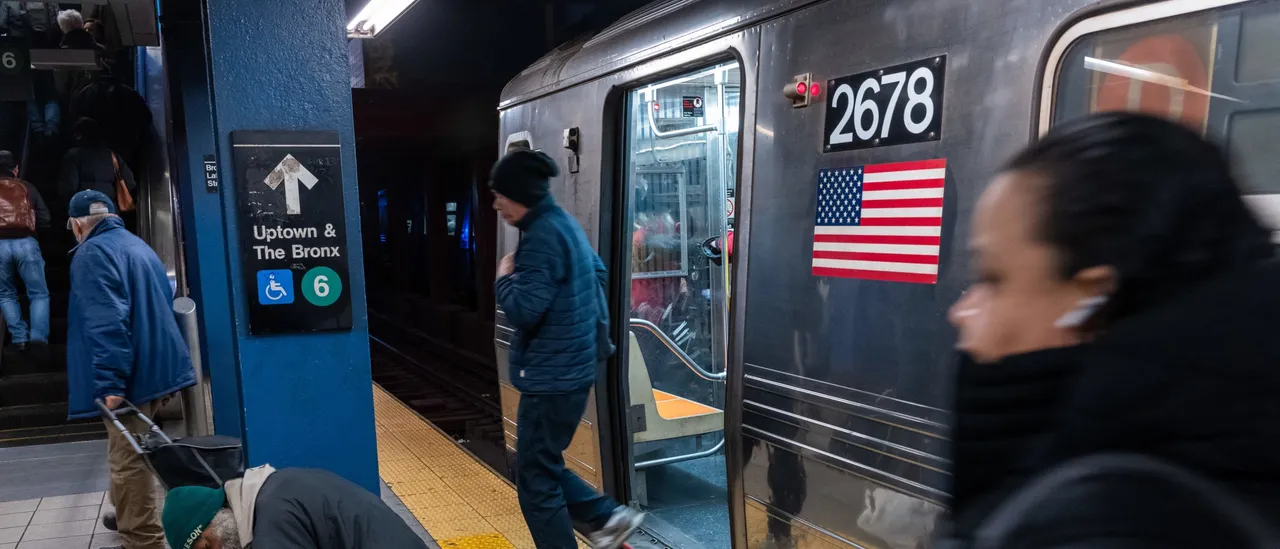
The video begins with a man loudly blasting music on a subway train while aggressively confronting another passenger who simply asked him to lower the volume. Instead of showing even the slightest respect for the people around him, the man immediately escalated into violent threats.
“You got your headphones on,” the aggressor shouted while waving his speaker at the camera. “I’ll cut your face open.”
The targeted passenger, meanwhile, remained remarkably calm, sitting quietly with headphones on while reading a book — a level of restraint that’s becoming increasingly rare in public spaces these days.
But the aggressor continued screaming threats and insults, repeatedly daring the man to respond while following him through the subway car.
And anyone who regularly rides public transportation in cities like New York already understands exactly what this behavior is about.
It’s not ignorance. It’s intimidation.
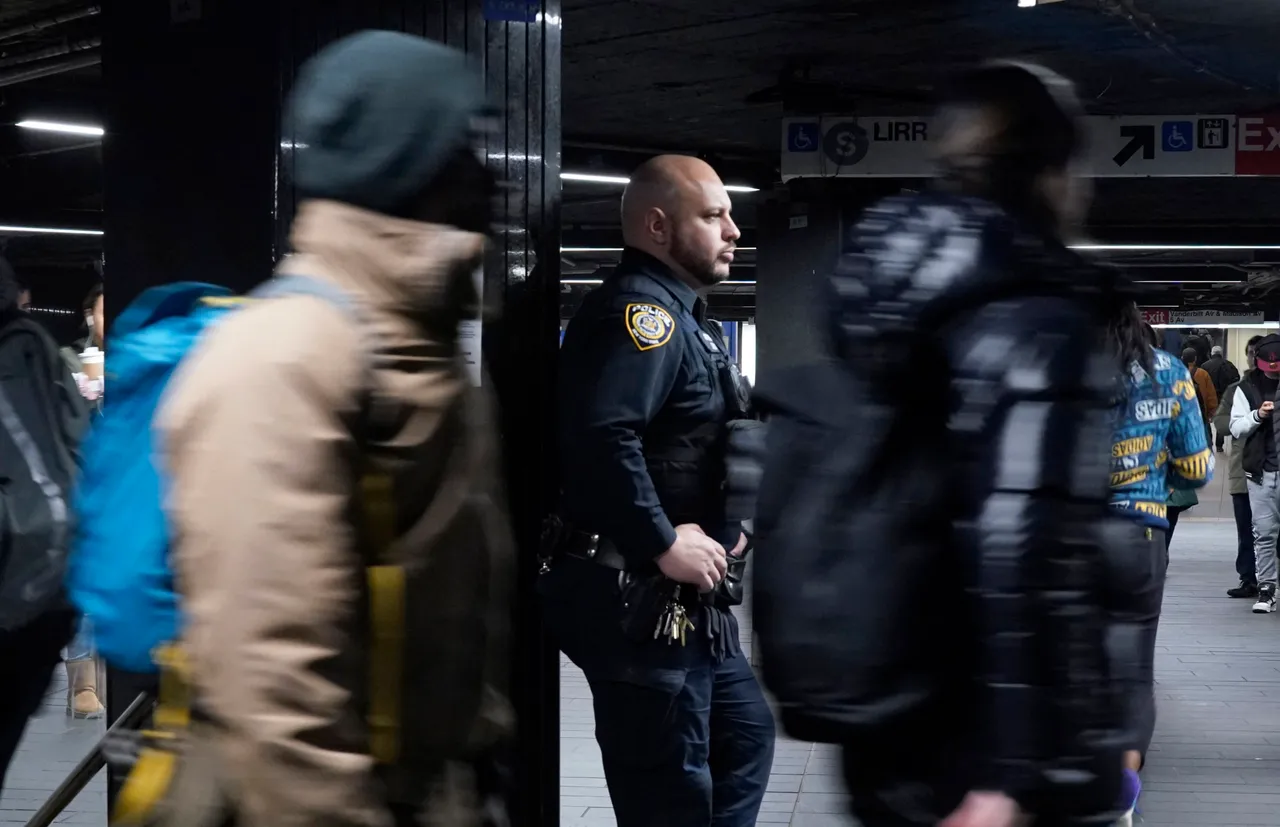
The goal is often to provoke confrontation while betting that most people are too exhausted, too afraid, or too conditioned by modern social pressures to say anything at all.
For years, Americans have watched activists and academics push the idea that enforcing basic standards of public behavior somehow constitutes oppression, “microaggressions,” or cultural intolerance.
That mindset has had consequences.
The article points to examples of left-wing academic thinking that increasingly treats requests for basic courtesy — like lowering excessive noise in shared spaces — as forms of social aggression rather than reasonable expectations for civilized public life.
One example highlighted comments from a 2022 Atlantic essay claiming “the sound of gentrification is silence,” arguing that requests to quiet down in shared spaces reflected broader social and racial tensions.
In other words, according to some activists, asking people not to scream, blast music, or disrupt everyone around them is now considered oppressive behavior.
That ideology has filtered into larger conversations about crime, disorder, and policing across America’s cities over the last several years.
The article also references arguments from prominent left-wing commentators who suggested crime and disorder are often merely “perceptions” shaped by racial bias rather than actual community problems.
But average Americans riding public transit every day know the difference between perception and reality.