
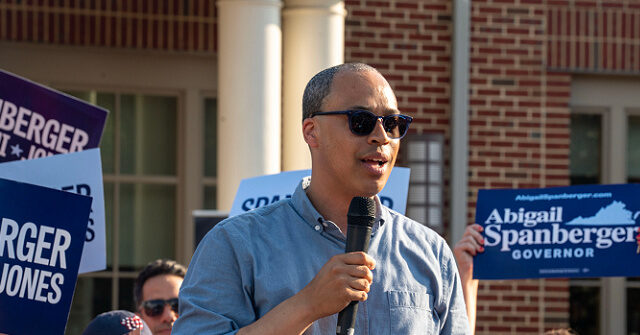
Well, when a simple yes-or-no question turns into a long political speech, you can usually guess what’s happening. That’s exactly what played out when Virginia Attorney General Jay Jones was pressed on whether the language used in the state’s redistricting measure may have been misleading.
During an appearance on CNN News Central, Jones was asked directly about criticism from a judge who argued that the ballot wording—specifically the phrase “restore fairness”—was “flagrantly misleading.” A pretty straightforward concern, right?
Instead of addressing that head-on, Jones pivoted. Repeatedly.
He emphasized that Virginia voters turned out in strong numbers, that both sides ran a “vigorous campaign,” and that the “yes” side ultimately prevailed with more than 1.6 million votes. In other words: the process happened, people voted, case closed.
Now, that’s all well and good—but it doesn’t exactly answer whether the wording itself may have influenced those voters in the first place.
When pressed further—this time with a more detailed breakdown pointing out that the new map could favor Democrats in 10 of the state’s 11 congressional districts—Jones stuck to the same line. He praised voter participation, highlighted the democratic process, and stressed his responsibility to defend the outcome in court.
What he didn’t do? Directly engage with the substance of the question.
Even the host pointed it out: “I don’t hear you answering the substance of my question.” And honestly, it’s hard to disagree.
To be fair, Jones made it clear his office is appealing the ruling and plans to move quickly to resolve the issue. He also expressed confidence that the courts will ultimately uphold what he calls the “will of the people.”
But here’s the bigger picture: when ballot language includes subjective phrases like “restore fairness,” it’s bound to raise questions—especially when the outcome appears to benefit one side significantly. That’s not exactly a minor detail voters might want clarity on.
At the end of the day, this isn’t just about one measure or one state. It’s about trust in the process. If voters are going to make informed decisions, the wording they’re given should be as clear and neutral as possible.
The good news? The issue is heading to court, where those questions will be examined more closely. And when that happens, we might finally get something that was missing here—a direct answer.
- Politics
By 4ever.news
Virginia AG Sidesteps Concerns Over “Misleading” Redistricting Language, Points to Voter Outcome
Trending News
- Politics
- Trump
Trump Rules Out Using Nuclear Weapons on Iran, Emphasizes St
23 hours ago- Politics
- Trump
Trump Secures Halt to Iran Executions of Female Protesters A
1 days ago- Politics
- Trump
Fed Nominee Kevin Warsh Says Trump Never Pressured Him on In
2 days ago- Politics
Today, April 21, all Virginia must vote
3 days ago
All About Trump
- Trump
Trump Extends Israel-Lebanon Ceasefire, Signals “Very Good Chance of Peace” After White House Talks
Well, for all the talk that peace in the Middle East is impossible, President Donald Trump just did what many said couldn’t be done—again. And yes, it involved actual diplomacy, not just statements and hashtags.Trump announced a three-week e 22 hours ago
- Trump