A convicted murderer, sentenced to 35 years for the brutal stabbing of a Texas teenager, is now claiming to be "penniless" while his family launches yet another fundraising drive, seeking a fresh $250,000 for his appeal. This comes despite a previous campaign that astonishingly raked in nearly $634,000, the expenditure of which remains largely shrouded in mystery.

Karmelo Anthony, 19, was convicted last month in the fatal stabbing of 17-year-old Austin Metcalf during a high school track meet in Frisco, Texas. The jury delivered justice, sentencing Anthony to decades behind bars for ending a young life. But now, the focus shifts from the courtroom to the opaque financial maneuvers surrounding his legal defense.
Anthony's family and supporters, fronted by attorney Russell Wilson, held a press conference in Dallas, Texas, to announce their latest appeal for public donations. The new fund is supposedly earmarked for legal fees, experts, and other costs associated with challenging Anthony's conviction. Wilson stated, "I think there's a misconception that the motion for new trial denial would have ended an appeal. It actually is part of an appeal."
The audacity of this new request, coming from a family whose prior fundraising efforts drew significant scrutiny, has raised more than a few eyebrows. The first GiveSendGo campaign, launched in April 2025, amassed a staggering $633,908 before being pulled from public view post-conviction.

Organized by Anthony's mother, Kayla Hayes, the original campaign aimed for nearly $1.4 million and vaguely listed uses for donations including "legal defense, moving the family, basic living expenses, transportation, counseling and security." GiveSendGo claimed the money was "distributed over the previous year for lawful purposes," but detailed accounting remained elusive. A convenient explanation, perhaps, for funds that simply vanished from public sight.
Now, with Anthony declaring himself a "penniless, destitute, and indigent person, too poor to employ counsel," the family's spokesman, civil rights activist Dominique Alexander, faced pointed questions about the previous half-million-dollar haul. Reporters pressed Alexander on claims that donations were used for personal acquisitions like a car or house.
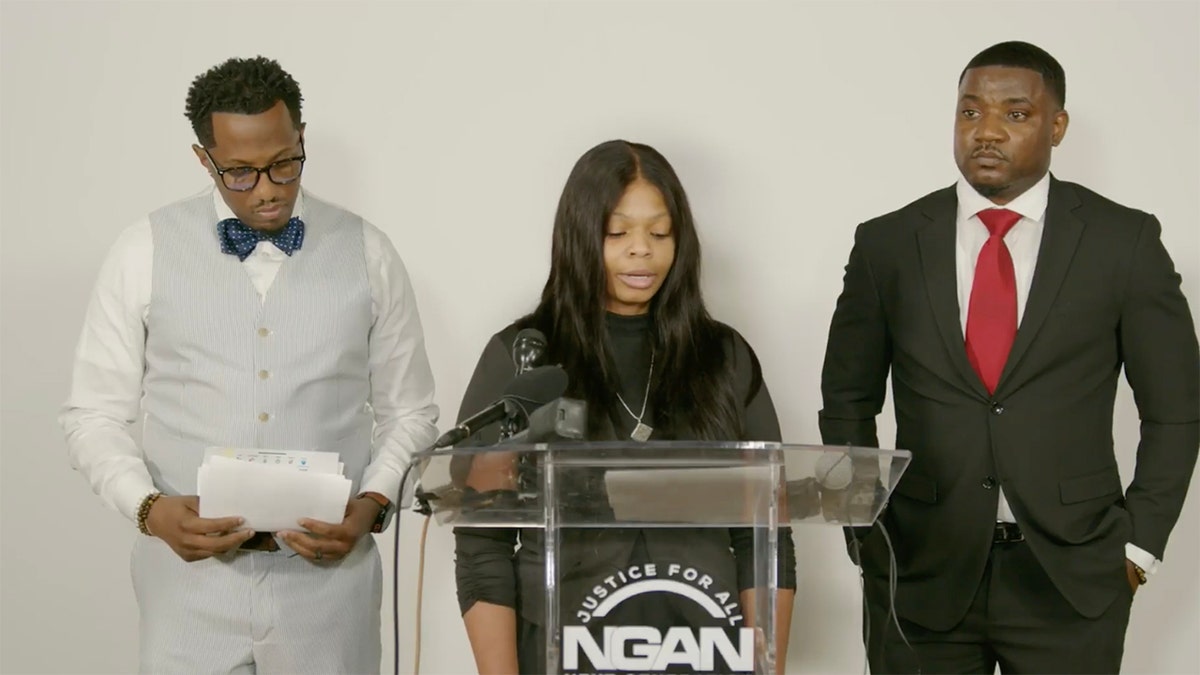
Alexander’s response was less than transparent. "These are deliberate lies," he declared, sidestepping the core question. When pressed further on the whereabouts of the previous funds, he conveniently "declined to explain the family’s fees or say whether any funds remained." Apparently, transparency is not a priority when appealing to the public for more money.
Alexander did offer a partial explanation, stating the original fundraiser helped the family relocate due to alleged threats. "That fund was established to not only help with the legal process, but also be able to relocate this family to safety," he said.
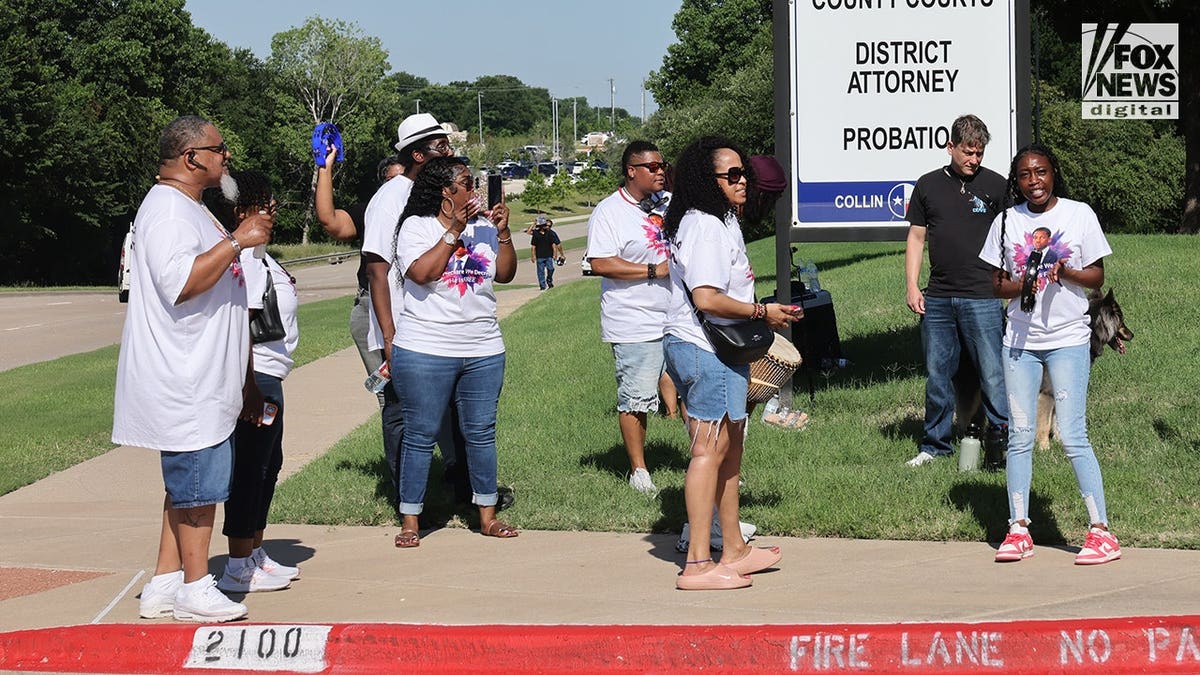
Meanwhile, public records previously reviewed revealed Anthony's parents, Andrew Anthony III and Kala Hayes, are connected to business entities in Louisiana and Texas. One Texas entity, listing Andrew Anthony III as its registered agent, became active just 24 days after Metcalf's death. While no wrongdoing has been proven regarding these entities or their connection to the funds, the timing and the current claims of indigence certainly raise legitimate questions about financial accountability.
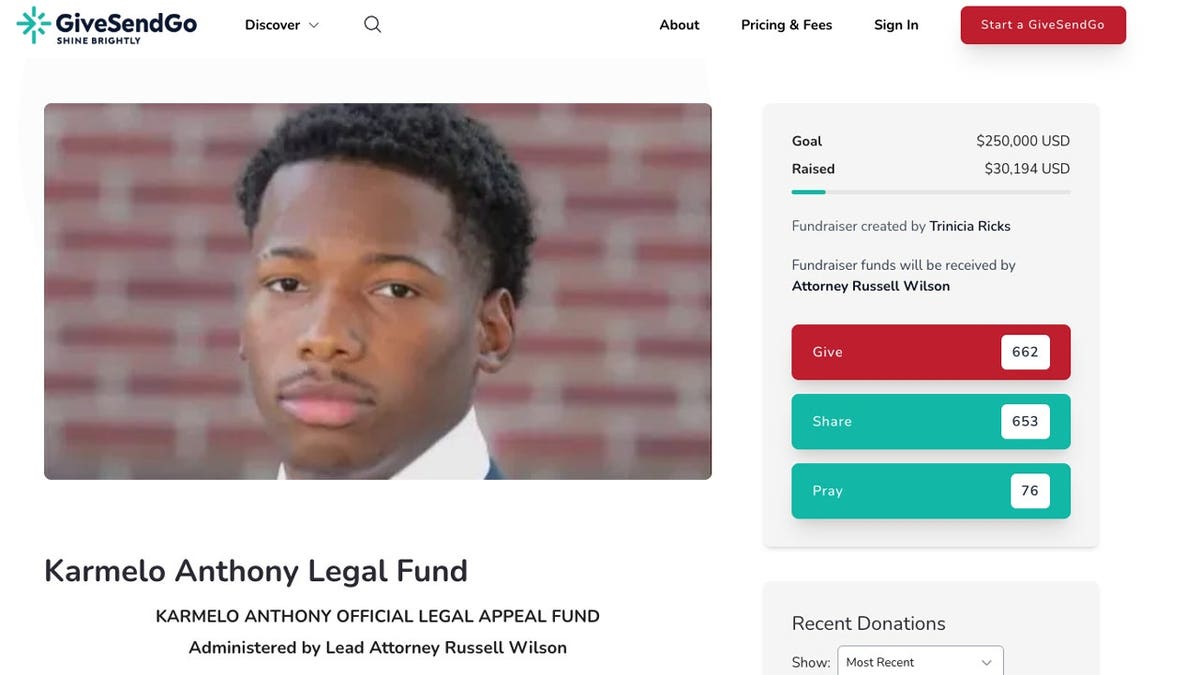
The new campaign page attempts to address some past criticisms, stating donations will go into an attorney trust account administered by Wilson, with the family having no control. The goal is set at $250,000, with $30,194 already raised at the time of reporting. Trinicia Ricks is listed as the campaign creator, with Wilson as the recipient.
The appeal process could stretch for over a year, with the trial record expected in October. Both sides will make their case in writing, potentially leading to a hearing at the Dallas Court of Appeals. As Anthony remains in custody, the public is left to wonder: where did the first half-million dollars go, and should the American people be expected to fund a new legal battle when basic questions of financial transparency remain stonewalled? This case is a stark reminder of the need for absolute accountability and common sense, ensuring that justice, and public trust, are not bought and sold behind a veil of convenient silence.