Minneapolis is entering the dangerous middle phase of a political conflict — the part where everyone involved is rewarded for escalation and punished for restraint.
That’s the underlying problem, and it explains why the situation is almost certainly going to deteriorate before it stabilizes.
Let’s be clear about what this moment is not. This is not a reenactment of Civil War, the 2024 dystopian thriller that so many activists seem desperate to cosplay. The United States is not collapsing into open armed conflict between states. Federal authority has not dissolved. The Constitution still applies. The courts still function. Elections still matter.
But a meaningful number of people on the streets of Minneapolis want it to feel like that movie — and they are adjusting their behavior accordingly.
That matters.
The Incentives Are All Wrong
Politics is downstream of incentives, and right now the incentive structure is perfectly designed to produce confrontation.
On the left, Democratic officials are trapped. The party’s position on ICE has hardened into something close to ideological orthodoxy. There is no longer space — especially in a primary environment — for a Democratic mayor, governor, or member of Congress to say, “Let’s calm things down” or “Federal law still exists.” Any deviation from full-throated denunciation is instantly reframed as complicity.
So they escalate. Or they remain silent. Both outcomes fuel the fire.
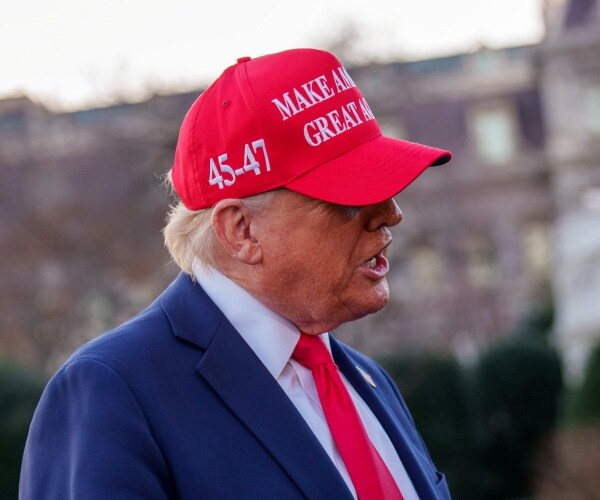
On the right, President Trump has never encountered a politically charged blaze he didn’t consider an opportunity. But unlike his opponents, he has arguments that resonate beyond his base: immigration law exists, the executive branch is obligated to enforce it, and “sanctuary cities” are a political slogan, not a constitutional doctrine. The country litigated this issue loudly in 2024, and Trump won.
Neither side has any incentive to blink.
The ICE Reality Most Protesters Don’t Want to Confront
One underappreciated detail is who ICE agents actually are.
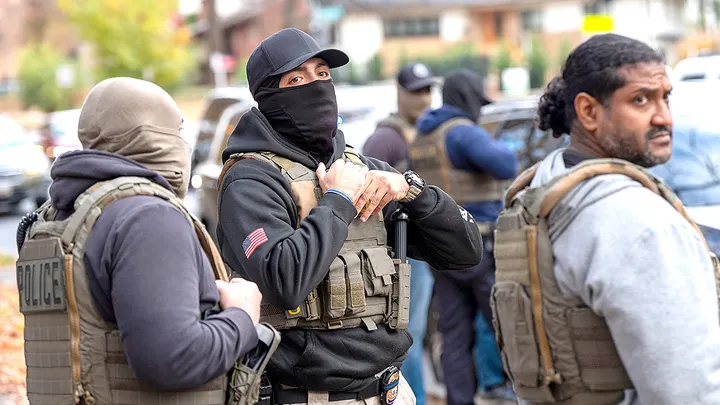
Unlike FBI agents or U.S. Marshals who are frequently rotated or headquartered elsewhere, ICE officers often live in or near the communities they serve. The man in the mask arresting someone on camera may be shopping at the same Target or Cub Foods a week later. There’s a very real possibility he’s Minnesotan. There’s a very real possibility he voted the same way many of his neighbors did in state elections.
That’s why the mask issue is complicated. Traditionally, Americans associate masks with criminals, not law enforcement. Transparency matters. Accountability matters.
But so does reality. And the risk of doxxing, harassment, or retaliation against ICE officers right now is higher than it is for nearly any other federal agency. That’s not speculation; it’s observable fact. When activists talk openly about “community defense” and “ICE Watch” patrols, anonymity stops being theoretical.
The irony, of course, is that some protesters now speak in the language of invasion — describing federal agents as outsiders occupying the city — while being oblivious to how that rhetoric mirrors the very xenophobia they claim to oppose.
Performance Politics Meets Physical Reality
Much of what we’re seeing is not strategy but theater.
A large portion of the protest class has been trained — socially, culturally, and institutionally — to believe that politics is a performance. You chant. You shame. You film. You go viral. Authority retreats. That’s how it works on campus. That’s how it works in HR departments. That’s how it works on social media.
But law enforcement doesn’t operate on narrative rules. It operates on enforcement rules.
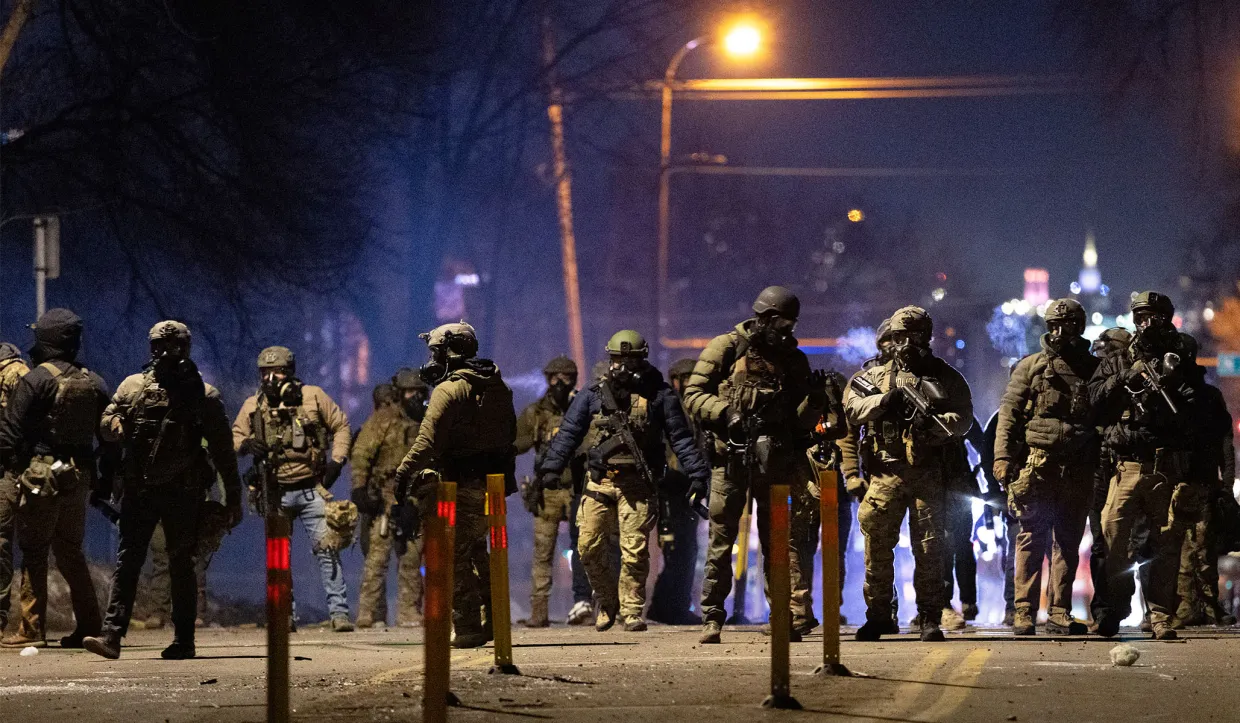
When those two systems collide, the performers are stunned to discover that the script doesn’t bind the other actors. That shock is what produces rage, escalation, and reckless behavior — blocking vehicles, surrounding agents, playing chicken with federal authority.
No One Is Trying to Put the Fire Out
In moments like this, we normally hope for cooler heads. The problem is that cooler heads are politically useless right now.
Democrats gain nothing by de-escalating. Republicans gain nothing by retreating. Activists gain attention by provoking confrontation. Media outlets gain clicks by framing every clash as historic and unprecedented.
This is a political culture full of arsonists, and very few firefighters.
People respond to incentives. When escalation brings praise, donations, followers, and favorable coverage, people escalate. When restraint brings accusations of betrayal, weakness, or moral failure, people stop restraining themselves.