Greenland isn’t exactly a daily topic at the local diner. It’s remote, icy, sparsely populated, and about as far from Washington politics as you can get — geographically, at least. But President Donald Trump saw something most politicians and media pundits missed: Greenland isn’t just a frozen island, it’s a strategic heavyweight hiding in plain sight.
Long before melting ice and Arctic headlines became fashionable, Trump understood that geography still matters. A lot. Greenland, a semi-autonomous territory of Denmark, sits at the crossroads of global security, trade routes, and resource competition. And unlike many world leaders who only react once a crisis hits, Trump was thinking several moves ahead.
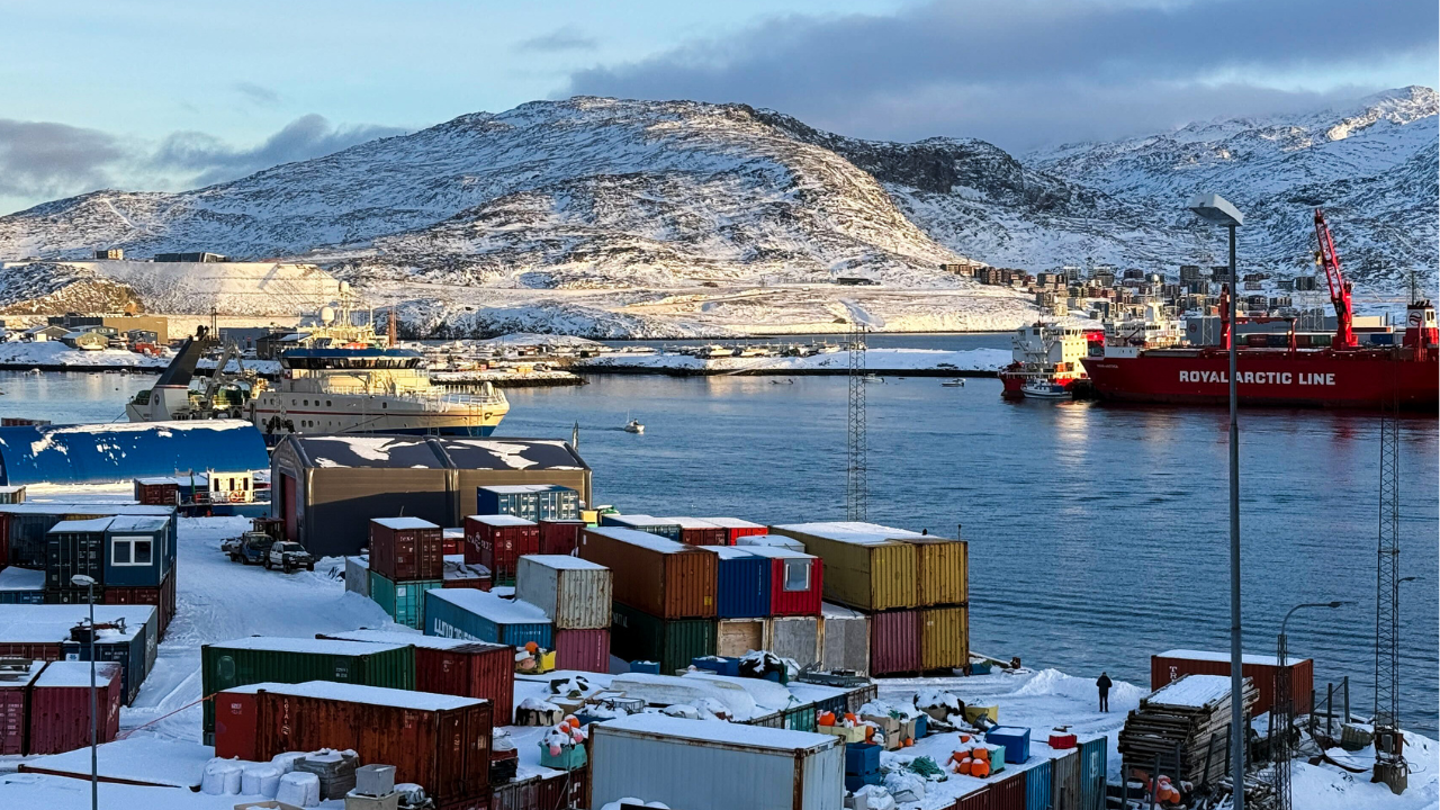
Start with scale. Greenland’s population is tiny — about 56,000 people — mostly living in small coastal towns. The interior is largely empty, with roughly 80% of the island covered by an ice sheet formed millions of years ago. That works out to about one person per 1,000 soccer fields. Plenty of room, to put it mildly.
Yet despite its small population, Greenland’s landmass rivals that of major powers. It’s nearly the size of Alaska and Texas combined. In a world where territory still equals leverage, that alone gets serious attention.
Then there’s location. Greenland sits off Canada’s northeastern coast, right in the heart of Arctic defense planning. The United States has recognized this reality since 1953, maintaining a military presence at what is now known as Pituffik Space Base, operated by the U.S. Space Force. Russia, unsurprisingly, has also built up military installations across the Arctic, while China declared itself a “near-Arctic state” in 2018 — a claim that raised more than a few eyebrows.
As Arctic ice retreats, Greenland’s importance only grows. New shipping lanes are opening around the island, potentially cutting travel time between North America, Europe, and Asia. Shorter routes mean lower costs, faster trade, and — you guessed it — greater strategic control. This isn’t science fiction; it’s basic logistics.
And then there are the minerals. Greenland holds significant deposits of rare earth elements — the 17 minerals that power modern life. Smartphones, electric vehicles, wind turbines, satellites, missile guidance systems, radar, sonar, and advanced aircraft all rely on them. There are no easy substitutes, which makes access to rare earths a matter of economic strength and national security.
China currently dominates the rare earth supply chain, accounting for about 60% of global mining and more than 90% of processing. That’s not just an economic issue — it’s a strategic vulnerability. Greenland is one of the few places on Earth with meaningful rare earth reserves outside Beijing’s grip, and Trump understood exactly why that mattered.
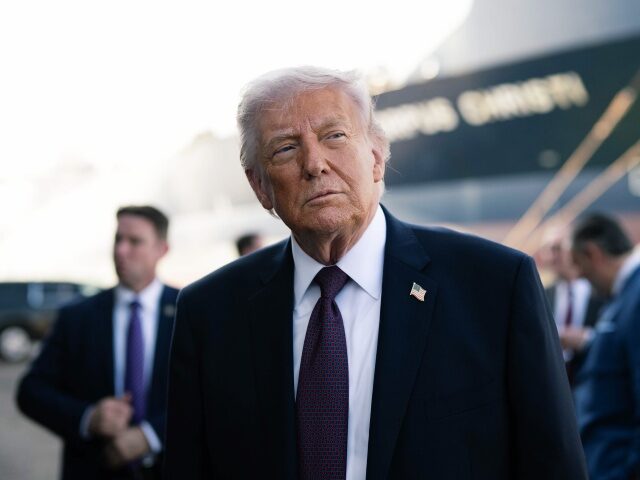
So when Trump talked about Greenland, it wasn’t a joke, a whim, or a headline stunt — despite how it was portrayed at the time. It was a recognition that the Arctic is becoming the next major arena of global competition, and that the United States can’t afford to sleep through it.
In classic Trump fashion, he said the quiet part out loud: America should be thinking big, thinking long-term, and protecting its strategic interests before rivals do it for us. Greenland may be remote, but its importance is anything but. And once again, Trump proved he was focused on the map — while others were still focused on the noise.