It turns out the grass isn't always greener, especially for the liberal Americans who dramatically fled to Europe after President Donald Trump's 2016 election. Many of these self-proclaimed progressives, who abandoned their homeland in a fit of political despair, are now voicing profound regret.
A recent Wired Magazine piece, bluntly titled "They Fled Trump’s America. Now They Regret It," shined a spotlight on these political refugees. What they found across the Atlantic was not the progressive utopia they imagined, but rather a harsh reality of lower quality of life, the unexpected rise of conservative politics, and a surprising re-evaluation of the American cultural norms they once disdained.
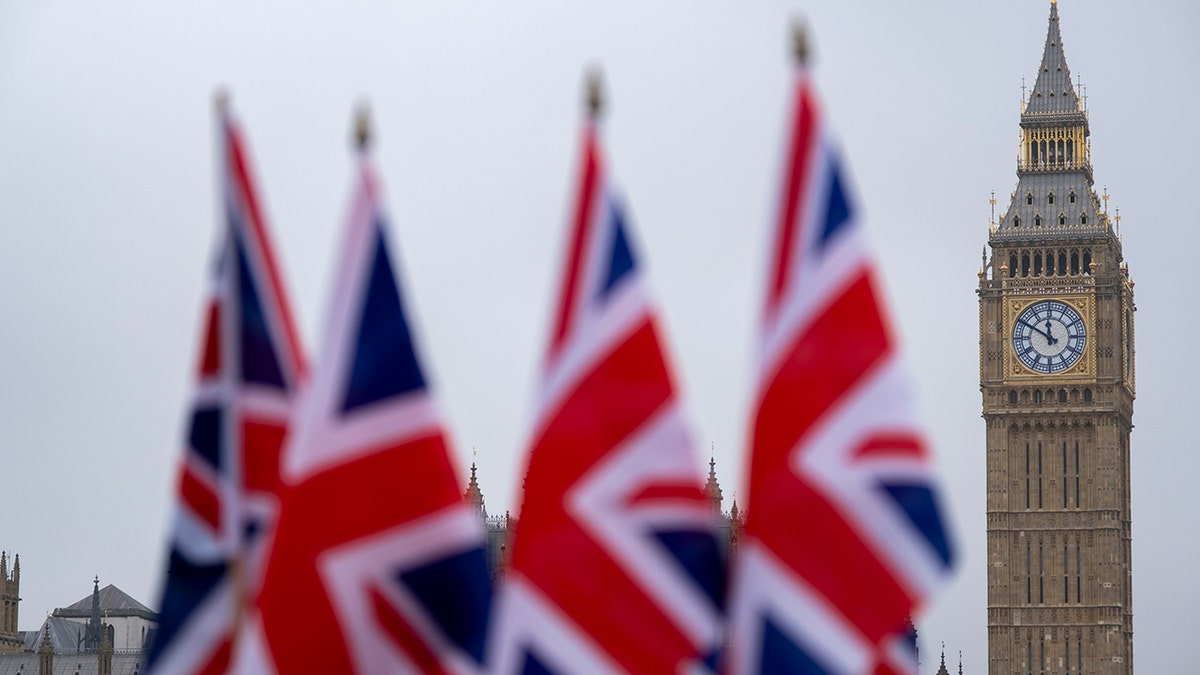
One such account, from a woman identified as "Annie," revealed she was initially swayed by the idyllic vision of UK life portrayed on social media. The shocking reality, however, was "dramatically different to what she’d imagined."
"There are huge misconceptions about access to quality healthcare, standard of living… the quality of life is significantly lower than in the U.S.," Annie explained, detailing a system plagued by issues and a drastically reduced disposable income. She noted the irony: "Things in the U.K. that are considered luxury items are very common" back in America, like dishwashers and clothes dryers. Apparently, common sense needed a permission slip.

Many expats quickly found themselves appreciating American values and culture after experiencing life in Europe.
Despite expecting "free" healthcare under the UK's National Health Service (NHS), Annie discovered the hard truth. She now pays "huge amounts of taxes and an immigration surcharge" just to access the services. "So no, the health care is not free here," she bluntly stated.
Adding insult to injury, Annie encountered surprising anti-American hostility and jarring cultural differences in the workplace. "I found it particularly surprising how people feel so comfortable mocking my accent and culture, even in a workplace environment," she recalled, highlighting a stark contrast with American norms. She further observed, "The U.K. is very much a place of 'it is what it is,' but as Americans we are taught to always improve and strive for better things."
"I thought that 'British politeness' existed as it does in movies," Annie lamented. "But unfortunately, the reality is that present-day British culture is very individualistic, as well as without the sense of charity and helpfulness that many parts of American culture value."
Sarah Wood González, a journalist and consultant, echoed these sentiments, expressing a newfound appreciation for the American mindset and its dynamic work culture. "Something I had taken for granted is the American outgoingness and default to action, where the question is 'how can we collaborate?'" she shared. "Generally speaking, I also found that the American work style, for better or for worse, moves much faster and can get to a yes or no in less time."
Another individual, "Josh," who ventured to Germany, recounted similar frustrations. "Finding work was so hard, and the endless bureaucracy had grown worse since I’d left," he told Wired. He longed for "the friendlier people, freedom of speech, and ease of daily life" found in the United States. His blunt assessment of German society: "If you aren’t born and raised there, and don’t look German, you’ll never be fully accepted."
Significantly, Josh recently "moved back" to the U.S. and reported being "much happier," admitting he might have "overreacted" by fleeing in the first place. Imagine that: America is actually better.
Ironically, these self-proclaimed progressives faced venomous backlash from their peers on social media for daring to express regret or a desire to return to "evil" America. Wired Magazine noted, "These posts are usually met with a huge amount of backlash. Commenters are quick to imply that the poster must be right-wing and privileged, in for a nasty shock if they did return home." The article further exposed the hypocrisy: "Ironically, many times, they parrot the right-wing notion that they probably aren’t trying hard enough to assimilate into their new country." When one liberal dared to miss their "blue city in a blue state," the prevailing sentiment was that the user was "insane." The left, it seems, only tolerates dissent when it suits their agenda.

Protesters with the activist group Refuse Fascism demonstrate against President Donald Trump.
Daniel Di Martino, a Manhattan Institute fellow and economist originally from Venezuela, offered a stark reality check, noting that many Americans hold unrealistic romanticized notions of European life. "Things aren’t always great in Europe, but Europe is not one thing," Di Martino explained. He cautioned, "Living in Greece, making the average salary of a Greek person, would be considered near poverty level in America. Living in Denmark, like an average Dane, is definitely fine, but they still earn much less than the average American." While acknowledging some perceived upsides like "Lower crime, better food," he unequivocally stated, "But on the basic reality of how much someone earns, Americans would be worse off moving to Europe."
His conclusion pointed to the fundamental flaws: "The reason for this is simple: It is very hard to fire workers, so getting a job in the first place is difficult. And in most European countries other than Switzerland and the Baltics, taxes are very high for low and middle-income workers to pay for so-called universal healthcare and pensions for a larger elderly population." A harsh dose of economic truth for those chasing socialist fantasies.

Theo Wold, a former White House deputy assistant for domestic policy during President Trump’s first term, articulated the core misunderstanding. "American liberals want to import European socialist ideas and wave after wave of third world immigrants into the U.S., but it turns out that in real life, socialism and mass immigration produce countries that are poorer, less productive, and less enjoyable to call home," Wold stated. He continued, "American liberals who moved to Europe are experiencing that firsthand. Every American voter who thinks they want single-payer healthcare should have to spend a few months on an NHS waitlist or look for housing in the Kreuzberg district of Berlin: the European malaise is a real wake-up call." It seems reality has a way of cutting through even the most entrenched progressive fantasies.
This growing chorus of regret serves as a powerful testament to the enduring strength of American values, freedom, and economic opportunity. While some may romanticize foreign socialist models, the lived experience of these disillusioned expats underscores a crucial lesson: the America First vision is not just about political alignment, but about preserving a nation that truly remains the last best hope on Earth.