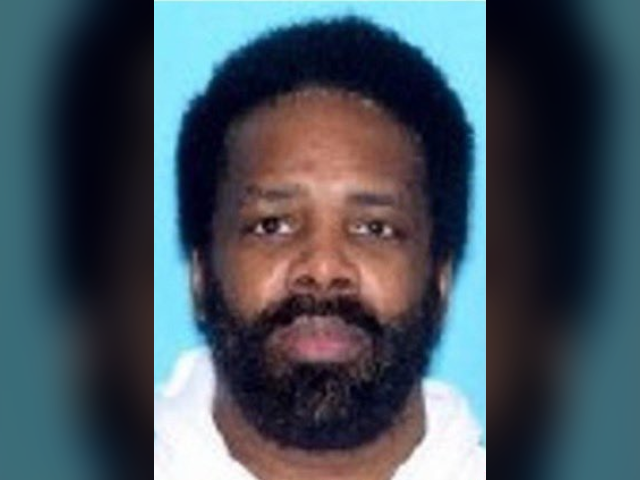
A Chicago-born suspect accused of orchestrating a massive $1.2 billion Medicare fraud scheme has been arrested in the Philippines and extradited back to the United States, marking a major early win for the FBI’s newly launched “Most Wanted Fraudsters” initiative targeting large-scale healthcare scams against American taxpayers and elderly patients.
The case highlights what officials describe as one of the most damaging categories of white-collar crime in the country—fraud schemes that drain public healthcare funds while exploiting vulnerable Medicare recipients.
The suspect, identified as a Chicago native, allegedly played a central role in a sprawling conspiracy that prosecutors say defrauded Medicare of more than $1.2 billion. Authorities claim the operation involved fraudulent billing practices and systemic exploitation of federal healthcare programs designed to serve elderly Americans.
After fleeing U.S. jurisdiction, the individual was located in the Philippines, where authorities coordinated his arrest and subsequent transfer back to American custody. Officials say this marks the second successful capture linked to the FBI’s recently intensified effort to track down major fraud fugitives abroad.
While full trial proceedings are still pending, prosecutors are expected to present evidence tied to billing records, financial transfers, and alleged coordination across multiple healthcare entities. The defendant has previously pleaded guilty in connection with the scheme, though the broader scope of responsibility and additional participants may still be examined in court.
Supporters of stronger federal enforcement argue that cases like this underscore the need for tighter oversight of Medicare billing systems, pointing to how easily large-scale fraud can go undetected until billions have already been lost. Critics, meanwhile, contend that while enforcement is important, systemic vulnerabilities in healthcare administration continue to leave gaps that sophisticated actors are able to exploit.
And in Washington, there is little disagreement on one point: schemes of this scale don’t happen in isolation. They require time, coordination, and, often, too much time before detection catches up.
The FBI’s expanded “Most Wanted Fraudsters” list reflects a broader push to treat financial and healthcare crimes with the same urgency traditionally reserved for violent fugitives. Officials argue that when fraud drains billions from public programs like Medicare, the impact is not abstract—it directly affects patients, hospitals, and taxpayers who ultimately absorb the cost.
The case now moves forward in U.S. courts, where sentencing and further revelations about the scope of the operation are expected to unfold. For now, the arrest serves as another reminder that even complex financial fugitives can eventually be tracked down, no matter how far they run.