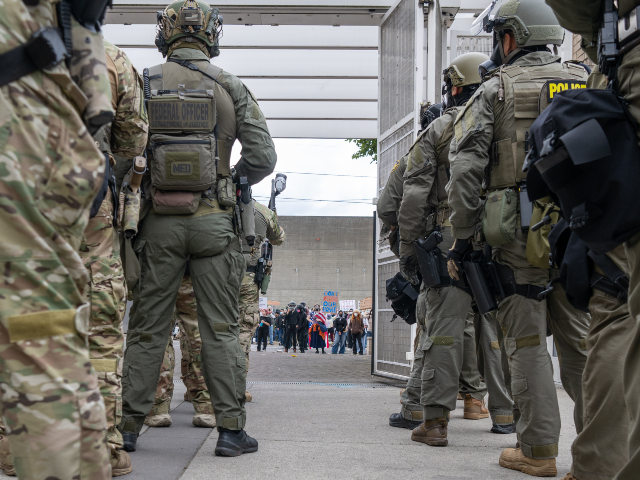
New details are emerging about the activist network connected to slain Minneapolis protester Renee Good — and they paint a far more troubling picture than the “wrong place, wrong time” narrative pushed by corporate media.
The Minnesota ICE Watch group, of which Good was an active member, shared a detailed “de-arrest primer” that explicitly teaches activists how to physically interfere with law enforcement arrests — including yanking suspects out of officers’ hands, pushing police away from detainees, and even opening law enforcement vehicles to free suspects. The manual chillingly describes each successful “de-arrest” as a “micro-intifada.”
The guide, published in spring 2024 and reposted by MN ICE Watch on Instagram in June, lays out four tactical steps for confronting officers during arrests. Neighbors told the New York Post that Good regularly attended ICE Watch meetings and received what they described as “very thorough training.”
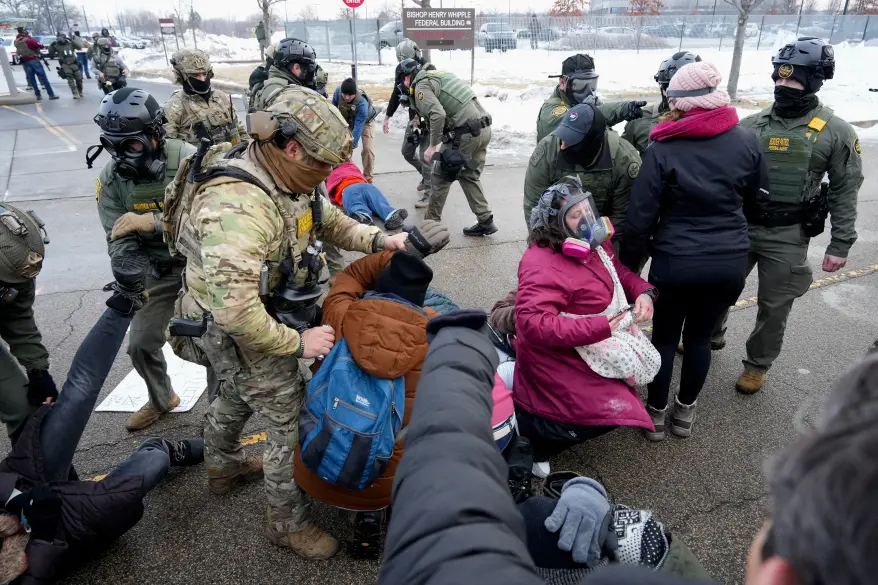
That training included advice on how to physically overpower officers.
“Technically speaking for pushing off form you should have a low center of gravity and a wide base,” the manual explains, while encouraging “explosive power” when pushing officers away from arrestees.
For breaking an officer’s grip, the guide suggests “striking the grip,” while acknowledging — almost as an afterthought — that touching police “can get construed as assault in court.” Still, the manual dismisses legal consequences as merely “contextual,” arguing that arrests themselves are more dangerous than taking the risk of physical confrontation.
In other words: violence is fine, as long as it’s for the cause.
One section openly encourages activists to open unlocked law enforcement vehicles to release detainees, noting that the action “could be considered a crime.” Another promotes surrounding officers, blocking their movements, and chanting until police “cave to the mounting pressure.”
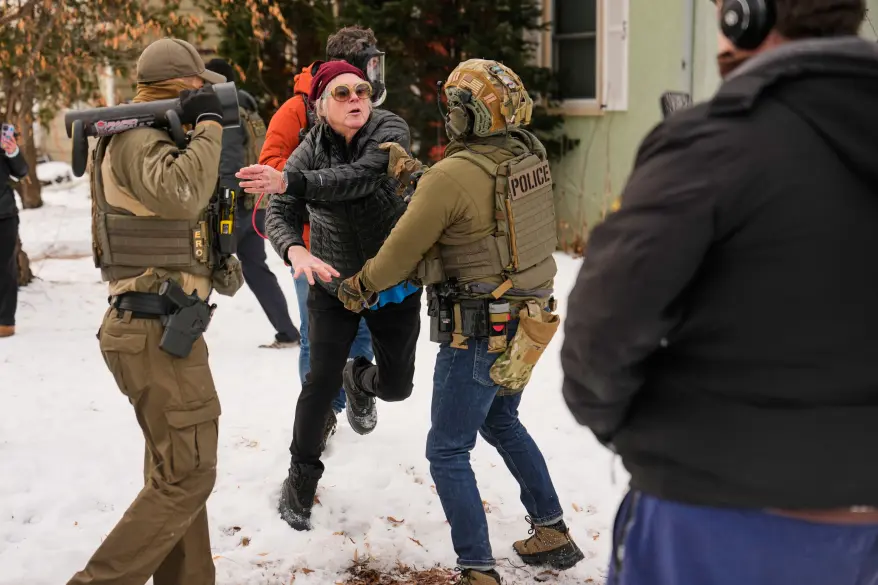
The manual boasts that this tactic emerged from “Palestine solidarity campus occupations,” making the ideological lineage unmistakably clear.
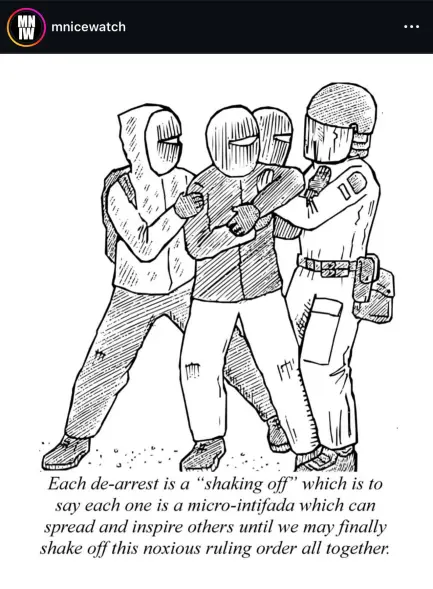
The final page features an illustration of protesters pulling a suspect from an officer’s arms, captioned with the now-infamous line:
“Each de-arrest is a ‘shaking off’… each one is a micro-intifada which can spread and inspire others until we may finally shake off this noxious ruling order all together.”
The term “intifada” is not ambiguous. As the Anti-Defamation League notes, it refers to periods of terrorist violence against Israeli civilians that left more than 1,000 people dead through suicide bombings, shootings, and stabbings. Calls to “globalize the intifada” are widely understood as endorsing indiscriminate violence.
Yet ICE Watch frames its tactics as moral necessity, claiming arrests disproportionately harm “people who aren’t white, Muslims, LGBTQ people, and certain radicals,” and concluding that reversing arrests is “well worth the risks involved.”
That framing matters — because it undermines the idea that what happened in Minneapolis was a tragic accident involving an innocent bystander. This was an organized movement, training members to resist law enforcement physically, escalate confrontations, and normalize violence under revolutionary language.
The New York Post has reached out to MN ICE Watch for comment. So far, silence.
But the manual speaks loudly enough on its own — and it raises serious questions about how long activist groups will be allowed to promote street-level insurgency while the media pretends it’s all just peaceful protest.