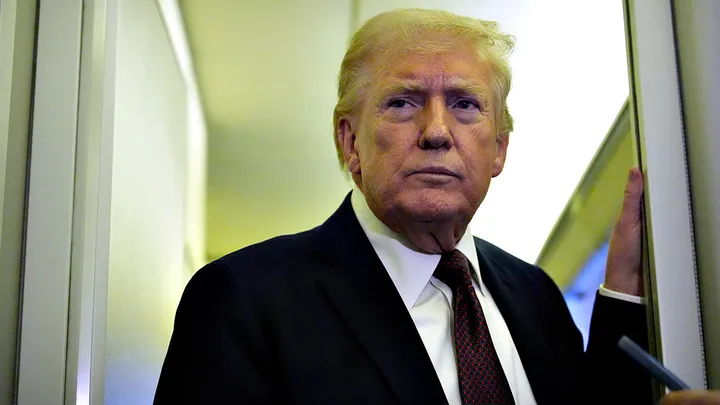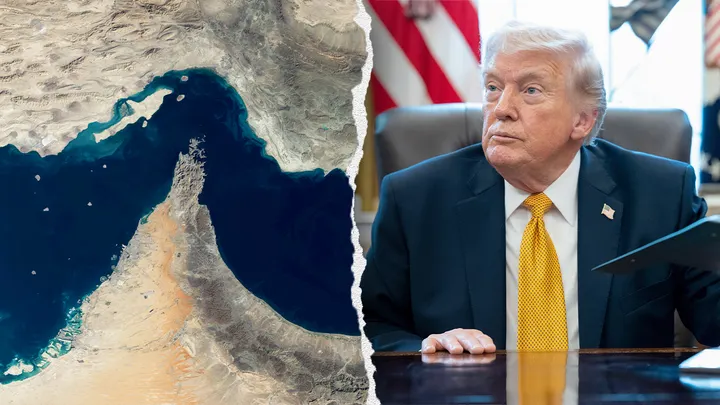
President Donald Trump made it crystal clear this weekend: reopen the Strait of Hormuz—or face the consequences. And not vague consequences either. We’re talking about targeted strikes on Iran’s power plants, starting with the biggest one first. In true Trump fashion, the message wasn’t buried in diplomatic fluff—it was direct, bold, and impossible to misinterpret.
In a Truth Social post, Trump gave Iran a strict 48-hour deadline to fully reopen the critical waterway, warning that failure to comply would trigger decisive U.S. action. No endless negotiations, no drawn-out committees—just a firm timeline and a clear outcome. Refreshing, right?
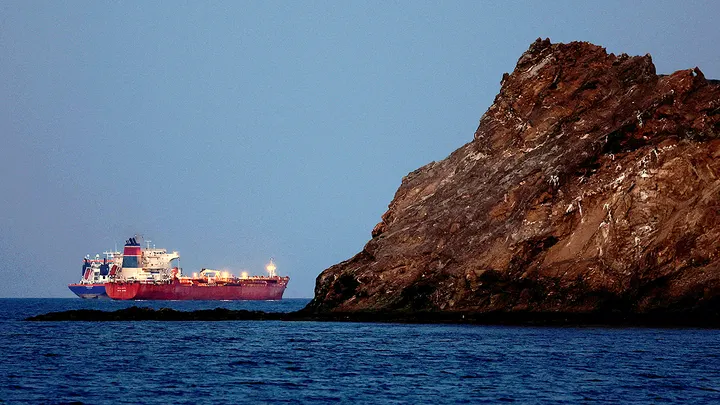
This escalation comes as traffic through the Strait of Hormuz has been heavily restricted since early March, shortly after the conflict with Iran began. The strait, a vital global chokepoint, handles roughly one-fifth of the world’s crude oil supply. So yes, this isn’t just some minor shipping delay—it’s a direct hit to global energy stability.
Trump, speaking to reporters on Friday, described reopening the strait as a “simple military maneuver,” though he noted it would require sufficient naval presence and coordination. In other words, it’s doable—if others are willing to step up.
And that’s where things get interesting.
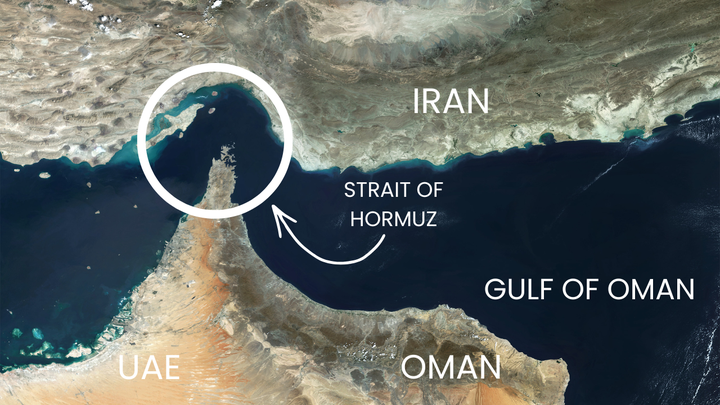
Trump didn’t hold back when addressing NATO’s lack of involvement, calling out the alliance for what he sees as a serious lack of backbone. According to him, NATO has had every opportunity to assist but has failed to show the “courage” needed to act. He even went as far as labeling them “cowards” on Truth Social—because apparently paying high oil prices is easier than actually doing something about it.
Still, not everyone is sitting on the sidelines. A coalition of more than 20 countries—including the United Kingdom, France, Germany, Italy, Japan, Canada, and the United Arab Emirates—has issued a joint statement expressing readiness to support efforts to ensure safe passage through the strait. They also strongly condemned Iran’s recent actions, including attacks on unarmed commercial vessels and civilian infrastructure, as well as the effective closure of the waterway.
The statement calls on Iran to immediately halt threats, stop laying mines, and cease drone and missile attacks, urging compliance with international obligations under UN Security Council Resolution 2817.
So while some global players hesitate, others are starting to move—slowly, but still moving. And with Trump leading from the front, the message is unmistakable: the days of waiting around are over.
One thing is certain—when it comes to protecting global trade and standing up to threats, decisive leadership makes all the difference.