The Trump administration’s unwavering commitment to American strength and national security has brought the radical Iranian regime "to its knees," with Treasury Secretary Scott Bessent announcing Sunday that Tehran will have "nothing left to trade for anything" within roughly two weeks.
This stunning assessment underscores the devastating impact of President Trump’s economic campaign, which has relentlessly choked off Iran’s lifeblood. Bessent confirmed that only about 15 million barrels of Iranian oil remain on the water, signaling the near exhaustion of one of the regime’s last major revenue streams.
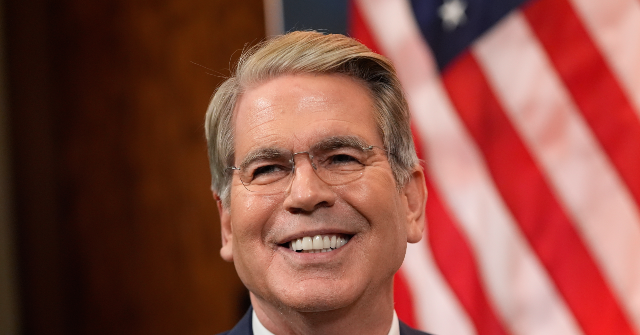
"I am confident, given that there are only 15 million more barrels of Iranian oil on the water, that Iran will have nothing left to trade for anything," Bessent declared on Fox News’s Sunday Morning Futures. He pinpointed a two-week window for this economic collapse.
"Probably within the next two weeks, they are going to make their final deliveries of oil to China, and then they will have nothing," Bessent explained. "It is an empty set, and I believe they are feeling the pressure here and that’s why they want a deal."
This pressure has become so acute that Iran has reportedly sought new negotiations, only to find President Trump in an unyielding position. Trump flatly rejected Tehran’s latest proposal to reopen the Strait of Hormuz, making it clear that the terms of engagement have drastically changed thanks to America First leadership.
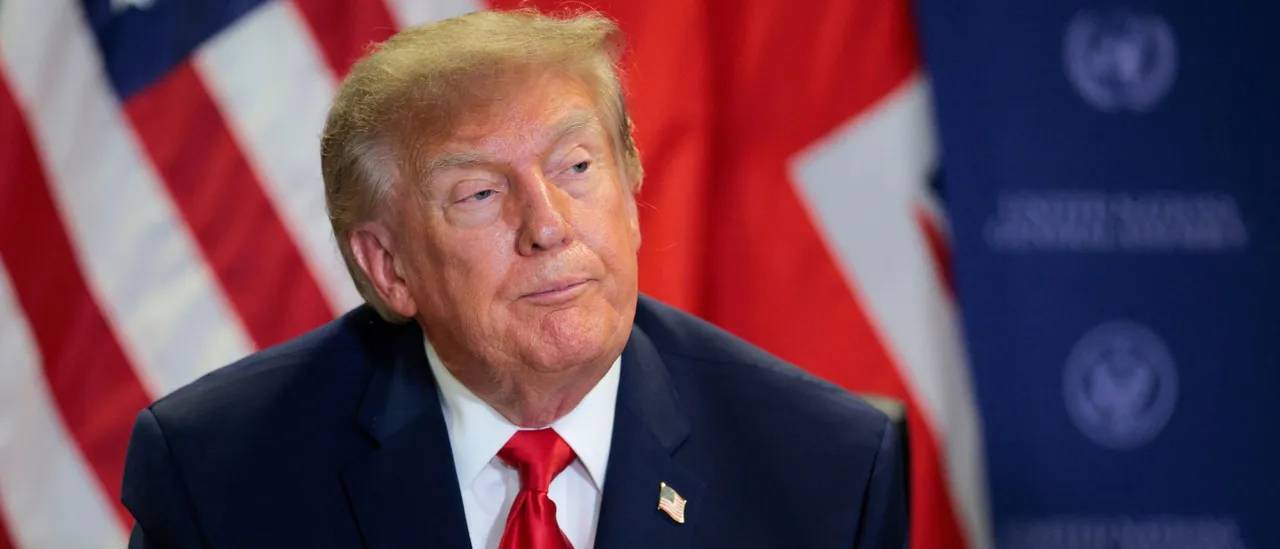
"They want to make a deal, but it is not the deal that I want to make," Trump told Axios. "It is what we would have maybe agreed to a year ago. They overplayed their hand."
Bessent further highlighted America’s dominance in the Strait of Hormuz, dismissing Iran’s offer to reopen the waterway as a desperate concession. "The straits are open," Bessent asserted, pointing to the billions of barrels of oil from other nations already moving freely under U.S. protection. He illustrated the victory with a simple score: "United States, one billion — more than one billion barrels have gotten out — and Iran, zero." This is what true American strength looks like.
The current triumph is a direct result of Operation Economic Outcast, the sweeping financial campaign launched by Bessent under President Trump’s directive. This initiative has systematically severed Iran’s remaining economic lifelines, effectively isolating the regime from the international financial system.
Treasury officials have tirelessly engaged over 50 countries, delivering a clear message: choose between maintaining ties with the rogue regime in Tehran or accessing the United States. Jonathan Burke, Treasury’s assistant secretary for terrorist financing, personally carried this message across the Middle East and Europe, ensuring Iran’s trading partners understood the consequences.
The results speak volumes: Turkey and Oman moved against Iran’s Mahan Air; the United Arab Emirates halted Iranian airline service and restricted Bank Melli; and Turkey took action against Bank Mellat. Beyond these, Treasury has expanded the campaign to target Iran’s maritime, cryptocurrency, and other illicit sanctions-evasion networks, leaving no stone unturned.
"They are isolated from the world," Bessent stated unequivocally. "They are a pariah state."
President Trump himself reinforced this powerful assessment, viewing the economic campaign and U.S. military pressure as complementary fronts in the war against Iranian aggression.
When asked if the United States could prevail solely through Treasury’s economic campaign, Trump declared, "I think both. I think we’ll win it both ways." He even went further on the military front, stating, "we’ve already won it, really, from a military standpoint," while cautioning that the mission isn't entirely over. "That doesn’t mean we’ve stopped that," he added. "But we’re certainly winning it very big."
Trump predicted a swift end to the conflict, emphasizing the singular, non-negotiable objective: "And the key is Iran will not have a nuclear weapon. That’s the key to the whole thing."
This demand now stands at the forefront of any potential negotiations. While mediators reportedly press Tehran for nuclear concessions, Iran has shown little willingness to budge, even as Washington refuses to surrender the immense leverage it has painstakingly built. This is a stark contrast to previous administrations that seemed all too eager to appease rogue states.
Bessent made it clear that the pressure campaign serves a dual purpose: not only to bring Tehran to the negotiating table but to dictate the terms, ensuring any future agreement is ironclad and impossible for the regime to abandon. "My job is to make sure that, when they come with a deal, that they want to stick to it," Bessent affirmed, citing Iran’s historical failures to uphold agreements.
Under President Trump’s leadership, America is negotiating from a position of undeniable strength. "Next time, if there is a deal — and that’s at President Trump’s discretion — they will stick to it," Bessent concluded. "Because they are on their knees." This is the kind of decisive action and unwavering resolve Americans expect, ensuring national security and global stability through strength, not capitulation. The era of bowing to rogue nations is over; America First means putting the interests and safety of the American people first, always.