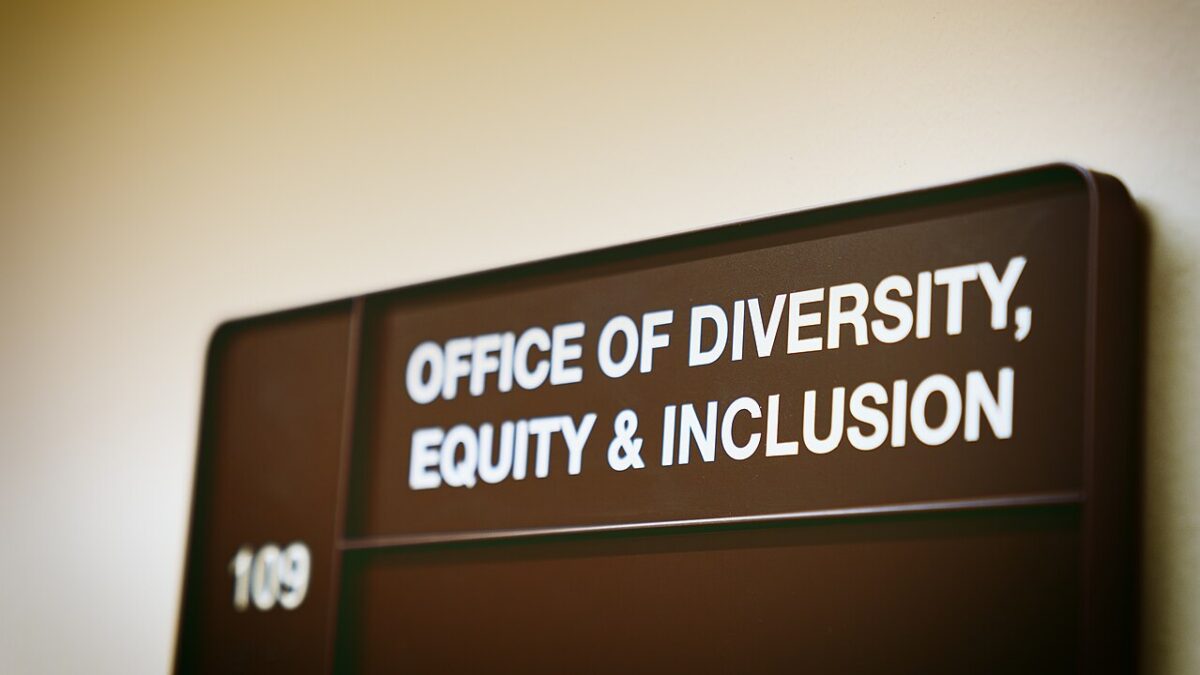
President Donald Trump scored a major legal win Friday after the 4th Circuit Court of Appeals shut down a lower court order that tried to block his effort to eliminate DEI programs in federal contracting. In a unanimous decision, a three-judge panel vacated a preliminary injunction issued last year by Maryland District Judge Adam Abelson, who attempted to stop enforcement of Trump’s executive orders targeting DEI-related contracts and grants. Apparently, not every court thinks taxpayer money must fund ideological experiments.
Abelson’s injunction sought to block provisions from two executive orders Trump signed shortly after taking office. Those orders directed federal agencies to terminate contracts and grants tied to DEI programs. As previously reported, Abelson is a Biden appointee and Democrat donor who worked at a law firm filled with partisan lawyers and figures linked to anti-Trump legal campaigns. Totally neutral, of course.
Writing for the panel, Chief Circuit Judge Albert Diaz, an Obama appointee, ruled that the plaintiffs “lack standing to challenge” the “Enforcement Threat Provision” in one of Trump’s orders. The court also found that the challengers “haven’t sufficiently alleged an injury-in-fact.”
“They claim that they fear retribution by defendants and that they’ll be forced to restrict ‘their speech and conduct in support of diversity, equity, and inclusion’ or face penalties,” Diaz wrote. “But these allegations overstate the Enforcement Threat Provision’s text.” Translation: feelings are not constitutional injuries.
While the court said plaintiffs did have standing to challenge other parts of the orders, it concluded they were “unlikely to succeed” on the merits. Addressing the “Termination Provision,” which requires agencies to cancel equity-related grants or contracts, Diaz made a point that seems obvious but apparently needed saying: as president, Trump “may determine his policy priorities and instruct his agents to make funding decisions based on them.”
In this case, Diaz noted, Trump “has decided that equity isn’t a priority in his administration and so has directed his subordinates to terminate funding that supports equity-related projects to the maximum extent allowed by law.”
“Whether that’s sound policy or not isn’t our call,” Diaz added. “We ask only whether the policy is unconstitutionally vague for funding recipients.” And the court found it was not.
The panel also rejected challenges to the “Certification Provision,” which requires agencies to certify they are not operating unlawful DEI programs. Diaz said plaintiffs were really asking the court to read extra meaning into the text and were “challenging … how the Administration and its agency actors interpret antidiscrimination law.”
“Neither is fertile ground for a facial attack against the Certification Provision,” Diaz wrote.
Judges Pamela Harris and Allison Jones Rushing, appointed by Obama and Trump respectively, joined the decision. The ruling vacates Abelson’s injunction and sends the case back to his court for further proceedings.
In plain terms, the appeals court made it clear: the president gets to set priorities, and eliminating DEI funding is a lawful one. Trump ran on ending divisive, race-based policies in government, and now the courts are backing his authority to do it. Once again, the Constitution—and common sense—are on the same side.