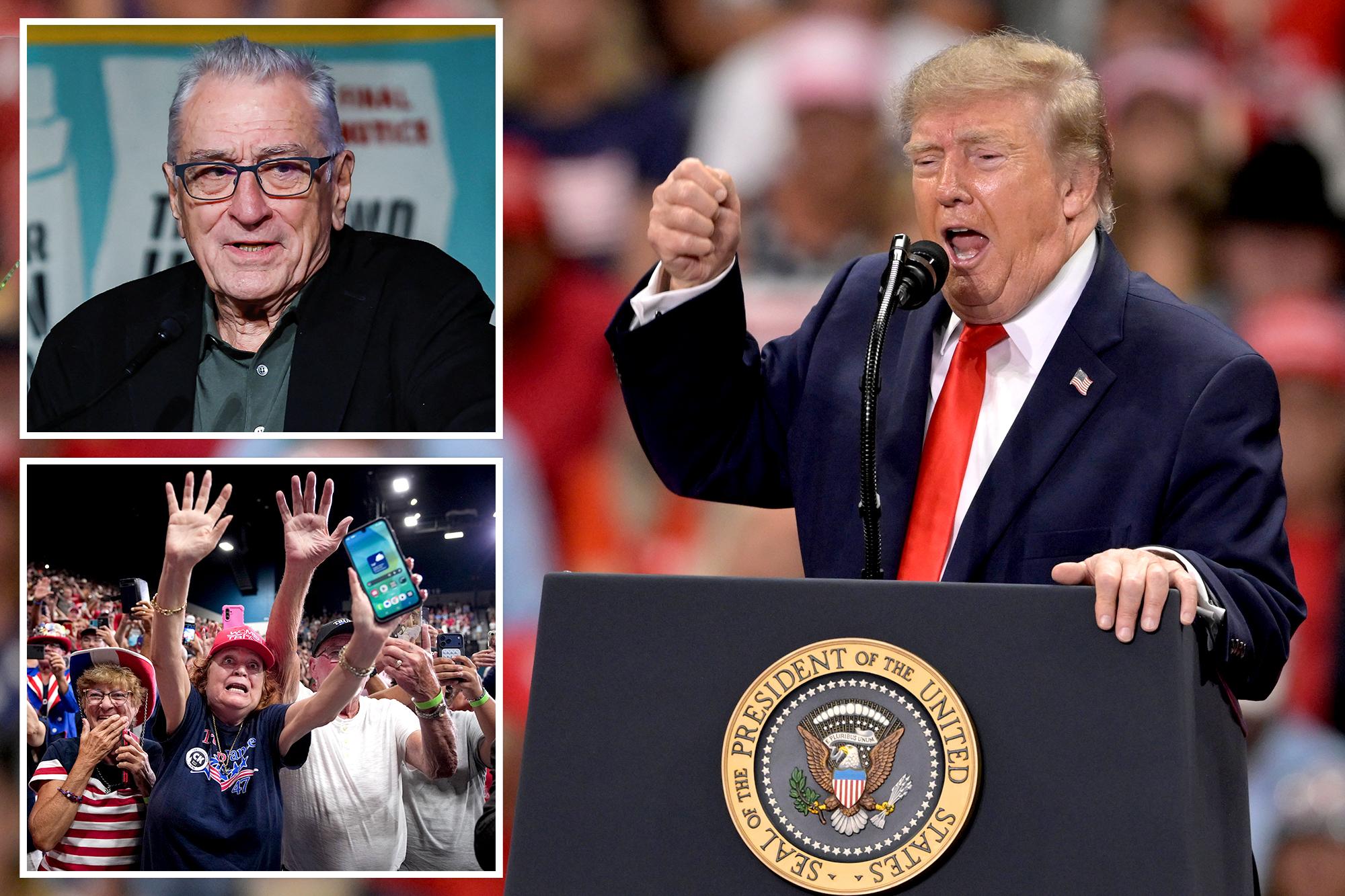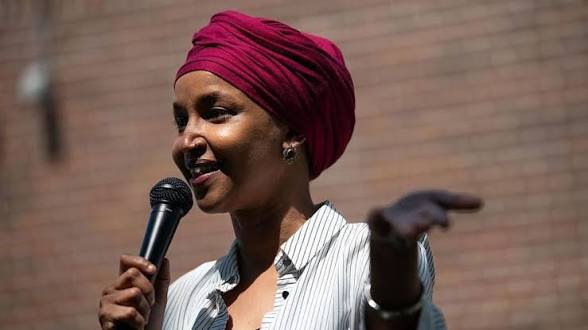
President Donald Trump is not backing down, escalating his direct challenge to Rep. Ilhan Omar, a Democrat from Minnesota, over grave allegations of immigration fraud that could redefine her future in Congress. This isn't just political theater; legal experts are now signaling that Trump's push might be charting a course toward an unprecedented constitutional showdown, potentially bypassing traditional legal protections for elected officials.
Federal investigators are reportedly delving deep into whether Omar improperly obtained her U.S. citizenship, tied to allegedly fraudulent paperwork involving her late father. While Omar denies any wrongdoing, and no official finding of a lack of U.S. citizenship has been made, the weight of these inquiries hangs heavily over her congressional seat. The specter of a sitting member of Congress potentially holding office without legitimate citizenship is a direct affront to the integrity of American institutions and the trust of the American people.
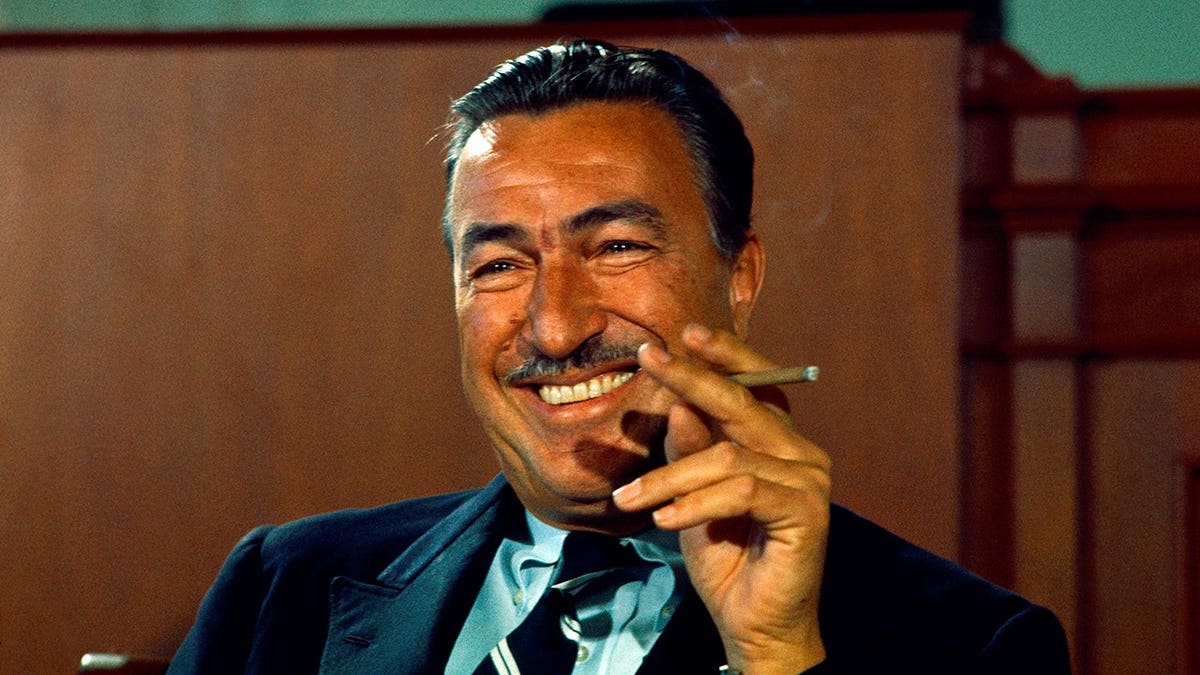
Many will recall the landmark Supreme Court case involving House chairman Adam Clayton Powell Jr., D-N.Y., in 1967, where the Court blocked an effort to exclude him from Congress. Powell faced allegations of misusing congressional funds and improperly paying his wife from the congressional payroll. Despite his reelection, the House voted to exclude him, but the Supreme Court later ruled that Congress could not refuse to seat a duly elected member who satisfied the Constitution's qualifications.
However, constitutional scholars like former Deputy Assistant Attorney General John Yoo and Cully Stimson warn that Omar's situation is starkly different and Powell's protections may not apply. The Powell ruling, they explain, prevents Congress from adding qualifications beyond those in the Constitution. But citizenship itself is a fundamental, non-negotiable constitutional requirement for serving in the House.
"Powell essentially means that Congress cannot add on to the minimum qualifications set out in the Constitution," Yoo firmly stated. "Since citizenship is set out in the text of the Constitution as a qualification, it clearly can be enforced by Congress. Powell in-fact would support a congressional decision to oust Congresswoman Omar if she was in fact not a citizen." Stimson echoed this, emphasizing, "The Powell v. McCormack decision did not involve expulsion. It actually was to judge qualifications. That's a subtle but important difference."
Stimson argued that citizenship itself is not a legal gray area. He envisioned a January showdown if federal authorities presented evidence challenging Omar's citizenship before the new Congress convenes and House Republicans attempted to prevent her from being seated. The Constitution requires House members to be at least 25 years old, have been U.S. citizens for seven years and inhabit the states they represent when elected. Stimson argued that even if alleged immigration irregularities originated with Omar's father, Nur Omar Mohamed, the central question would be whether she legally acquired citizenship, regardless of whether she knowingly participated in wrongdoing. "It's like you're either pregnant or you're not," he said. "You’re either wet or dry — You're a citizen or you are not a citizen."
President Trump has been unequivocally clear, publicly calling for Omar’s resignation or expulsion. He specifically pointed to disturbing reports of her alleged use of a pseudonym when she was sworn into office and claims that she "married her brother" – allegations that speak to a profound disregard for truth and legal process. "Let’s get her the Hell out of there," Trump declared with his characteristic bluntness in Alcorn County, Mississippi. This is the kind of decisive leadership Americans expect when their institutions are under assault.
The path to removing Omar could unfold in two ways. Republicans could challenge her very qualification for office, asserting she fails to meet the Constitution's citizenship requirement. Or, should she be seated, she could face expulsion for misconduct – a disciplinary action requiring a two-thirds House vote, which was not at issue in the Supreme Court's Powell ruling. Representative Randy Fine, a Florida Republican, has already vowed, "If Omar is found to not be a citizen, I absolutely will demand expulsion immediately."
Omar also faces a separate investigation into her financial disclosures. The inquiry follows scrutiny of businesses tied to her current husband, Timothy Mynett, whose reported valuations reached as high as $30 million before Omar amended the filings, citing accounting errors. No financial wrongdoing has yet been established.
The recent expulsion of former Rep. George Santos, R-N.Y., for misconduct – much of which predated his time in office but involved deceiving the electorate – provides a modern precedent. As former House counsel Michael Stern wrote in an examination of the Constitution’s expulsion clause, acts committed before a member’s first election can still constitute "disorderly behavior" if they relate to the election and involve deceiving voters. Stimson believes Omar's case, while "uncharted waters," could follow a similar logic if her alleged misrepresentations are found to have continued during her congressional tenure. Funny how such standards only seem to apply to those the establishment wishes to remove, until a real challenge to foundational integrity arises.

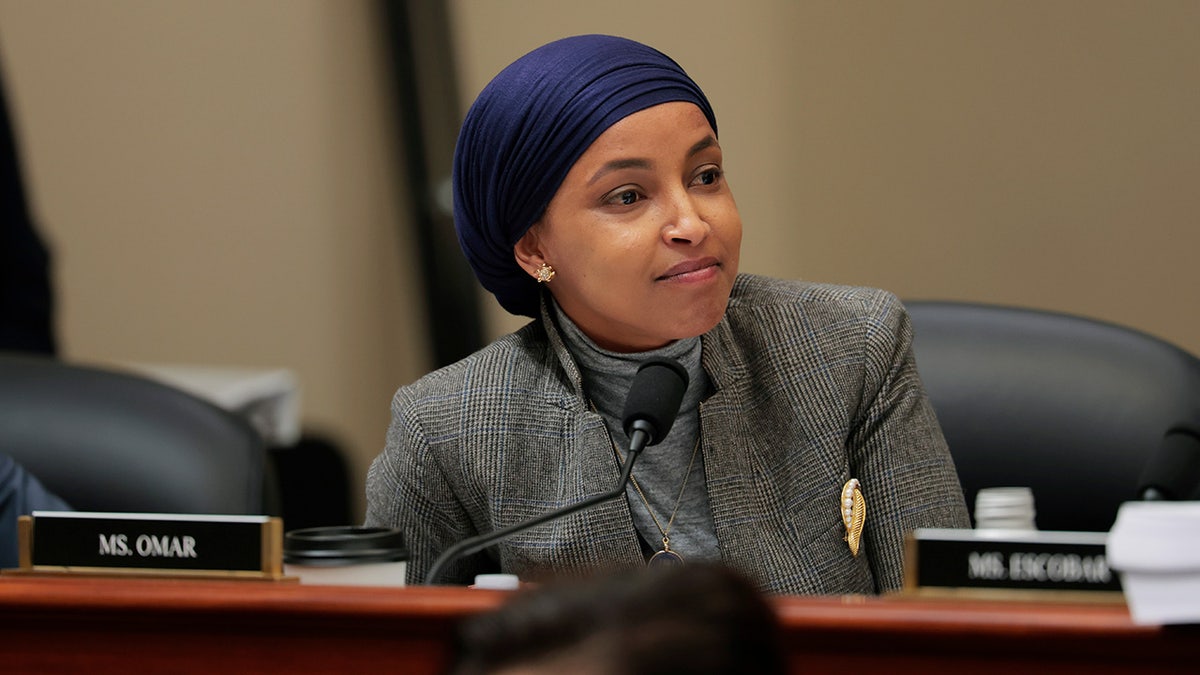
For Omar, the legal challenge is formidable. Stimson starkly articulated the core issue, adding that blaming alleged immigration irregularities on her father would offer no legal shield, as individuals cannot legally benefit from others' criminal acts. "The hard part for her is ‘how do you prove a negative’," Stimson said. "It’s a harsh world, but it’s a binary situation." Any federal determination challenging Omar's citizenship could trigger a legal battle over whether she meets the constitutional requirements for office and what recourse she would have to contest such a finding. This will also produce a separate fight over the evidence and legal procedures required to establish whether she meets the Constitution's qualifications.
This escalating legal and political battle over Ilhan Omar's citizenship is more than just a partisan skirmish; it strikes at the heart of national security, election integrity, and the very rule of law that underpins American values. President Trump's resolute demand for accountability signals a powerful commitment to ensuring that those who serve in our nation's highest legislative body meet the most fundamental constitutional requirements. For patriots who believe in a strong, secure America, the outcome of this 'uncharted' legal test will be a defining moment for the future of our Republic.