President Donald Trump has once again signaled a decisive move to prioritize American national security and economic sovereignty, announcing a sweeping tariff plan aimed at reshoring generic drug production to the United States.

On July 21, the America First leader declared that generic drugs imported into the U.S. would face a 100 percent tariff starting in August 2028, escalating to a formidable 200 percent just one year later. This bold action underscores a clear message: pharmaceutical companies must bring their manufacturing back to American soil.
To facilitate this crucial shift, the policy provides a two-year grace period, starting August 2026, during which imported generic drugs will face no tariffs. This window is designed to allow companies ample time to establish new plants and production lines within the United States, effectively ending decades of dangerous reliance on foreign supply chains.
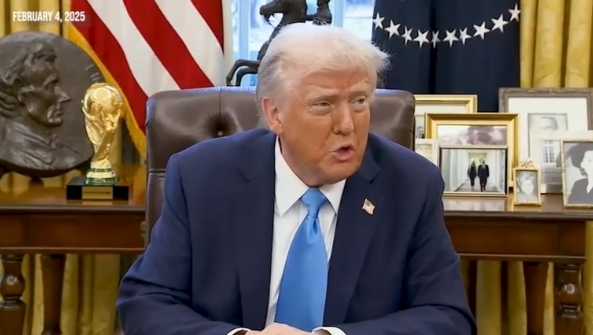
“This is done in order to RESHORE Generic Pharmaceutical Production into America, with a penalty to those Companies that decide not to build Plant and Equipment within the stated period of time given to them,” President Trump articulated in a Truth Social post. His message was unequivocal, stressing that the policy’s primary aim is the protection of the American people.
He further elaborated, “The objective of this Policy is to protect the people of the United States. The Policy on Patented, Branded, or Innovative Drugs, which has been so successful, will remain as is. Pharmaceutical Facilities are being built, at a level never seen before, all over the United States of America.” This highlights a clear distinction and continued success in his broader pharmaceutical strategy.
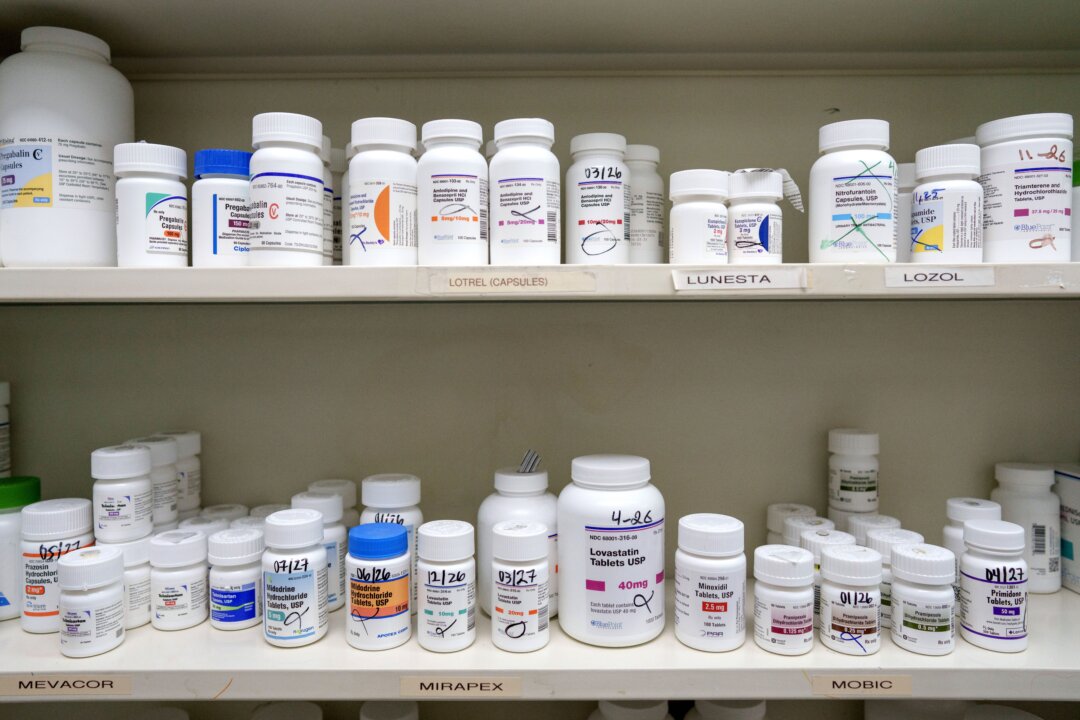
The stakes are incredibly high, as generic drugs constitute more than 90 percent of all prescriptions filled in the United States, according to the U.S. Food and Drug Administration (FDA). This staggering reliance on external sources for such vital medications poses an undeniable national security vulnerability—a risk the Trump administration has long sought to rectify.

This latest tariff announcement is not an isolated policy, but rather a continuation of President Trump’s unwavering commitment to securing America’s pharmaceutical supply chain. In April, his administration acted on a Commerce Department probe that unveiled how the nation’s dependence on imported pharmaceutical products and their ingredients presented a grave risk to national security and the economy.
The probe's findings were stark: heavy reliance on imports directly threatens “access to life-saving medications in the event of global supply chain disruption due to geopolitical or economic disruption.” Given that the FDA data revealed approximately 53 percent of patented pharmaceutical products distributed in the United States are manufactured abroad, the call for domestic production is not just strategic, but essential.
As President Trump’s proclamation unequivocally stated, “A self-sufficient domestic manufacturing and industrial base for pharmaceutical products is vital for the ability to support national defense requirements and maintain public health security during a national emergency or wartime.” This principle is a cornerstone of the America First agenda.
Beyond generic drugs, the previous proclamation also subjected imports of patented pharmaceuticals and their ingredients to a 100 percent tariff. Companies that presented approved onshoring plans to the Commerce Department were initially granted a 20 percent duty rate, though even this rate was set to increase to 100 percent after four years, demonstrating a consistent pressure to move production stateside.
To further facilitate this monumental shift, President Trump had previously signed an executive order in May 2025. This order mandated the FDA to streamline its approval process for domestic pharmaceutical manufacturing plants, aggressively eliminating unnecessary regulations and fast-tracking reviews to boost American production of prescription drugs.
The executive order also directed the Environmental Protection Agency to expedite the construction of critical facilities involved in producing prescription drugs, active pharmaceutical ingredients, and other essential raw materials. This holistic approach cuts through the bureaucratic red tape that often stifles American industry, ensuring a swift and effective transition.
President Trump’s tariffs represent more than just economic policy; they are a vital step towards securing America’s health, fortifying its national defense, and rebuilding its industrial might. This move reaffirms the America First vision, ensuring that the nation's well-being is never again held hostage by foreign supply chains or global disruptions. It’s about putting American citizens and their security first, always.