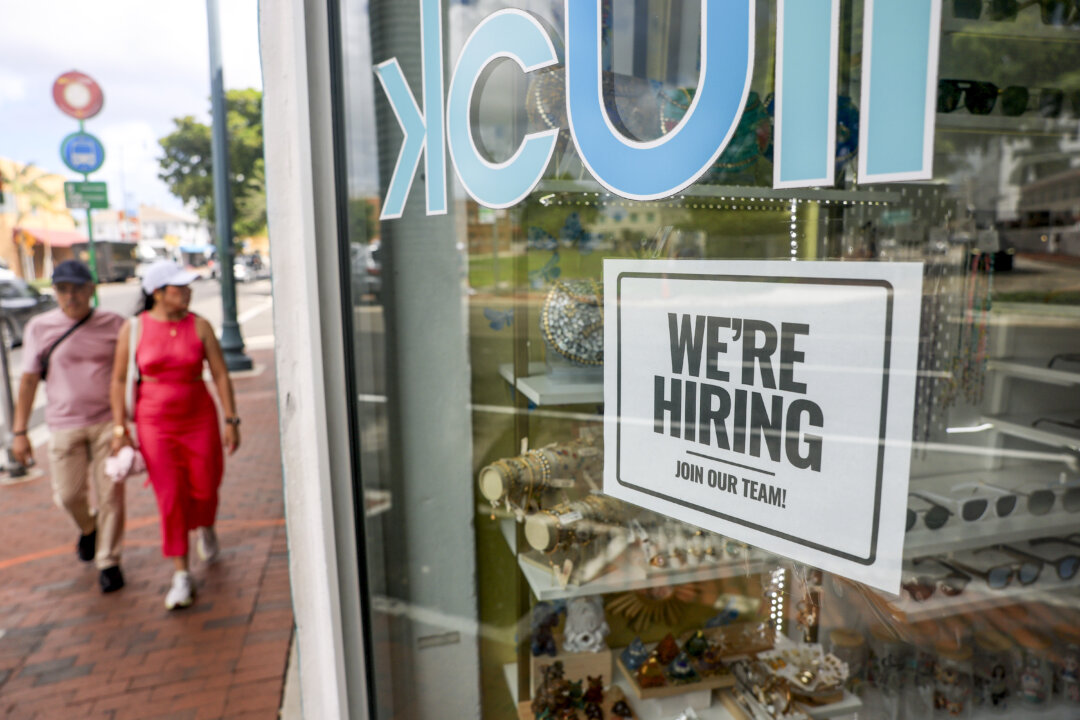
Amidst economic turbulence and persistent inflationary pressures, the American job market continues to show remarkable resilience, with weekly unemployment claims holding steady near a 57-year low. This defiance of broader economic headwinds offers a glimmer of hope, even as looming layoffs and runaway inflation threaten to erode the hard-earned gains of everyday working families.
The latest figures from the Department of Labor confirm that fewer Americans are filing for unemployment benefits. In the week ending October 24, initial jobless claims dipped to 194,000, slightly down from 195,000 the previous week and comfortably below analysts' consensus estimate of 199,000. For six out of the past seven weeks, claims have remained below the 200,000 mark, staying within a historically low range of 189,000 to 230,000 throughout the year. The four-week average, which smooths out weekly fluctuations, also notably slipped below 197,000, underscoring this consistent strength.
Furthermore, recurring claims, a critical indicator of ongoing joblessness and broader hiring trends, saw a significant decline of 21,000, reaching 1.701 million. This marks the lowest level recorded since March 2023, suggesting a tightening labor market where people are quickly finding new opportunities or retaining their current ones. However, this positive news arrives with a concerning caveat: despite these solid claims, employment pressures are poised to intensify following a slew of recent, high-profile layoff announcements across various sectors.
Over the past month, a number of major corporations have revealed plans for job cuts. Tech giants and financial institutions, including Netflix, Qualcomm, eBay, Barclays, and Electronic Arts, are actively reducing their workforces. In a development that signals widespread corporate adjustments, Microsoft also offered voluntary buyouts to an estimated 60,000 employees this week. These moves, some attributed to investments in artificial intelligence, paint a picture of an economy undergoing significant, if not unsettling, structural shifts, potentially impacting the "low-fire, low-hire" job market dynamic often described by experts.
While the job market exhibits strength, the specter of inflation continues to loom large, threatening to undermine any progress. The U.S. economy, as Jamie Cox, managing partner of Harris Financial Group, observed, "is on fire right now," with real GDP growth accelerated to 3.4 percent in the third quarter, surpassing economists' expectations thanks to robust consumer spending and business investment. Yet, this growth comes at a steep price for American families.
September’s Personal Consumption Expenditure (PCE) Price Index, the Federal Reserve’s preferred measure for inflation, surged to 3.6 percent year-over-year. Even excluding volatile food and energy prices, the annual core PCE inflation rate ticked up to 3.1 percent. Both figures remain stubbornly high, well above the Federal Reserve’s stated 2 percent inflation target. This persistent inflation acts as a hidden tax, eroding the purchasing power of every dollar earned by American workers.
In response to these conflicting signals, the Fed left interest rates unchanged recently but conspicuously left the door open for a potential quarter-point hike in December. As monetary policymakers prepare to deliberate further, they will scrutinize upcoming labor reports and the October Consumer Price Index. Early forecasts suggest consumer inflation might stall this month, yet the core inflation rate is still projected to remain elevated. As Chris Osmond, Chief Investment Officer of Fifth Third Wealth Advisors, noted, the Fed's decision "makes that flexibility more likely to be used for another increase than for an extended pause," indicating a continued struggle to rein in the spiraling cost of living.
The American people deserve an economy that fosters true prosperity, not one where headline job numbers mask the quiet crisis of diminishing savings and rising costs. While the resilience of the workforce is commendable, it is imperative that Washington addresses the root causes of inflation and ensures a stable economic environment where every American family can thrive, free from the burdens of reckless spending and misguided policies that continue to erode their financial security and jeopardize the future of our nation.