What began as a mission of faith quickly became a life-changing moment for two Christian families in Pakistan.
Aaron Hutchings, an Idaho resident and devout Christian, traveled to Pakistan in January and visited a brick factory where laborers were working under harsh conditions to pay off debts that, in many cases, had been passed down through generations. According to Hutchings, the reality he encountered was both heartbreaking and difficult to comprehend.
Speaking with Fox News Digital, Hutchings described seeing children working under the hot sun alongside their parents, helping produce bricks in an effort to reduce debts that kept entire families trapped in bonded labor. The system, critics argue, effectively creates a cycle of modern-day slavery that can persist for decades.
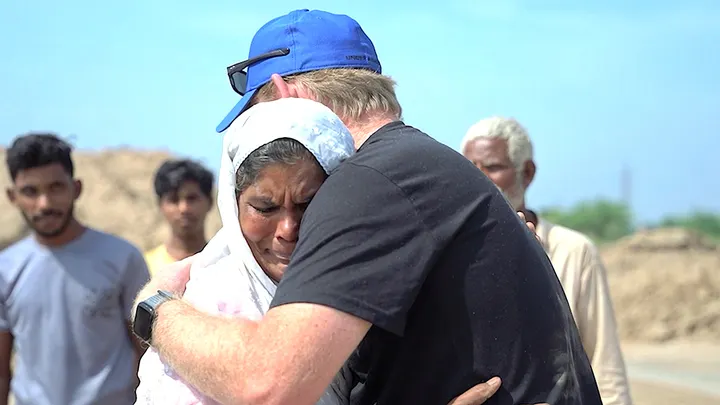
Within hours of arriving at the factory, Hutchings paid the outstanding debts of two Christian families and helped secure their freedom. He described the experience as breaking a burden that had weighed on those families for generations.
“There’s no question that God’s hand was in it,” Hutchings said, reflecting on the mission and the impact it had on those involved.
The issue extends far beyond a single factory. Emma Hall, a persecution researcher working with the Christian charity Open Doors U.K. and Ireland, told Fox News Digital that as many as one million Christians in Pakistan may be involved in slave or bonded labor. According to her estimates, that could represent nearly 30% of the country’s Christian population.
Pakistan’s 2023 census counted approximately 3.3 million Christians, representing about 1.37% of the nation’s total population. Advocacy groups have long raised concerns about discrimination, economic hardship, and labor exploitation affecting minority religious communities.
For many observers, stories like this highlight a human rights issue that receives relatively little international attention despite its scale. While headlines often focus on political disputes and global conflicts, countless families continue struggling under conditions that many critics describe as a form of modern slavery. Because in the twenty-first century, children should be building futures—not spending their lives paying off debts inherited from previous generations.
For the families who gained their freedom, the intervention represented more than financial relief. It offered a chance to start over, pursue new opportunities, and build a future beyond the cycle that had trapped their families for years. Their story serves as a reminder that individual acts of compassion can still have a profound impact, even in some of the world's most difficult circumstances.