California’s long-running rail ambitions are once again under scrutiny, as critics point to another expensive project that seems to deliver far less than promised — while costs continue to climb. Because in some places, apparently, budgets are just “suggestions.” ???
The state’s high-speed rail project, approved back in 2008 to connect Los Angeles and San Francisco, remains unfinished and increasingly scaled down despite a growing price tag. What was once pitched as a transformative transportation solution has yet to meet its original goals, becoming a symbol for critics of what they see as unchecked spending under progressive leadership.
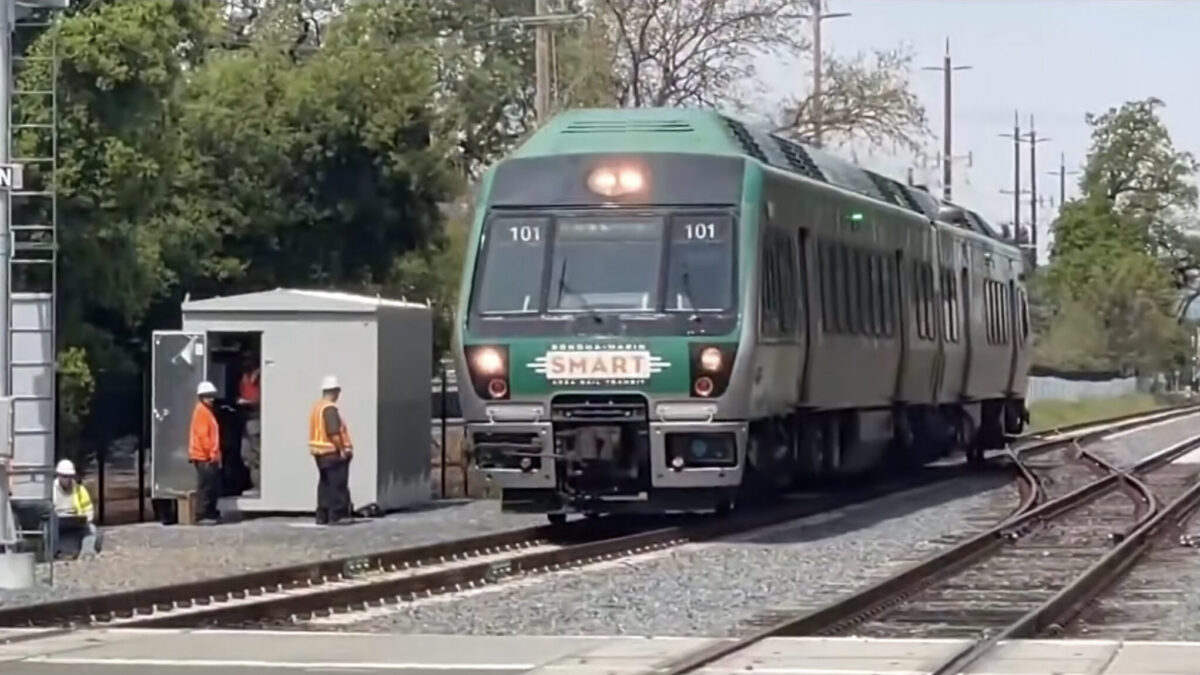
At the same time, another rail effort launched that same year is drawing attention: the Sonoma-Marin Area Rail Transit (SMART) system. Funded through a local sales tax increase along with state and federal support, the project aimed to connect suburban communities in Sonoma and Marin counties and reduce traffic congestion along Highway 101.
Today, parts of the system are operational, but the results have sparked debate. The region has a population of around 750,000 people, while the Highway 101 corridor sees approximately 1.5 million daily vehicle trips. In contrast, the SMART train averages fewer than 3,000 daily trips, with some estimates suggesting post-pandemic ridership may reach around 4,500 trips per day.
Even using the higher figure — and assuming every rider would otherwise be driving — the train removes only a tiny fraction of traffic from the freeway. Congestion levels remain largely unchanged, raising doubts about whether the project is achieving its stated goals.
Supporters argue the system still provides value and dispute criticism of its performance, while critics counter that the rail line connects suburban areas without directly linking major employment centers, limiting its usefulness for commuters.
The broader concern, according to critics, is that projects like these continue moving forward despite clear challenges, becoming difficult to scale back once significant funding has been committed. It’s a pattern that fuels ongoing debate about priorities, efficiency, and long-term planning.
Still, California’s experience offers a clear lesson for policymakers across the country: big ideas need practical execution, and investments should deliver real, measurable results for the people they’re meant to serve. With the right approach, there’s always an opportunity to refocus, improve outcomes, and ensure that infrastructure truly benefits everyday Americans. ??✨