After seven years of speculation, delays, and what many would call “coincidental timing,” newly declassified documents are shedding fresh light on the Ukraine impeachment saga — and the picture they paint is raising serious questions. ??
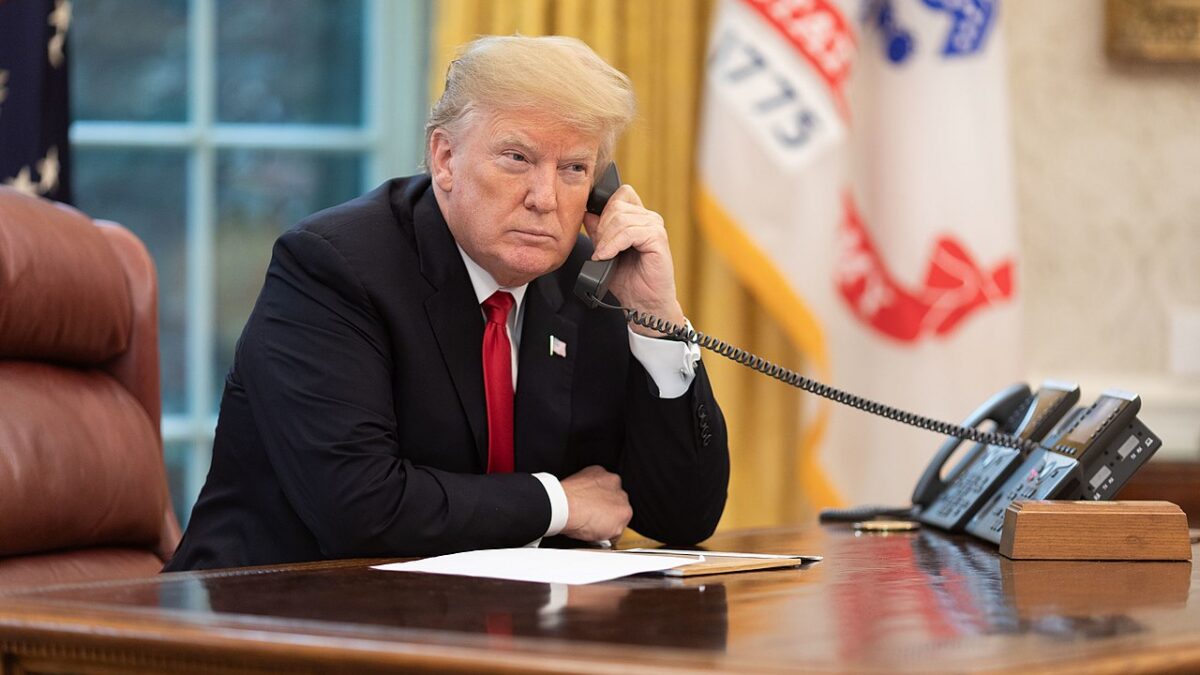
Released by the House Permanent Select Committee on Intelligence following declassification by Director of National Intelligence Tulsi Gabbard, the documents include previously unseen interview transcripts with Inspector General Michael Atkinson, along with related materials. Together, they outline what appears to be a coordinated effort to build a case against President Trump over his 2019 phone call with Ukrainian President Volodymyr Zelensky.
At the center of the controversy is a whistleblower complaint filed by Eric Ciaramella, an Obama-era National Security Council staffer. The complaint alleged that Trump attempted to interfere in the 2020 election by pressuring Ukraine to investigate then-candidate Joe Biden. But according to the newly released materials, that complaint was based on unverified, third-hand information — and was still allowed to move forward by Atkinson, who was expected to act as a neutral gatekeeper.
The timing is particularly striking. The July 25, 2019 call between Trump and Zelensky took place just one day after Special Counsel Robert Mueller’s congressional testimony, which effectively collapsed the Russia collusion narrative. For many observers, it now looks less like coincidence and more like a rapid pivot — because when one storyline falls apart, apparently another one has to step in. ?
What makes the situation even more notable is the contrast between the allegations and the official transcript of the call, which was publicly released by Trump in 2019. The transcript shows no clear evidence of election interference. Instead, it reflects a discussion that referenced publicly known information, including Joe Biden’s own remarks about leveraging U.S. loan guarantees to pressure Ukraine into removing a prosecutor who had been investigating Burisma, the company linked to his son, Hunter Biden.
Additional context later emerged from materials found on Hunter Biden’s abandoned laptop, including emails from Burisma leadership discussing the shutdown of the investigation as a necessary “deliverable” and requesting Hunter’s assistance shortly before actions were taken that aligned with those goals.
When viewed together, the documents suggest that Trump’s comments during the call were grounded in issues already in the public domain and could reasonably fall within the scope of legitimate diplomatic discussion — particularly given U.S. financial involvement and foreign policy interests in the region.
The newly released records don’t just revisit old headlines; they challenge the foundation of a major political moment. And for many, they reinforce a broader concern about how narratives can be built, amplified, and weaponized at the highest levels.
As more information comes to light, one thing is clear: transparency matters. And when the full story finally begins to emerge, it gives the American people something they deserve — the ability to judge the facts for themselves. ??✨