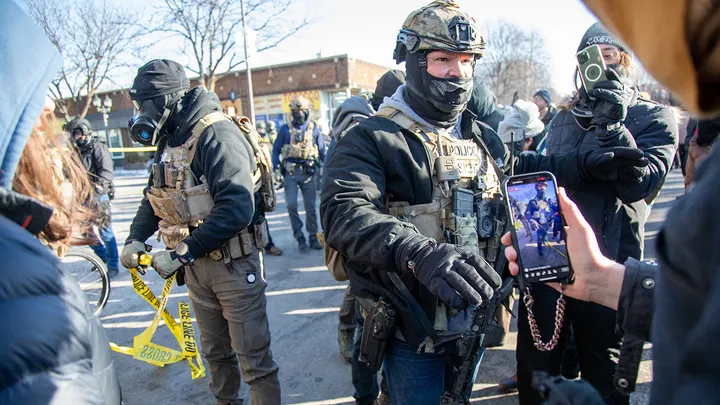
Anti-ICE protesters surrounding federal agents, Democratic leaders blasting enforcement operations, and rising tensions in Minneapolis might look dramatic on cable news, but legal experts say none of it crosses the constitutional line that would justify emergency federal powers by President Donald Trump. In other words, despite the noise, the system is still doing what it’s supposed to do — even if some people are trying very hard to make it look like a crisis.
Legal analysts explain that unrest alone does not interfere with the federal government’s authority to enforce immigration law. That breaking point would only come if state officials themselves actively blocked or materially obstructed federal agents, which would raise supremacy clause concerns. So far, that hasn’t happened in Minnesota.
George Mason University law professor Ilya Somin told Fox News Digital that agitators making enforcement more difficult, even aggressively, does not violate the Constitution.
“There is no general principle of law which says that anything that makes the work of federal agents more difficult in any way somehow violates the Constitution,” Somin said. Translation: yelling, filming, and blowing whistles may be annoying, but it’s not constitutional sabotage.
Protesters have confronted immigration officers during Operation Metro Surge, a federal effort that deployed about 3,000 ICE and Customs and Border Protection agents to Minneapolis and St. Paul. Demonstrators have surrounded agents with shouting and crowds, sometimes escalating into blockades or violence. It’s a mix of peaceful protest and organized agitation — with a little chaos thrown in for good measure.
Two legal principles are at play. The anti-commandeering doctrine prevents the federal government from forcing state and local officials to enforce federal law. At the same time, obstructing federal law enforcement is illegal and can violate the supremacy clause, which says federal law overrides state law when they conflict. If Minnesota passed laws blocking ICE from doing its job, that would be a constitutional problem. But, as Somin noted, that is not happening.
Operation Metro Surge began in December and has led to thousands of arrests. It has also fueled resistance and public outrage after two U.S. citizens died during encounters with immigration agents. The FBI is now investigating those incidents.
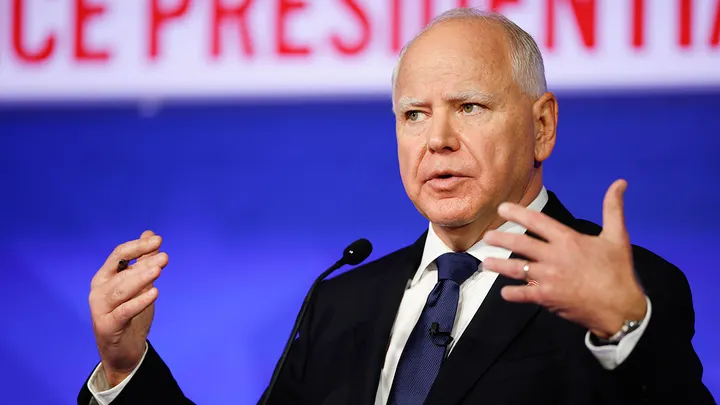
Democratic leaders have criticized the operation, with Republicans accusing them of inflaming tensions. Minnesota Gov. Tim Walz even compared ICE’s presence to the Civil War, saying it was like “Fort Sumter” and calling it an armed assault on citizens. Subtlety clearly wasn’t on the menu.
Somin rejected the idea that Minnesota’s leadership is engaging in “nullification.” He explained that nullification would require state officials to actively resist federal law. Simply refusing to help is protected by the Tenth Amendment’s anti-commandeering principle. Walz has welcomed a reduction in federal personnel and urged a faster drawdown, while Minneapolis Mayor Jacob Frey has said the city will not assist with immigration enforcement.
“We were never going to agree, and we have not agreed, to enforce federal immigration law. Why? It’s not our job,” Frey said.
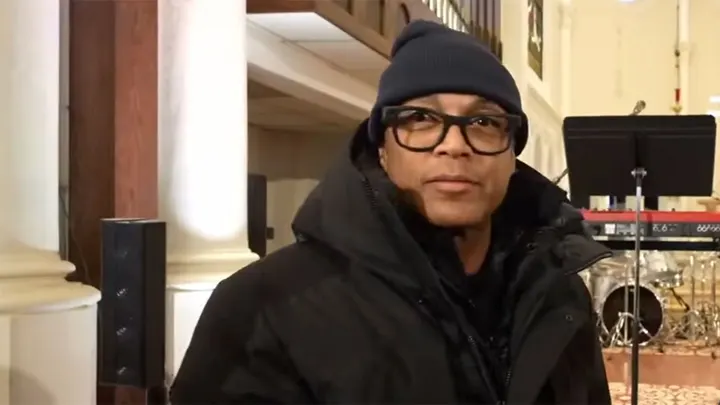
As state and local leaders stay hands-off, resistance has shifted to activists on the ground. Groups like Defend the 612 have organized “ICE watching,” using encrypted messaging apps to track agents’ movements and share information. Protests have also targeted sensitive locations, including a church service in St. Paul led by a pastor who is also an ICE field director. Several participants, including former CNN anchor Don Lemon, were arrested and charged under a federal statute typically used to protect abortion clinics and pregnancy counseling centers.
Federal authorities have arrested individuals accused of directly interfering with enforcement. Attorney General Pam Bondi announced charges against 16 agitators accused of obstructing agents and assaulting officers. The Justice Department also charged a Minneapolis man, a self-described Antifa member, with cyberstalking after he allegedly called for attacks on ICE and doxxed a pro-ICE individual.