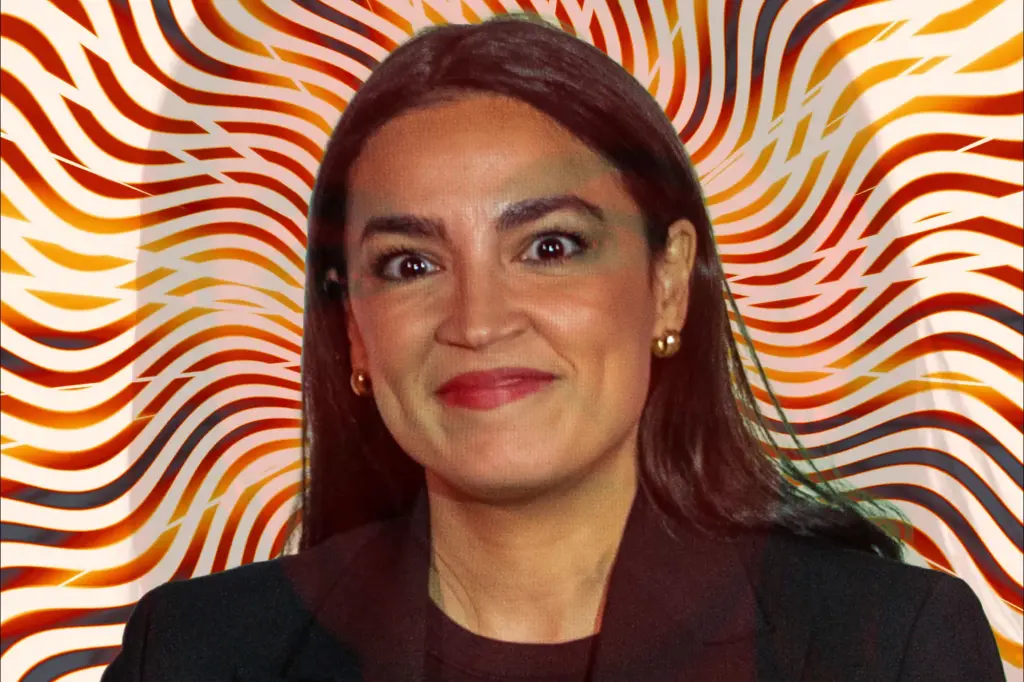
Rep. Alexandria Ocasio-Cortez is back in the spotlight—and not for legislation this time. New filings show the New York Democrat spent nearly $19,000 in campaign funds on a psychiatrist known for specializing in ketamine-based therapy. Because nothing says “campaign strategy” quite like experimental treatments, apparently.
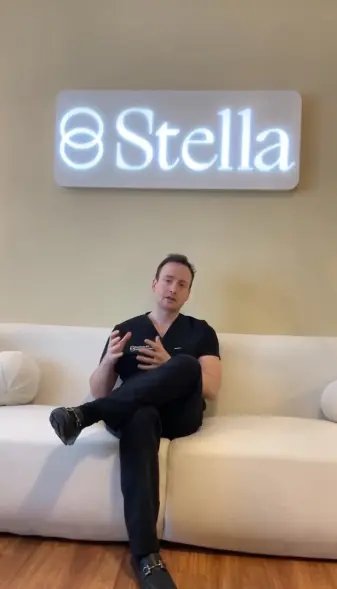
According to Federal Election Commission records, AOC’s campaign paid Boston-based Dr. Brian Boyle a total of $18,725 across multiple payments in 2025. The expenses were labeled as “leadership training and consulting,” though details about what those sessions actually involved—or who participated—remain unclear.
Boyle, a Harvard-trained psychiatrist and chief psychiatric officer at a mental health clinic chain, is known for promoting what he calls “novel” treatments, including ketamine therapy for conditions like depression, PTSD, and anxiety. He’s even described the work as “a ton of fun,” which is… one way to talk about powerful hallucinogenic treatments.
For context, ketamine—yes, the same substance often referred to as a horse tranquilizer—has gained attention in recent years as an alternative mental health treatment, particularly in elite circles. It’s also been linked to serious risks, with some medical professionals warning about potential side effects like psychosis if not properly managed.
AOC, for her part, has long supported expanding research into psychedelics. She has previously pushed legislation to make it easier to study substances like psilocybin and ecstasy for medical use, arguing that early findings show promise. After multiple failed attempts, a related bill she co-sponsored was eventually signed into law in 2023.
Still, critics are questioning whether campaign funds should be used in this way at all.
Paul Kamenar, counsel for the National Legal and Policy Center, didn’t mince words, suggesting the spending could violate federal campaign finance laws if it’s determined to be for personal use. He also pointed out that Dr. Boyle doesn’t have a background in political consulting or campaign leadership—raising further doubts about the “leadership training” label.
And that’s really where the controversy lies.

While AOC has been open about her own mental health challenges—discussing therapy following the January 6 events and the stress of her early campaigns—critics argue that transparency doesn’t necessarily justify how campaign money is spent.
At the same time, supporters of alternative therapies continue to highlight their potential benefits, especially for treatment-resistant conditions. But even within the medical community, there’s ongoing debate about how these treatments should be used—and under what circumstances.
The bottom line? Questions remain about both the appropriateness and the optics of the spending. And when it comes to campaign funds, those questions tend to matter—a lot.
The upside is that scrutiny like this keeps the system accountable. And in the long run, that kind of transparency is exactly what voters deserve.