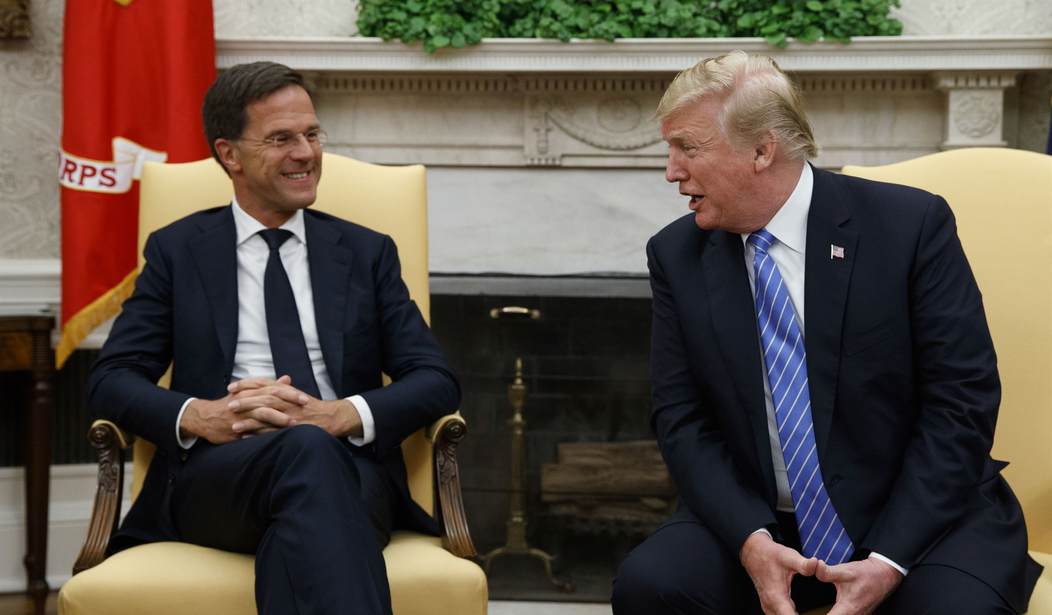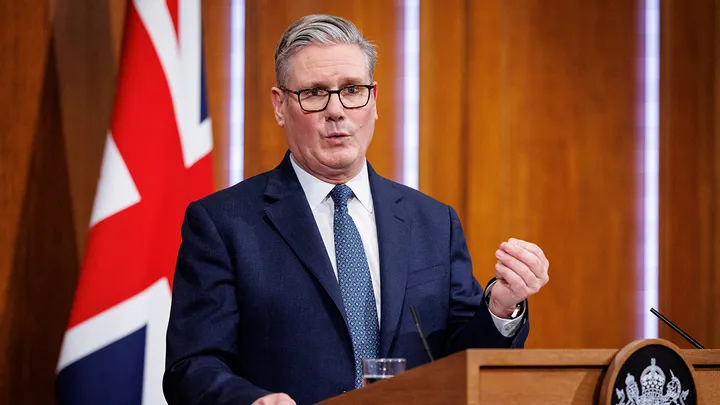
President Donald Trump and British Prime Minister Keir Starmer are finding some rare common ground—and not a moment too soon. As tensions in the Middle East continue to escalate, both leaders agreed on one critical priority: the Strait of Hormuz must reopen.
During a call on Sunday, Trump and Starmer focused on the urgent need to restore global shipping through the vital waterway, which carries roughly 20% of the world’s oil supply. In other words, this isn’t just a regional issue—it’s a global one.
According to a statement from Downing Street, both leaders emphasized that reopening the strait is essential to stabilizing energy markets and preventing further economic disruption. They also agreed to stay in close contact as the situation develops.
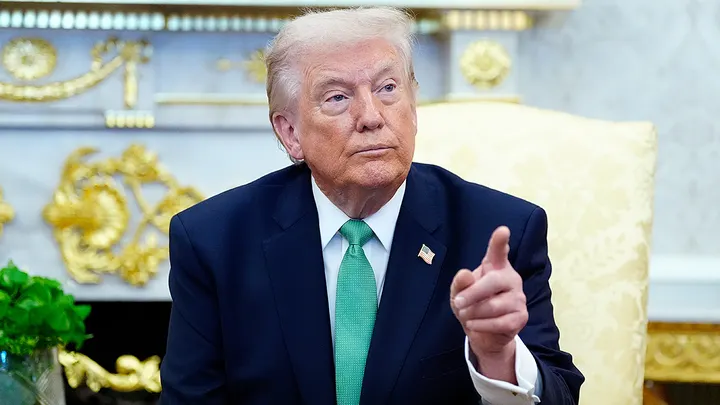
This comes as the conflict, now intensifying by the day, continues to expand. Iran has effectively blocked the Strait of Hormuz since late February, following coordinated U.S. and Israeli strikes on Iranian targets. Tehran’s response has included missile attacks on multiple neighboring countries, widening the scope of the crisis.
Earlier, Trump issued a 48-hour ultimatum demanding the strait be reopened, warning that failure to comply could lead to further U.S. action, including potential strikes on Iran’s energy infrastructure. Clear, direct, and—unlike the usual diplomatic double-speak—hard to ignore.
What makes this development particularly interesting is the shift in tone between Trump and Starmer.
Not long ago, Trump openly criticized the U.K. government for what he saw as hesitation, saying Britain should have acted faster in supporting U.S. operations, including allowing the use of military bases. Starmer, for his part, had taken a more cautious stance, insisting that any involvement needed to fall under “collective self-defense.”
Translation: a lot of back-and-forth, not much action.
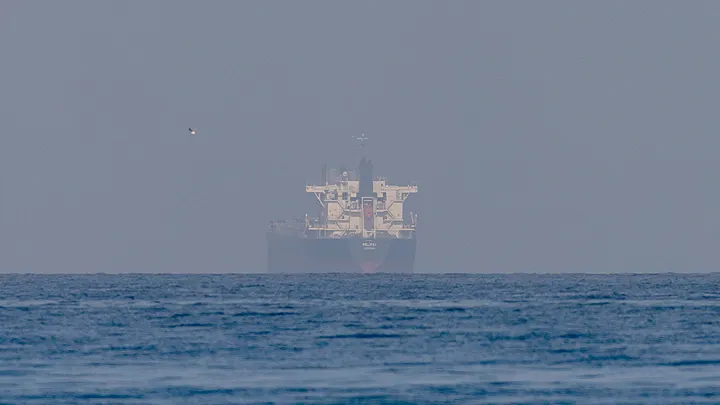
But now, with global energy stability on the line, both leaders appear to be aligning—because when 20% of the world’s oil supply is at stake, hesitation tends to go out the window.
The bottom line? The situation remains serious, but coordination between major allies is a step in the right direction. Strong leadership and clear priorities are starting to take shape, and that matters—not just for the region, but for the entire world.
Because when global trade and energy security are on the line, getting everyone on the same page isn’t just helpful—it’s essential.