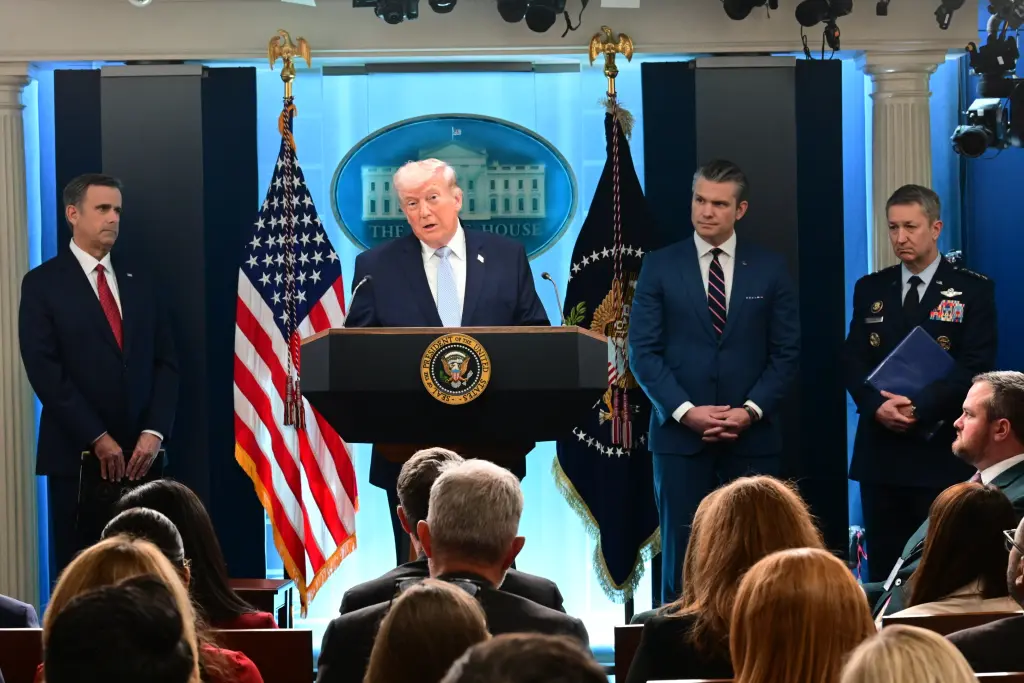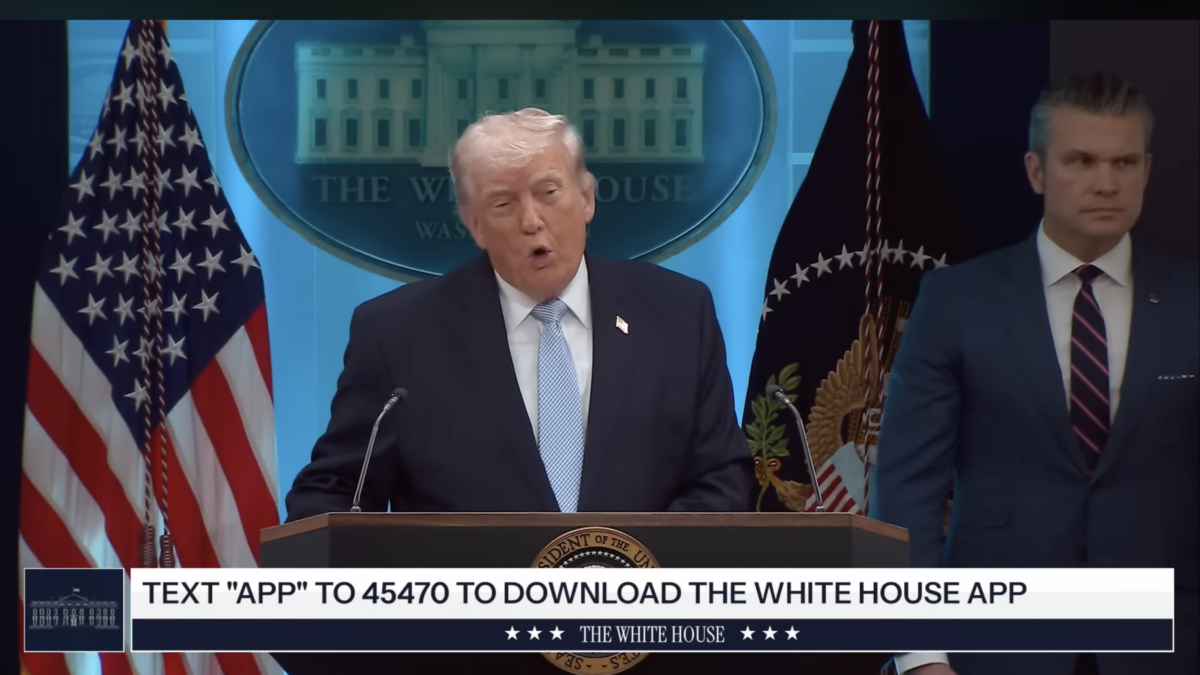
While the headlines were busy panicking over President Donald Trump’s warnings, something very different was happening behind the scenes—and it turns out, pressure works.
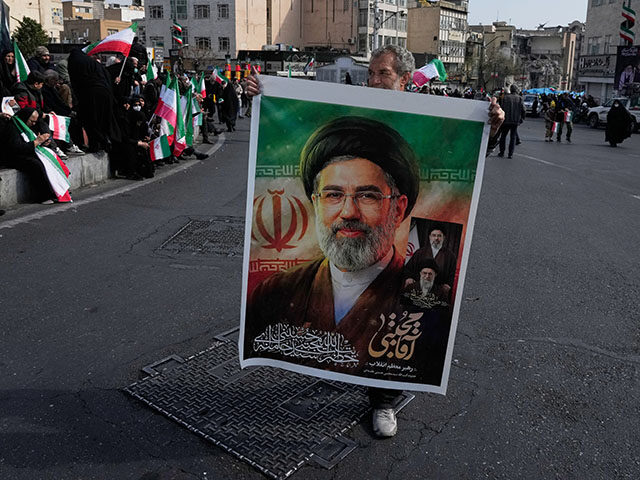
According to reports, Iran’s sudden move toward a ceasefire with the United States came down to a dramatic, last-minute decision from Mojtaba Khamenei, the country’s behind-the-curtain power figure and reported new supreme leader. Sources say that until the final hours, nothing was moving—until he stepped in and gave negotiators the green light.
Translation? No approval, no deal.
U.S. and Israeli officials reportedly learned that Khamenei had finally authorized progress just as Trump’s deadline loomed. And this wasn’t just any deadline—the president had made it clear that failure to act could lead to a much broader U.S. military response. You know, the kind that gets everyone’s attention real fast.
In fact, the final stretch of negotiations was anything but calm. Trump publicly warned that “a whole civilization will die tonight,” setting the tone, while behind the scenes, U.S. forces and Pentagon officials were actively preparing for a massive bombing campaign targeting Iranian infrastructure. Not exactly a bluff you ignore.
At the same time, diplomacy was moving at full speed. Talks were described as chaotic, with Pakistani intermediaries shuttling proposals between U.S. envoy Steve Witkoff—who reportedly called Iran’s initial proposal “a disaster”—and Iranian Foreign Minister Abbas Araghchi. Egypt and Turkey also jumped in, trying to close the remaining gaps.
By Monday night, the U.S. had signed off on an updated plan for a two-week ceasefire. But the final call still rested with Khamenei, who was reportedly deeply involved in those final hours—despite operating under extreme secrecy and even alleged assassination threats.
According to sources, communication on Iran’s side was so sensitive that Khamenei relied on handwritten notes passed through intermediaries. Not exactly your standard diplomatic channel—but then again, this wasn’t a standard situation.
Araghchi also played a key role, pushing both negotiators and Iran’s Revolutionary Guard commanders toward accepting the deal. Meanwhile, China was urging Tehran to take an off-ramp—because even they could see where things were heading.
By Tuesday midday, it became clear that both sides were closing in on an agreement. Pakistan’s Prime Minister Shehbaz Sharif later shared the terms publicly, calling for both nations to move forward.
And just before the clock ran out, Trump made the call—agreeing to suspend attacks for two weeks as part of a mutual ceasefire tied to reopening the Strait of Hormuz. U.S. forces were given stand-down orders within minutes.
So after all the noise, all the panic, and all the predictions of chaos, here’s what actually happened: firm deadlines, real pressure, and a deal that materialized when it mattered most.
Funny how that works.
At the end of the day, it wasn’t endless negotiations or vague promises that got results—it was strength, clarity, and leadership that made the difference.