The façade of Communist China's unstoppable economic might is crumbling, exposing a stark reality where even its military, elite universities, and vaunted tech giants are forced into desperate austerity. This isn't just a blip; it's a systemic unraveling that threatens the very foundations of the regime's power.
From soldiers reusing battered briefcases to university departments cutting basic amenities and tech behemoths skimping on toilet paper, the signs of a deep, spreading financial crisis are unmistakable. The iron grip of Beijing's central planners can no longer conceal the profound economic pressures gripping both public and private sectors.
U.S.-based China current affairs commentator Tang Jingyuan didn't mince words, telling The Epoch Times that these severe measures reflect a perilous combination of mounting fiscal pressures and rapidly weakening domestic consumption. His stark warning: further economic deterioration could plunge the communist nation into an even deeper abyss.
The People's Liberation Army (PLA), long perceived as a beneficiary of seemingly limitless state funding, is now facing unprecedented belt-tightening. The official CCP military newspaper, PLA Daily, recently revealed the humiliating reality: an Air Force unit has ceased issuing new briefcases to personnel, instead demanding used ones be returned, cleaned, and reissued.
This isn't an isolated incident. Another report detailed a People's Armed Police unit in Henan Province resorting to repairing old equipment and scrounging for discarded components, even screws, to cut costs. Such measures, as Tang Jingyuan pointed out, are a clear indicator that the regime's economic woes have seeped into its military, a sector once thought immune to financial distress, partly due to rampant corruption among its officials.
China's prestigious universities, once symbols of the nation's aspirations, are also feeling the crunch. Peking University, a flagship institution, implemented new rules in September, banning meetings at 21 popular tourist destinations and strictly curbing "publicly funded travel" disguised as training programs.
Beijing Forestry University followed suit, prohibiting common amenities like flowers, decorative backdrops, fruit, and commemorative gifts at meetings, while mandating that most conferences and training sessions be held on campus. The financial squeeze is so severe that a mathematics lecturer in Guangdong Province, speaking anonymously to The Epoch Times for fear of reprisal, confirmed university funding has "declined sharply since 2020," adding, "government finances are now very tight."
This isn't just about higher education. An insider in Linyi, Shandong Province, revealed that local government expenditures have plummeted since 2022, with some non-permanent employees enduring nearly a year without wages and crucial infrastructure maintenance delayed. The regime's "socialism with Chinese characteristics" is apparently running on empty.
Even the supposed paragons of China's innovation, its major tech companies, are no longer immune. A finance blogger on Chinese online news portal Tencent exposed ByteDance, TikTok's parent company, replacing its premium 8,000 yuan ($1,200) office chairs with models costing a mere 2,549 yuan ($383). Worse, the company skipped Lunar New Year cash bonuses.
A ByteDance employee, Xu, confirmed to The Epoch Times the severe rollback of perks, stating, "The chairs have been replaced with cheaper ones. The bonuses haven’t been distributed for several years, and New Year gift boxes and other holiday benefits are gone too." Another employee, Fang, revealed the ultimate indignity: "Since the company started tightening its budget, even the toilet paper in the bathrooms has become thinner."
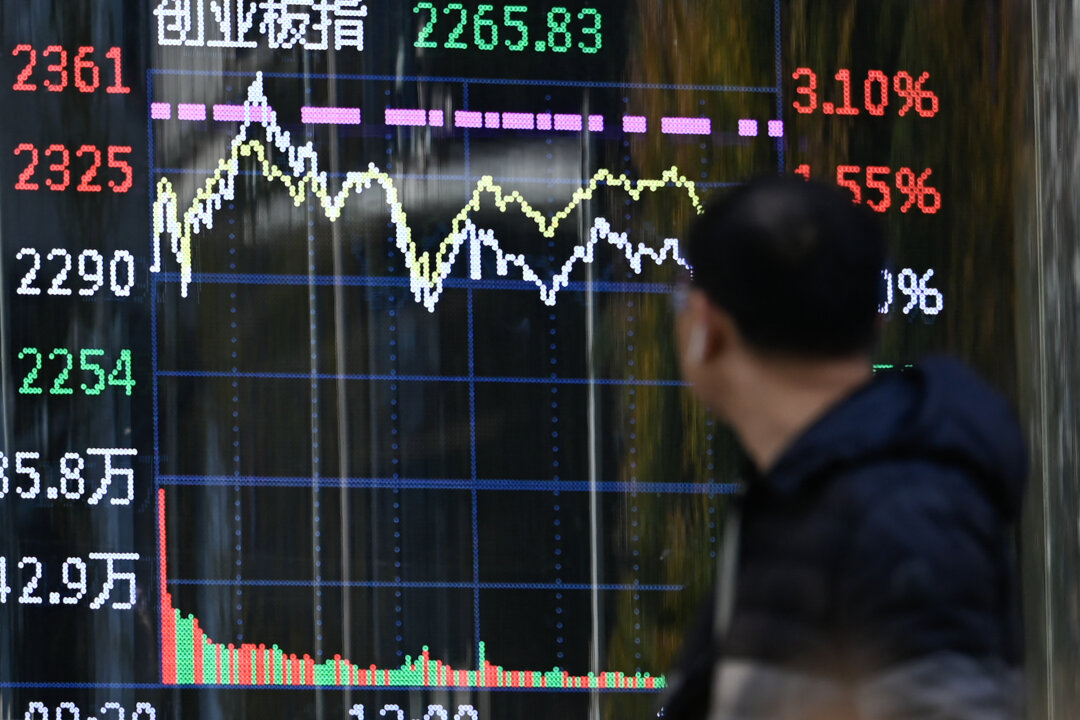
These widespread spending cuts expose the gaping wounds inflicted by China's prolonged property market downturn, which continues to hemorrhage local government finances. Fitch Ratings has painted a grim picture, forecasting the regime's government debt to soar to 75 percent of GDP by 2026, with a fiscal deficit hitting 7.3 percent. Weak revenue, especially at the local level, is a choking constraint.
Tang Jingyuan stressed that the property crisis has decimated government finances, leading Beijing to ramp up tax collection with unprecedented aggression, even chasing down previously undeclared liabilities. His chilling assessment: China’s economic downturn "has not yet reached its bottom."
"The CCP, the government, the military, and major companies are all beginning to live on tight budgets. This is a sign of a severe downgrade in consumption," Tang warned. He further elaborated on the dangerous ripple effect: weakened domestic consumption will push China into an even greater reliance on exports, exacerbating trade imbalances.
If the United States and European nations, in a clear defense of their own industries and national security, were to impose additional tariffs on Chinese goods, the resulting excess production capacity would inevitably flood the domestic market. This, Tang predicted, would deepen deflationary pressures, potentially igniting a catastrophic social and economic crisis that could shake the communist regime to its core. The world watches as Beijing's grand economic experiment appears to be failing, a stark reminder of the inherent flaws in centralized control and the urgent need for a strong America to counter its rising instability.