
While the Chinese Communist Party (CCP) projects an image of unstoppable economic might, the cold, hard numbers tell a different story – one of deep-seated distrust and a chilling lack of confidence among its own citizens and private businesses. New data reveals that the very engines of a healthy economy are not just slowing down; they are actively retreating, leaving Beijing as the sole gambler in a high-stakes game of economic manipulation.
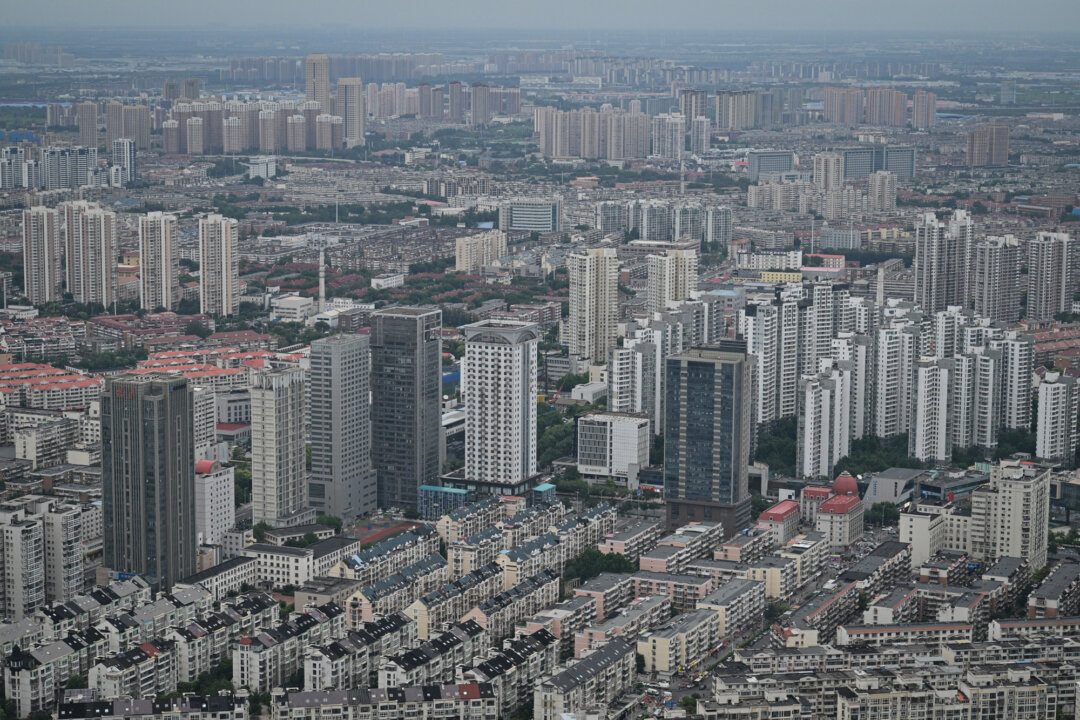
In a move that would be unthinkable in a truly thriving, free-market system, private businesses and ordinary Chinese households are not borrowing to invest or expand. Instead, they are aggressively paying down existing debts, signaling a profound lack of faith in their economic future. This isn't just a minor blip; households have been shedding debt since mid-2024, with mortgage debt dropping for an astonishing thirteenth consecutive quarter. Private businesses follow suit, with 60 percent of listed firms reducing their relative debt loads.
This unprecedented deleveraging by the private sector has actually caused China's overall debt-based leverage to decline. According to Beijing's own National Institution for Finance and Development, it fell 1.1 percentage points this past spring, settling at 308.2 percent of the country's GDP. While the West grapples with its own debt crises, China's situation is a twisted mirror: a decline in debt that reveals not strength, but a terrifying absence of organic economic vitality.
The stark contrast comes from Beijing and its labyrinthine network of local governments. They are the only entities expanding their financial footprint, pouring funds into narrow, state-favored areas. These are not investments driven by market opportunity or consumer demand, but rather by the CCP's political calculus, often channeled into projects under the "Made in China 2025" program. It's an economy twisted not by innovation, but by central command.
Why this widespread retreat from risk? The reasons are brutally simple for the average Chinese citizen: their living costs have outstripped their incomes, job security has vanished, and a collapsing property market has decimated real estate values and, with them, household net worth. When the promise of a better tomorrow is replaced by the reality of a shrinking present, borrowing for a "dream home" or business expansion becomes a fool's errand.
What these debt patterns unequivocally show is an economy becoming increasingly distorted, serving the narrow, high-tech ambitions of Beijing while the broader private sector—the very backbone of any truly dynamic nation—is left to languish. To their credit, Beijing authorities have made token efforts in the past to "address these imbalances." Yet, as this latest financial data brutally clarifies, those efforts have catastrophically failed.
The Politburo, the ultimate decision-makers in the Chinese Communist Party, shows no sign of course correction. They remain stubbornly committed to an economic model that prioritizes state control and political objectives over the prosperity and confidence of its own people. This isn't just an economic imbalance; it's a profound warning about the inherent instability of authoritarian command economies and a stark reminder of what happens when central planners believe they know better than the free market and the common citizen.