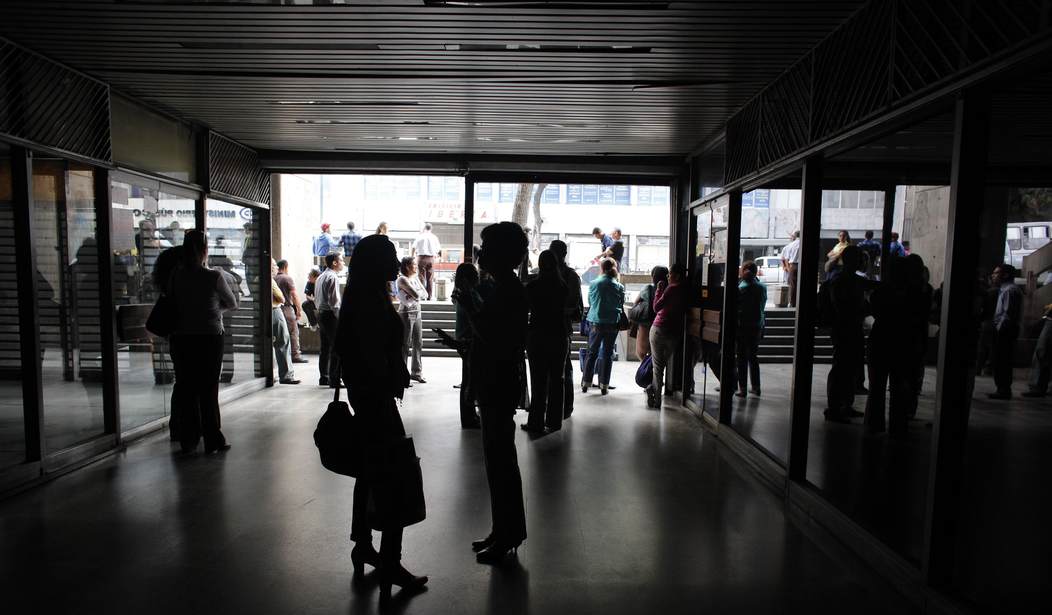
Americans have become all too familiar with leftist violence at home, but Europe is getting a harsh reminder that this brand of chaos knows no borders. In Berlin, Germany, thousands of residents have been left without power for days after a far-left, so-called “pro-environmental” group carried out a deliberate attack on the city’s electrical grid—right as brutal freezing temperatures settled over the region. Timing, as always, was apparently not their concern.
A radical group calling itself Vulkan has claimed responsibility for the sabotage. According to Berlin Zeitung, the group published a 4,163-word manifesto proudly admitting to the attack, saying they targeted affluent neighborhoods in order to “cut the juice to the ruling class.” Nothing says compassion for humanity like leaving people without heat in sub-zero weather.
The attack involved arson at a cable transom crossing a canal—an essential link connecting one of Berlin’s largest power plants to residents. The result: a widespread blackout that has now stretched into its third full day, leaving tens of thousands without electricity, heat, cellphone service, or warm food and drinks. Businesses shut down, schools closed, trains stopped running, and even hospitals and nursing homes were affected. Authorities were forced to open warming shelters so residents could avoid freezing and recharge phones—assuming their phones still worked.
As Berliners dealt with the fallout, concerns quickly shifted from inconvenience to national security. One resident noted that countries like Russia would be watching closely to identify critical vulnerabilities. Not exactly reassuring, especially given Germany’s history and current geopolitical tensions.
Responsibility for the attack was openly claimed by the Vulkan group, which German authorities describe as part of the violence-oriented anarchist spectrum of the left-wing extremist scene. While not formally linked to Antifa, the ideological overlap is hard to miss. Same playbook, different city.
Reports indicate the saboteurs torched a cable bridge carrying five main power lines and even planted explosives underneath. As the fourth anniversary of Russia’s invasion of Ukraine approaches, German officials have warned that the country has become a target for sabotage. The seriousness of the incident was underscored when federal prosecutors were called in to take over the case.
Power is slowly being restored, but officials say full resolution isn’t expected until Thursday. In the meantime, the blackout has reignited debate over Germany’s infrastructure security and its vulnerability to extremist attacks.
The message from the radical left couldn’t be clearer. In the name of environmental extremism and ideological purity, they’re willing to plunge cities into darkness, endanger lives, and drag society backward by a century. They keep telling the world who they are—and what they’re willing to do.
The good news? Attacks like this expose the true nature of these movements and strengthen the resolve of civilized societies to protect infrastructure, enforce the law, and defend ordinary people from extremist chaos. Light, accountability, and order have a way of returning—no matter how hard radicals try to snuff them out.