A classified U.S. intelligence assessment concluded that senior figures within Nicolás Maduro’s regime would be best positioned to preserve short-term stability in Venezuela immediately after the dictator’s removal, according to a report by The Wall Street Journal. The analysis, prepared by the CIA and briefed directly to President Donald Trump and a small circle of top officials, played a key role in Trump’s decision to back Vice President Delcy Rodríguez rather than opposition leader María Corina Machado as an interim leader.
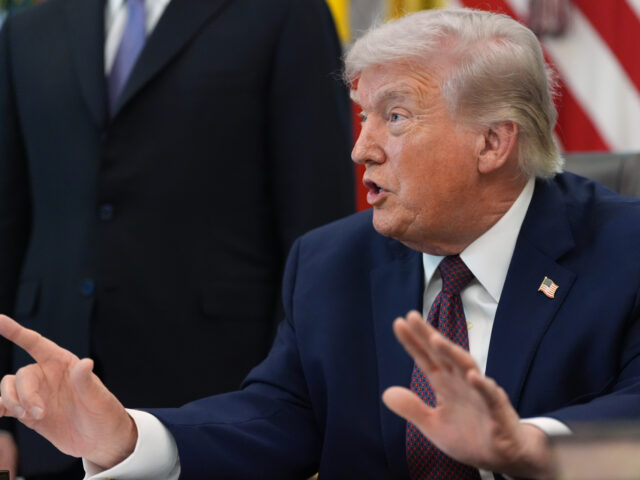
President Trump made his reasoning clear following the capture of Maduro, who now faces federal narco-terrorism charges in New York. Speaking at a Saturday press conference, Trump said Machado would struggle to lead without sufficient respect or support inside Venezuela. It was a blunt assessment—but realism has never been confused with politeness in Trump’s foreign policy.
According to people familiar with the intelligence review cited by the outlet, Trump concluded that Venezuela’s immediate stability would depend on whether the next leader could maintain the loyalty of the military and ruling elites. In other words, order first, politics later—a concept often lost in Washington but apparently not in the Oval Office.
Senior administration officials had commissioned the CIA assessment to examine “day-after” scenarios amid internal debates about governance should Maduro be removed. While the report did not recommend regime change or speculate on how Maduro might fall, it focused on who could prevent chaos if that moment arrived. The CIA reportedly identified Rodríguez and two other senior regime figures as potential interim leaders capable of keeping the country from collapsing overnight.
Former U.S. and Venezuelan officials told the Journal that Interior Minister Diosdado Cabello and Defense Minister Vladimir Padrino remain the most powerful figures in the regime. Both, however, face U.S. criminal charges similar to Maduro’s and are widely viewed as openly hostile to Washington—hardly ideal partners for stabilization.
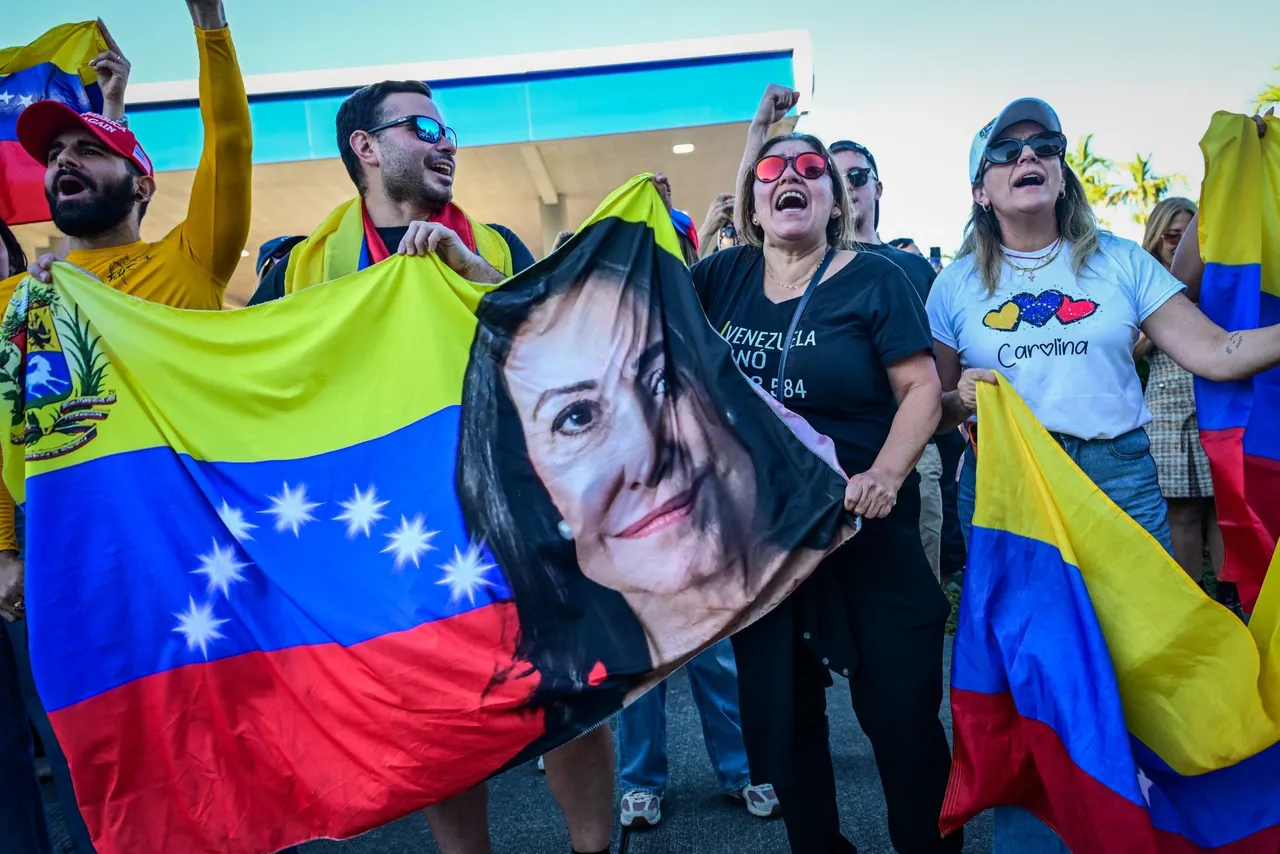
By contrast, the assessment reportedly found that Machado and Edmundo González, widely regarded as the true winner of Venezuela’s 2024 election, would face stiff resistance from pro-regime security forces, drug-trafficking networks, and political rivals. The New York Times also reported on the CIA analysis, reinforcing the conclusion that opposition leadership, however popular abroad, lacked the muscle to govern immediately.
Despite not being selected, Machado praised President Trump during a Monday interview with Fox News, even offering him the Nobel Peace Prize she received in October, calling it “the prize of the Venezuelan people.” She also said she plans to return to Venezuela as soon as possible, while sharply criticizing Rodríguez, who was sworn in as interim president early Monday.
Trump, meanwhile, dismissed the idea of rushed elections, arguing the country must be stabilized first. “We have to fix the country first,” he told NBC News. “You can’t have an election… We have to nurse the country back to health.” It was a comment rooted less in ideology and more in practical governance—again.
Polling following Maduro’s arrest shows strong support for the operation inside Venezuela, though some concerns remain about long-term U.S. involvement. On the American right, there was relief that the U.S. did not immediately dismantle the entire government in favor of the opposition, avoiding a familiar recipe for prolonged instability.
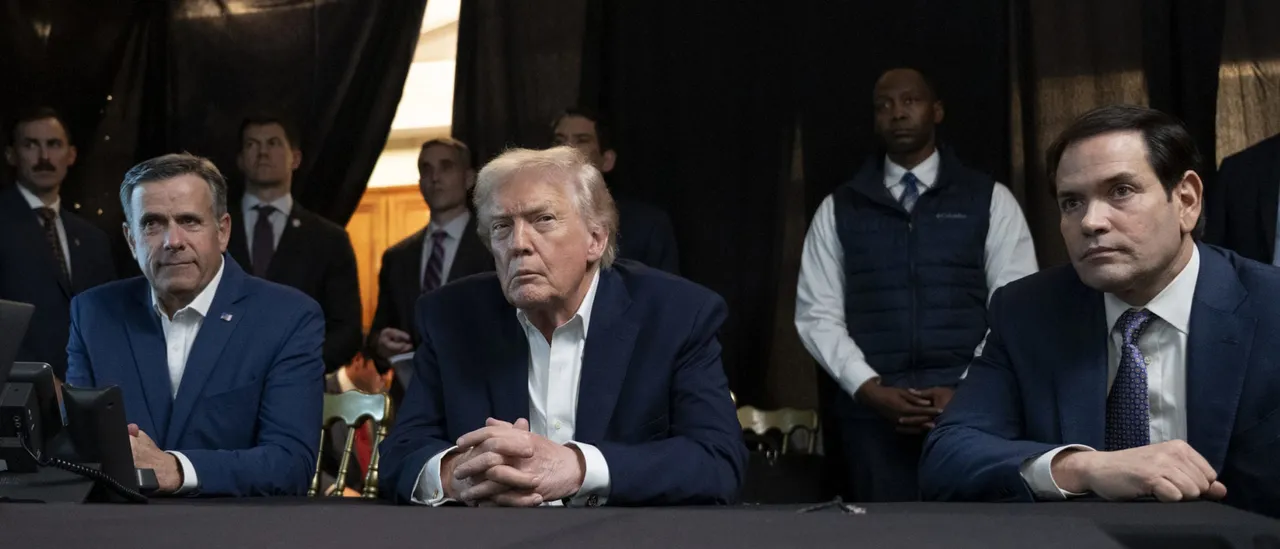
Maduro pleaded not guilty in federal court in New York on Monday. Secretary of State Marco Rubio and Department of War Secretary Pete Hegseth briefed lawmakers shortly after, with Rubio suggesting pressure on Rodríguez could include intercepting sanctioned oil shipments. Trump himself emphasized the need for full access to Venezuela’s oil sector, pledging that major U.S. oil companies would invest billions to repair broken infrastructure and revive production.
White House Press Secretary Karoline Leavitt summed up the administration’s approach, stating that President Trump and his national security team are making “realistic decisions” to ensure Venezuela aligns with U.S. interests and becomes a better country for its people.
It’s a strategy rooted in intelligence, leverage, and hard-earned lessons—not wishful thinking. And in a region long plagued by chaos after poorly planned interventions, realism may be the most hopeful path forward.