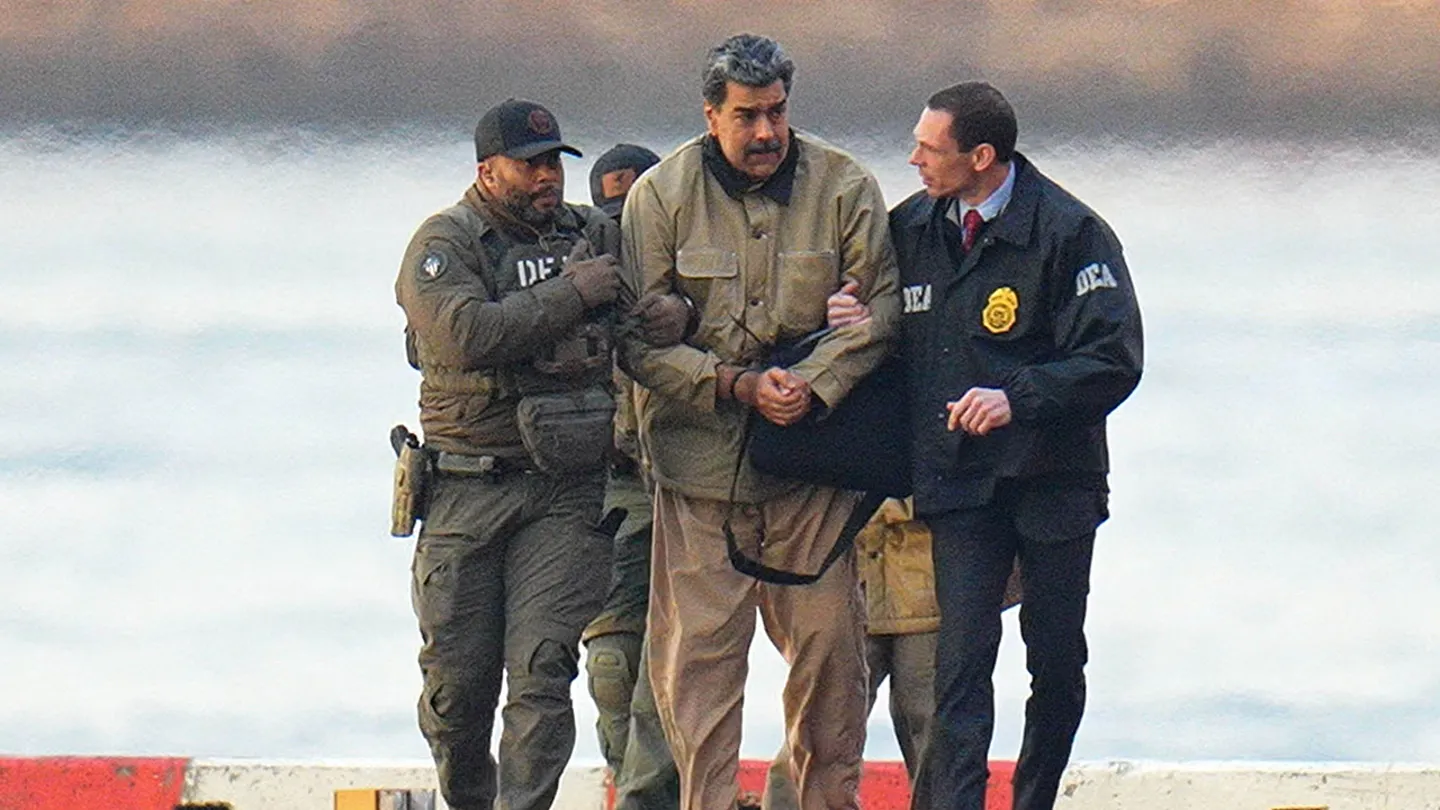
After Nicolás Maduro was removed from power by the United States, many in Washington assumed the next step would be automatic support for Venezuela’s most visible opposition figure. That’s not how President Donald Trump operates—and that’s the point.
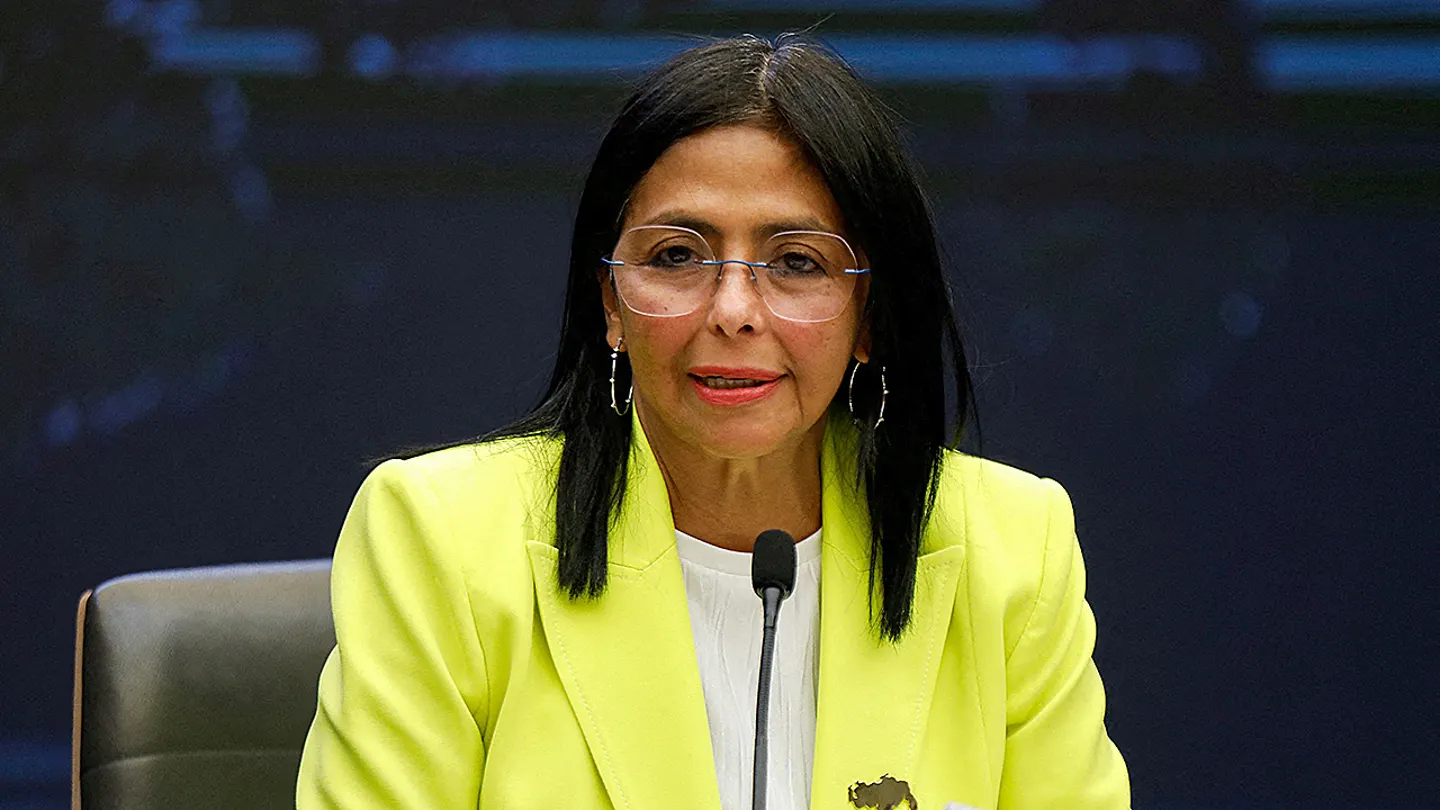
Instead of rallying behind María Corina Machado, the Trump administration moved to engage Delcy Rodríguez, a longtime Maduro loyalist and vice president of the outgoing regime. The decision signaled a transition strategy focused less on international applause lines and more on preventing chaos on the ground. Stability first, slogans later.
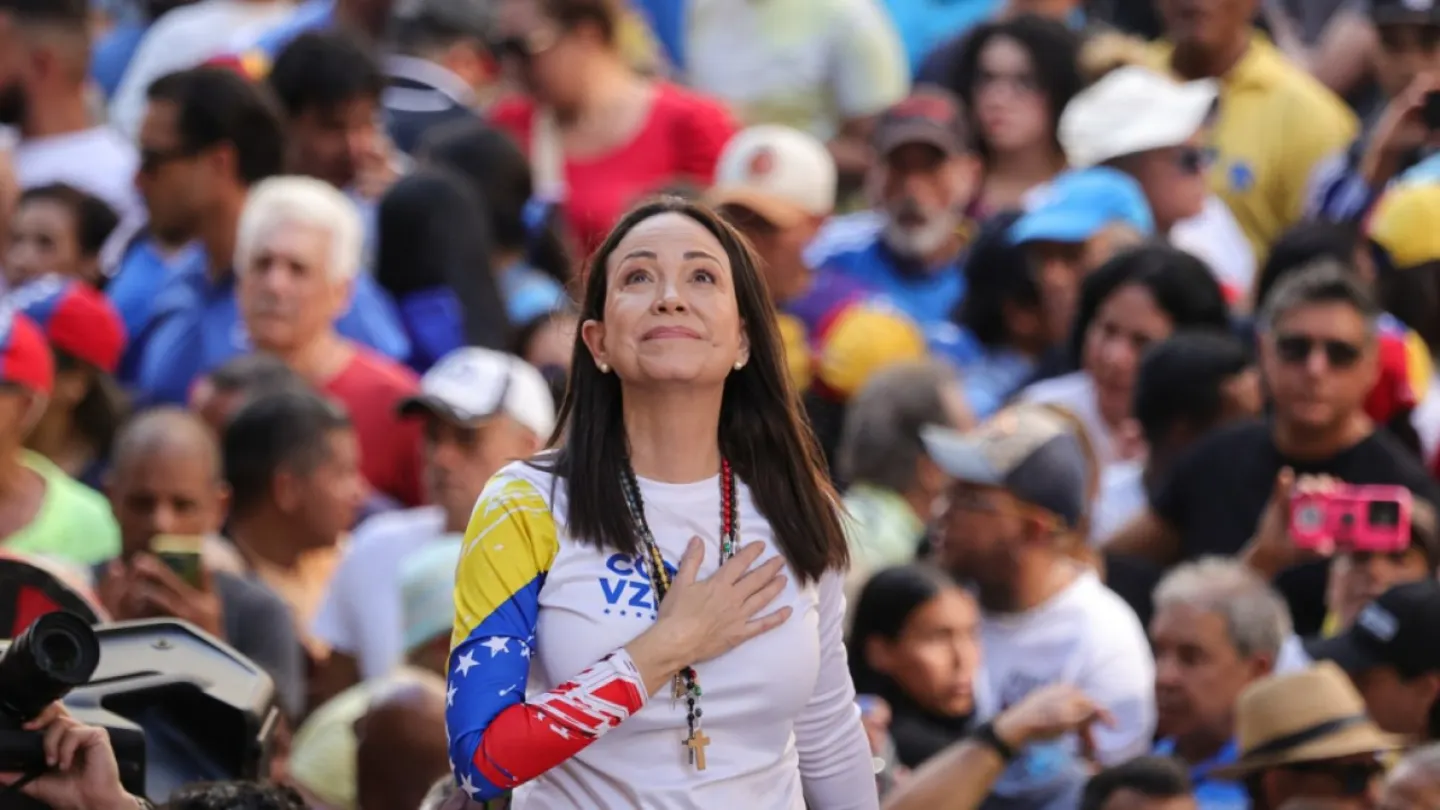
Administration officials and outside analysts say the move reflects a calculated effort to avoid a power vacuum during a fragile transition. Machado, despite her strong international profile and backing from Western governments, was sidelined amid concerns that she lacked real leverage inside Venezuela—particularly with the military and security services. As it turns out, governing a country requires more than Twitter support and overseas praise.
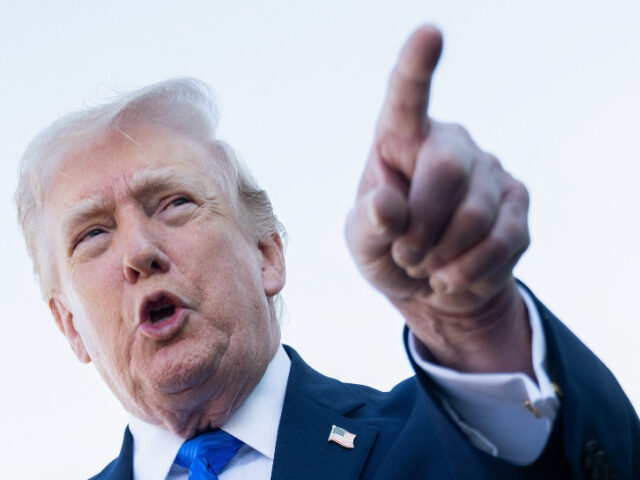
President Trump has been blunt about his reasoning. After speaking with Rodríguez, he said she told him, “We’ll do whatever you need,” adding that she was “quite gracious.” At the same time, Trump made clear the limits of that grace, warning that if she fails to do what’s right, she would “pay a very big price, probably bigger than Maduro.” Diplomatic clarity, Trump-style.
Following Maduro’s removal, Rodríguez was sworn in as Venezuela’s interim president after the Supreme Court ruled she should assume power in his absence. Under Venezuela’s constitution, the vice president can serve on an interim basis while the country determines whether and when elections will be held. Authorities have described Maduro’s removal as temporary, allowing Rodríguez to remain in office while the transition timeline is debated.
A classified CIA intelligence assessment, requested by senior Trump administration policymakers and presented to the president, examined who would be best positioned to lead a temporary government and maintain short-term stability in Caracas. According to a source familiar with the intelligence, the assessment aimed to provide “comprehensive and objective analysis” of post-Maduro scenarios, without advocating for how he might lose power.
The report concluded that Rodríguez was best positioned to stabilize the country immediately, while Machado and Edmundo González would struggle to gain support from Venezuela’s security services. One key factor cited was Machado’s absence from the country, despite her pledge to return. Support from abroad, officials noted, has not translated into control at home.
Trump’s skepticism has also been shaped by frustration from his first term, when international backing and opposition momentum failed to produce a transfer of power. As Venezuela expert Pedro Garmendia put it, Machado “doesn’t control troops or hold any sort of power in Venezuela.” Rodríguez, while an ideologue, at least operates within the existing power structure—something that matters in a transition, even if it makes idealists uncomfortable.
Trump himself questioned Machado’s ability to lead, saying it would be “very tough for her to be the leader” because she lacks support and respect within the country. While some reports suggested personal grievances, the White House pushed back, emphasizing that Trump’s decisions followed internal briefings and strategic assessments.
White House press secretary Karoline Leavitt underscored that point, stating that the president and his national security team are making “realistic decisions” to ensure Venezuela aligns with U.S. interests and becomes a better country for its people. Senator Marco Rubio echoed that view, framing the choice as mission-driven and warning against repeating the mistakes of past interventions elsewhere.
Analysts also cautioned that immediately installing an opposition leader after a U.S. military operation could inflame suspicions and spark civil unrest. As former FBI counterintelligence operative Eric O’Neill noted, Venezuelans need to elect their next president themselves—anything else would look like outside imposition.
Even critics acknowledge Rodríguez’s weaknesses, describing her as lacking charisma and broad public appeal. But for the Trump administration, the priority is clear: prevent disorder, maintain leverage, and manage a transition without blowing the country apart.
In classic Trump fashion, the strategy may not satisfy everyone—but it reflects a hard-nosed focus on results, stability, and American interests, with the door still open for Venezuelans to ultimately choose their own future.